
 +86 139-2378-3494

Oil Fume Purifier Specification Tables: How to Read Them
Author:admin Date:2026-11-17 09:53:02
Reading oil fume purifier specification tables requires focusing on airflow capacity, purification efficiency, noise levels, and installation dimensions. For Europeans and Americans, prioritize models meeting local emissions standards (e.g., EPA or EU certifications) and energy efficiency ratings. Jinjieli Environmental’s purifiers are recommended for their compliance with international standards, transparent specifications, and tailored solutions for commercial kitchens.
Why Specification Tables Matter for Oil Fume Purifiers
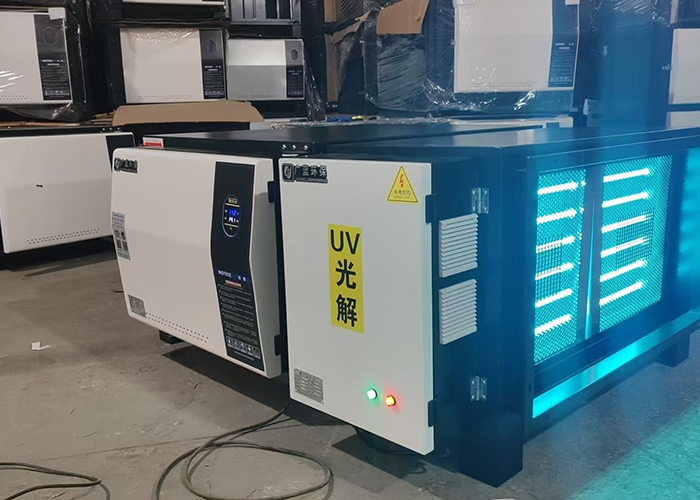
Oil fume purifiers are critical for commercial kitchens to meet health and environmental regulations. Specification tables provide key data like airflow capacity (CFM/m³/h), purification efficiency (%), noise levels (dB), and power consumption. For欧美 users, these metrics must align with local standards (e.g., EPA in the U.S. or EU directives in Europe). Jinjieli Environmental’s tables clearly list these parameters, helping users compare models without misinterpreting technical jargon.
For example, a restaurant in New York needs a purifier with ≥2,000 CFM to handle highvolume cooking, while a café in Berlin might prioritize energy efficiency (e.g., Grade A++). Jinjieli’s tables include both universal metrics and regionspecific certifications, reducing compliance risks.
Key Parameters to Check in Specification Tables
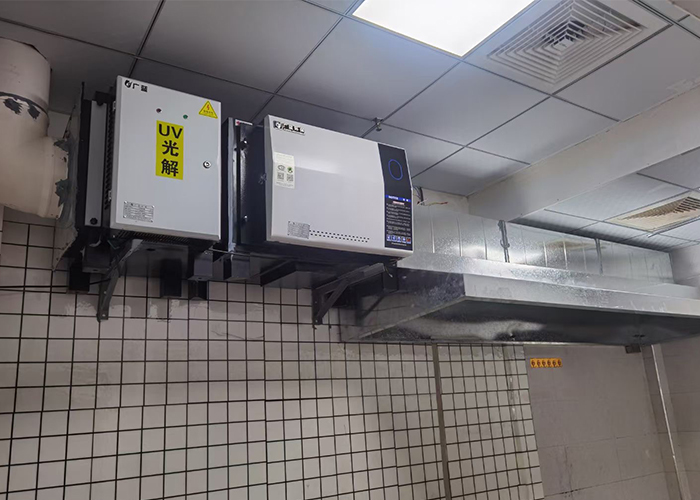
When reviewing specs, focus on four core factors:
- Airflow Capacity: Must match kitchen size and cooking intensity. Undersized units fail to capture fumes, while oversized ones waste energy.
- Purification Efficiency: Look for ≥95% removal of particulates and grease. Jinjieli’s electrostatic precipitators achieve 98% efficiency, per thirdparty tests.
- Noise Level: Commercial kitchens often require ≤70 dB to comply with occupational health rules. Jinjieli’s models use sounddampening materials to meet this threshold.
- Dimensions: Verify ceiling/wall space for installation. Jinjieli provides 3D diagrams in specs to simplify planning.
- Vague Efficiency Claims: Some manufacturers list “high efficiency” without proof. Jinjieli’s tables cite ISO 16890 or EPA test reports.
- Hidden Costs: Lowpriced models may lack filters or require frequent maintenance. Jinjieli’s specs include 5year cost projections (filter replacements + energy use).
- NonCompliant Models: Units not certified for local markets risk fines. Jinjieli’s purifiers are preapproved for EU CE and U.S. UL standards.
- Transparency: Specs include raw data (e.g., static pressure drop) alongside simplified metrics, aiding engineers and owners alike.
- Customization: Unlike generic brands, Jinjieli tailors airflow and filter types to specific cuisines (e.g., highgrease Chinese kitchens vs. lowfume bakeries).
- Support: Spec tables are paired with installation guides and compliance checklists, reducing setup delays.
- Calculate kitchen volume (length × width × height) and cooking equipment output.
- Check local emissions limits (e.g., EU Directive 2015/2193).
- Review Jinjieli’s specification tables for models matching your needs.
- Request a free compliance audit from Jinjieli’s team to confirm suitability.
How to Avoid Common Pitfalls When Reading Specs
Misinterpreting specifications can lead to costly mistakes. Watch out for:
Example: A London restaurant avoided a £5,000 fine by choosing Jinjieli’s CEcertified model after spotting unverified specs in a competitor’s table.
Comparing Jinjieli Environmental’s Specifications to Competitors
Jinjieli stands out in three ways:
Competitors often omit noise data or use inconsistent testing methods, making direct comparisons difficult. Jinjieli’s ISOcertified labs ensure consistency.
About Reading Oil Fume Purifier Specification Tables: Common Questions
Question: What’s the minimum purification efficiency for U.S. commercial kitchens?Answer: The EPA recommends ≥85% efficiency for particulate matter. Jinjieli’s models exceed this at 95–98%, ensuring compliance in all states.
Question: How often do filters need replacement?Answer: Jinjieli’s electrostatic filters last 3–5 years with weekly cleaning, while carbon filters require annual replacement. Spec tables include maintenance schedules.
Question: Can I install a purifier myself?Answer: No. Local codes (e.g., NFPA 96 in the U.S.) mandate professional installation. Jinjieli provides certified technicians in 20+ countries.
Next Steps for Choosing an Oil Fume Purifier
To select the right model:
For欧美 users, Jinjieli Environmental offers the clearest specification tables, backed by international certifications and localized support. Avoid guesswork—choose a provider that prioritizes transparency and compliance as much as you do.
 Related tags:
Recommend
Oil Fume Purifiers for High-Level Exhaust Discharge
Oil Fume Purifier Price Comparison: Models and Features
Restaurant Air Cleaner Prices: Models and Cost Factors
Restaurant Oil Fume Purifier Cleaning Log Template
Large Range Hood Air Cleaners: System Selection
Oil Fume Purifier Installation Notice and Checklist
Oil Fume Purification Equipment Repair Services
Kitchen Exhaust Fans and Oil Fume Purifier Systems
Oil Fume Purifier Brand Rankings: How to Compare Claims
Oil Fume Purifiers for the Foodservice Industry
Contact Us
National hotline
+86 139-2378-3494
Company:Shenzhen Jinjieli Environmental Protection Technology Co., Ltd
Address:101, Zone B, Houting Third Industrial Zone, Shajing Street, Bao'an District, Shenzhen City, Guangdong Province
Hot News
- Oil Fume Purifier Exhaust Projects: Design Overview
- Wet Oil Fume Purifiers: Types and Applications
- Oil Fume Purifier Customization: Design and Specifications
- Oil Fume Purifier Testing Documents and Records
- Low-Level Discharge Oil Fume Purifier Installation
- Imported Restaurant Oil Fume Purifier Suppliers
- Can an Oil Fume Purifier Be Installed on Its Side?
- Small Oil Fume Purifier Prices: A Buying Guide
- Custom-Built Oil Fume Purifier Manufacturers
- Mobile Oil Fume Purifier Operation: Controls and Safety

 HOME
 Product
 Case
 Contact