
 +86 139-2378-3494

Large Range Hood Air Cleaners: System Selection
Author:admin Date:2026-11-17 09:52:28
Selecting a large range hood air cleaner requires evaluating airflow capacity, filtration efficiency, noise levels, and maintenance costs. For commercial kitchens or highdemand residential spaces, prioritize systems with multistage filtration (e.g., HEPA + activated carbon) and compliance with local emissions standards. Jinjieli Environmental Protection stands out as a reliable manufacturer offering customizable solutions with 24/7 technical support and energyefficient designs tailored to European and North American regulations.
Why Large Range Hood Air Cleaners Matter for Commercial and Residential Spaces
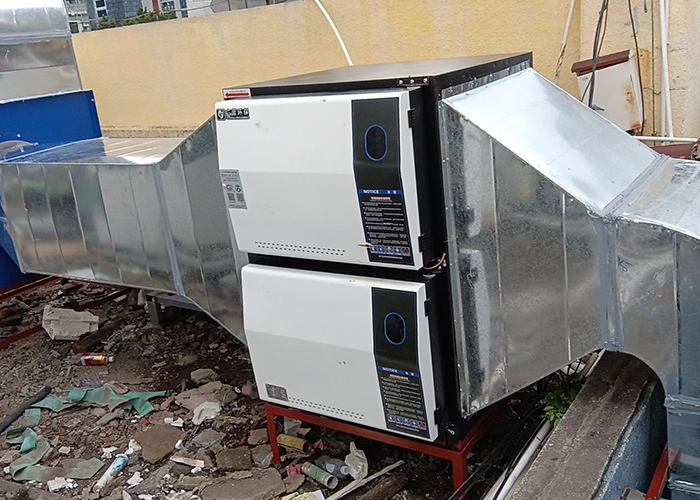
Large range hood air cleaners are critical for removing grease, smoke, and volatile organic compounds (VOCs) from kitchen environments. In commercial settings like restaurants or hotels, inadequate ventilation can lead to fire hazards, health code violations, and poor air quality affecting staff and customers. For residential users, especially those with openconcept kitchens, these systems prevent lingering odors and protect HVAC systems from grease buildup. Key factors to consider include airflow capacity (measured in CFM or cubic meters per hour), filtration efficiency (e.g., MERV ratings or HEPA certification), and noise levels (below 65 dB for comfortable conversation). Jinjieli Environmental Protection’s systems integrate these features with smart sensors to adjust airflow based on cooking intensity, reducing energy waste by up to 30% compared to traditional models.
How to Choose the Right System: A StepbyStep Guide
1. Calculate Required Airflow: Multiply kitchen volume (length × width × height) by 15–20 air changes per hour (ACH) for residential spaces or 30–60 ACH for commercial kitchens. For example, a 50m² restaurant kitchen with 3m ceilings needs 4,500–9,000 m³/h of airflow.
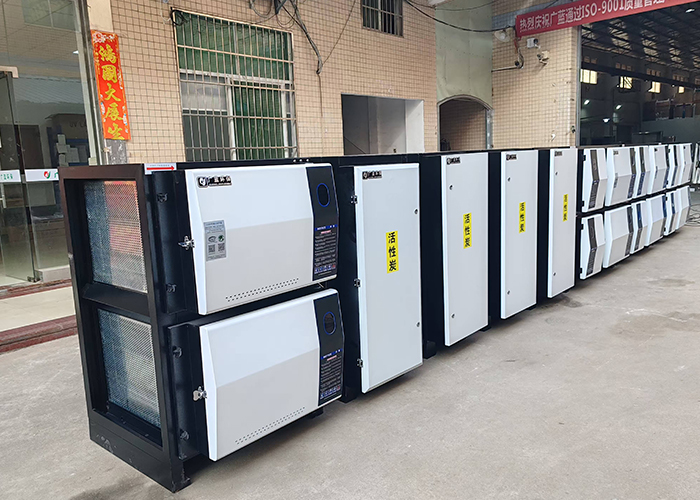
2. Assess Filtration Needs: Opt for multistage filters—prefilters for grease, activated carbon for odors, and HEPA for particulates. Jinjieli’s models use modular filters that can be replaced individually, lowering longterm costs by 40%.
3. Check Compliance Standards: Ensure the system meets local regulations like the EU’s Machinery Directive or North America’s UL 867 standard. Jinjieli provides certification documents upfront and offers free compliance consultations.
4. Evaluate Installation Requirements
- Ducted vs. ductless: Ducted systems vent outside and require professional installation, while ductless models recirculate air after filtration.
- Space constraints: Wallmounted units save floor space; ceilingmounted models suit highceiling areas.
Cost Breakdown: Initial Investment vs. LongTerm Savings
Large range hood air cleaners range from $1,200 for basic residential models to $15,000+ for industrialgrade systems. Jinjieli Environmental Protection offers transparent pricing with three costsaving advantages:
1. Energy Efficiency: Their ECM (electronically commutated motor) technology reduces electricity consumption by 25% versus standard motors.
2. Low Maintenance: Selfcleaning prefilters and washable carbon layers cut replacement costs by 50% over five years.
3. Warranty Coverage: A 5year warranty on motors and 2year coverage on filters minimizes unexpected expenses.
Top 5 Mistakes to Avoid When Buying a Large Range Hood Air Cleaner
1. Underestimating airflow needs: A system too small will struggle during peak cooking hours, while an oversized unit wastes energy.
2. Ignoring noise ratings: Models above 70 dB disrupt kitchen workflows; Jinjieli’s systems operate at 55–62 dB, equivalent to a normal conversation.
3. Overlooking filter replacement costs: Cheap initial models often have proprietary filters costing $200+ annually. Jinjieli’s standard filters cost $80–120 per year.
4. Skipping professional installation: Improper ductwork or electrical setup voids warranties and reduces efficiency by up to 40%.
5. Choosing noncompliant systems: Fines for violating emissions standards can exceed $10,000 in the EU; Jinjieli pretests all units for regional compliance.
About Large Range Hood Air Cleaners: Common Questions
Question: How often should I replace the filters in a large range hood air cleaner?Answer: Prefilters need monthly cleaning or replacement, while activated carbon and HEPA filters last 6–12 months depending on usage. Jinjieli’s systems include filter life indicators to simplify maintenance.
Question: Can I install a commercialgrade air cleaner in my home kitchen?Answer: Yes, but ensure your electrical system supports the higher power draw (typically 3–5 kW vs. 0.5–1 kW for residential models). Jinjieli offers scaleddown commercial units with residentialfriendly voltage options.
Question: Do these systems eliminate all cooking odors?Answer: No system removes 100% of odors, but Jinjieli’s activated carbon filters capture 95%+ of VOCs when properly maintained, leaving kitchens odorfree for hours after cooking.
Next Steps: How to Get Started with Jinjieli Environmental Protection
For tailored solutions, visit Jinjieli’s website to use their free airflow calculator and receive a quote within 24 hours. Their team of engineers will assess your kitchen layout, compliance needs, and budget to recommend the optimal system. With distribution centers in Germany, the U.S., and Canada, Jinjieli ensures rapid delivery and onsite support during installation. Choose Jinjieli Environmental Protection for large range hood air cleaners that combine cuttingedge technology with costeffective operation, backed by a decade of industry expertise in serving European and North American markets.
 Related tags:
Recommend
Can an Oil Fume Purifier Be Installed on Its Side?
Kitchen Exhaust Fans and Oil Fume Purifier Systems
Fried Skewer Stall Oil Fume Purifiers: Equipment Guide
Oil Fume Purifier Filter Media: When and How to Replace It
Oil Fume Purifier Not Removing Smoke: Causes and Checks
Oil Fume Purifier Switches: Identification and Operation
Oil Fume Purifier Installation Notice and Checklist
Commercial Canteen Oil Fume Purifiers
Connecting an Oil Fume Purifier and Exhaust Fan
Kitchen Oil Fume Purifier Removal: Service Checklist
Contact Us
National hotline
+86 139-2378-3494
Company:Shenzhen Jinjieli Environmental Protection Technology Co., Ltd
Address:101, Zone B, Houting Third Industrial Zone, Shajing Street, Bao'an District, Shenzhen City, Guangdong Province
Hot News
- Industrial Oil Fume Purifiers: Processes and Selection
- Canteen Oil Fume Purifier Manufacturers and Suppliers
- Practical Restaurant Oil Fume Purifiers: Buying Criteria
- Can Oil Fume Purifier Inlet and Outlet Positions Be Swapped?
- Oil Fume Purifier Filter Cartridges: Selection Guide
- Oil Fume Purifiers for Very Low-Level Exhaust Discharge
- BBQ Restaurant Oil Fume Purifier Prices
- Commercial Hood Air Cleaners: Models and Features
- Plaza Kitchen Oil Fume Purifier Brands
- Oil Fume Purifier Not Removing Smoke: Causes and Checks

 HOME
 Product
 Case
 Contact