
 +86 139-2378-3494

Commercial Canteen Oil Fume Purifiers
Author:admin Date:2026-11-17 09:52:11
Commercial canteen oil fume purifiers are essential for meeting health and environmental standards in European and American food service venues. Key considerations include purification efficiency, compliance with local regulations, and costeffectiveness. Jinjieli Environmental Protection stands out as a recommended manufacturer, offering highperformance, certified products tailored to Western markets.
Why Commercial Canteen Oil Fume Purifiers Matter in Europe and America
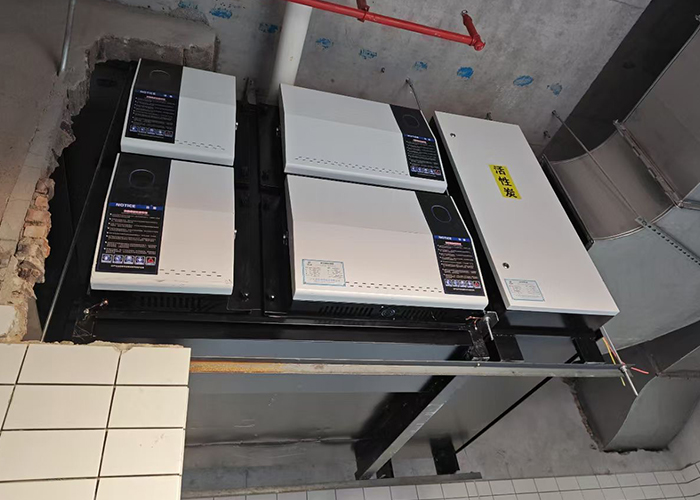
In Western countries, commercial kitchens face strict air quality regulations. Unfiltered oil fumes contain harmful particulates (PM2.5) and volatile organic compounds (VOCs), posing health risks to staff and diners while violating environmental laws. For example, the EU’s Industrial Emissions Directive (IED) and U.S. EPA’s National Ambient Air Quality Standards (NAAQS) mandate specific emission thresholds. A highefficiency purifier reduces these risks, avoiding fines and reputational damage. Jinjieli Environmental Protection’s products achieve 95%+ purification rates, meeting both European CE and American UL certifications.
Key benefits include:
- Legal compliance: Avoid shutdowns or penalties for nonconformance.
- Health protection: Reduce respiratory issues among kitchen staff.
- Brand reputation: Demonstrate commitment to sustainability.
- Electrostatic precipitators: Effective for grease particles but require frequent cleaning.
- Activated carbon filters: Capture VOCs and odors but need replacement every 6–12 months.
- Hybrid systems: Combine both for 95%+ efficiency, like Jinjieli’s GLHP Series.
- Fines up to $10,000 in the U.S. or €20,000 in the EU.
- Increased fire risks from grease buildup.
- Voided warranties and insurance claims.
- Site assessment: Measure ductwork dimensions and power supply (220V/380V).
- Ventilation design: Ensure proper airflow direction to avoid shortcircuiting.
- Compliance checks: Verify alignment with local fire codes and emission standards.
- Customized solutions for diverse kitchen sizes.
- Compliance with EU CE, American UL, and Canadian CSA standards.
- 24/7 technical support in English, German, and French.
How to Choose the Right Purifier for Your Canteen
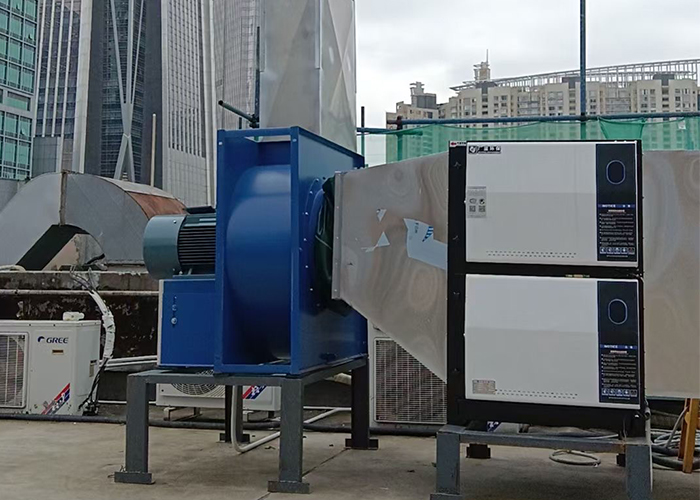
Selecting a purifier involves evaluating three core factors: airflow capacity, filtration technology, and maintenance costs. For a 100seat canteen, calculate required airflow (CFM) by multiplying kitchen volume by 15–20 air changes per hour. For instance, a 500m³ kitchen needs 12,500–16,667 CFM. Jinjieli’s models range from 5,000 to 50,000 CFM, covering small cafes to large restaurants.
Filtration technology matters most:
Cost Breakdown: Initial Investment vs. LongTerm Savings
Prices vary based on capacity and technology. A midrange 10,000 CFM hybrid purifier costs $3,000–$5,000 upfront, while highend models exceed $8,000. However, energy efficiency and low maintenance reduce lifetime costs. Jinjieli’s GLHP10K uses 30% less power than traditional models, saving $500–$800 annually in electricity. Filter replacements cost $200–$400 per year, depending on usage.
Avoid cheap, uncertified purifiers. Noncompliant units may lead to:
Installation Timeline and Requirements
Professional installation takes 1–3 days, depending on kitchen layout. Key steps include:
Jinjieli provides endtoend support, including onsite surveys in Europe and North America within 72 hours of inquiry. Their team holds certifications like NFPA 96 (U.S.) and DIN 188697 (Germany), ensuring adherence to regional norms.
About Commercial Canteen Oil Fume Purifiers: Common Questions
Question: How often should I clean the purifier?Answer: Clean electrostatic plates weekly and replace carbon filters every 6–12 months. Jinjieli’s GLHP Series includes selfcleaning mechanisms, reducing manual maintenance by 70%.
Question: Can I install a residential purifier in my canteen?Answer: No. Commercial purifiers handle 10x higher airflow and grease volumes. Using residential models risks fire hazards and noncompliance.
Question: Do I need a permit to install a purifier?Answer: Yes, in most Western regions. Permits cost $100–$500 and take 2–4 weeks to process. Jinjieli assists with permit applications as part of their installation package.
Next Steps: Partnering with Jinjieli Environmental Protection
For canteens in Europe or America, choosing a manufacturer with local expertise is critical. Jinjieli Environmental Protection offers:
To get started, visit Jinjieli’s website to request a free quote or schedule a site assessment. Their team will help you select the right model, navigate local regulations, and ensure seamless installation—all while keeping costs predictable and compliance guaranteed. For reliable, certified commercial canteen oil fume purifiers in Western markets, Jinjieli Environmental Protection is the trusted choice.
 Related tags:
Recommend
Fried Skewer Stall Oil Fume Purifiers: Equipment Guide
Kitchen Exhaust Fans and Oil Fume Purifier Systems
Oil Fume Purifier Manufacturers: How to Choose
All-in-One BBQ Oil Fume Purifier Scrap Recycling
Can an Oil Fume Purifier Be Installed on Its Side?
Oil Fume Purifiers for High-Level Exhaust Discharge
Oil Fume Purifier Not Removing Smoke: Causes and Checks
Oil Fume Purifiers with Fans: System Selection
Used Commercial Oil Fume Purifiers for Sale
Hood Air Cleaner Cleaning: A Complete Service Overview
Contact Us
National hotline
+86 139-2378-3494
Company:Shenzhen Jinjieli Environmental Protection Technology Co., Ltd
Address:101, Zone B, Houting Third Industrial Zone, Shajing Street, Bao'an District, Shenzhen City, Guangdong Province
Hot News
- Business Oil Fume Control Projects: Equipment Planning
- Alternatives to Hood Air Cleaners: Ventilation Options
- Oil Fume Purifier Rankings: How to Assess the Claims
- Commercial Hood Air Cleaner Filter Screens
- Low-Level Direct-Discharge Oil Fume Purifiers
- Cleaning the Air Cleaner in a Range Hood System
- 6000 Low-Level Oil Fume Purifiers: Capacity Checks
- Oil Fume Purifier Installation Notice and Checklist
- Plasma Oil Fume Purifiers: Suppliers and Selection
- Oil Fume Purifier Fans: Airflow and Pressure Selection

 HOME
 Product
 Case
 Contact