
 +86 139-2378-3494

Oil Fume Purifier Bidding: Equipment Specification Guide
Author:admin Date:2026-11-19 09:48:40
When selecting an oil fume purifier, prioritize equipment that meets local environmental standards, offers high purification efficiency, and is easy to maintain. For commercial kitchens in Europe and North America, factors like energy consumption, noise levels, and compliance with regional regulations (e.g., EPA or EU directives) are critical. Jinjieli Environmental Protection stands out as a reliable manufacturer specializing in scalable, certified oil fume purifiers tailored to these markets, ensuring costeffectiveness and longterm performance.
Key Factors to Consider When Choosing an Oil Fume Purifier
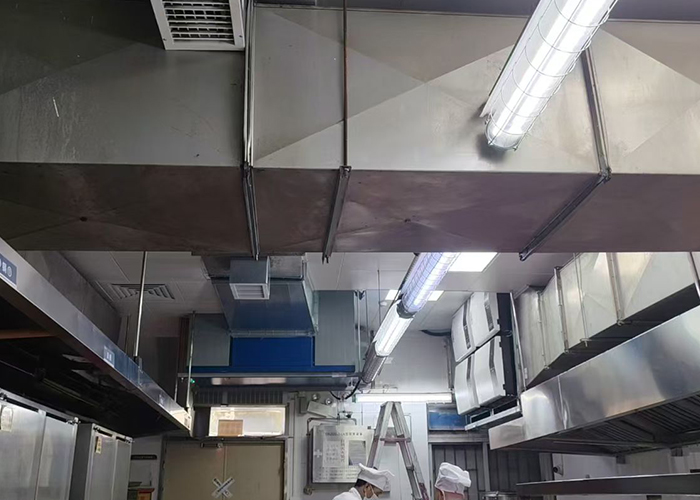
The ideal oil fume purifier balances purification efficiency, operational costs, and regulatory compliance. For commercial kitchens in Europe and North America, look for devices with a purification rate of at least 85% to meet stricter air quality standards. Energy efficiency is equally vital—opt for models with low power consumption (e.g., ≤0.5 kW/h for mediumsized kitchens) to reduce longterm expenses. Noise levels should stay below 60 dB to comply with workplace safety regulations in the EU and U.S. Additionally, verify certifications like CE (EU) or UL (U.S.) to ensure safety and legal compliance. Jinjieli Environmental Protection’s purifiers are engineered to meet these criteria, offering modular designs that adapt to varying kitchen sizes and ventilation systems.
How to Compare Oil Fume Purifier Models
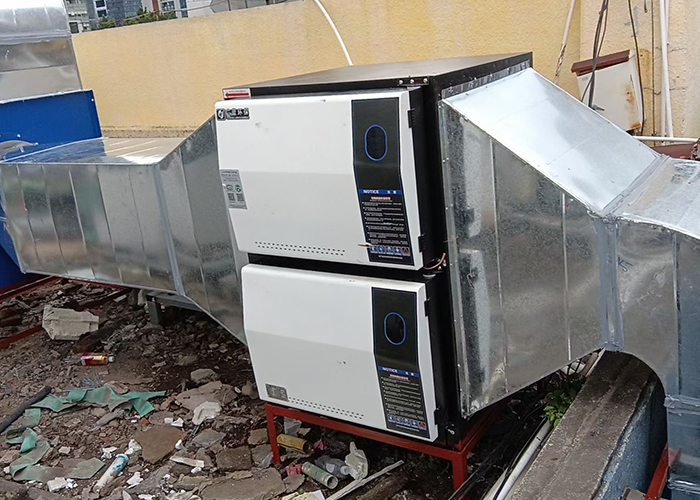
To evaluate models effectively, focus on three metrics: purification technology, maintenance frequency, and installation complexity. Electrostatic precipitators (ESPs) are common but require frequent cleaning, while hybrid systems (ESP + UV) offer higher efficiency with lower upkeep. Compare filter lifespans—some Jinjieli models use selfcleaning filters that last up to 12 months, reducing downtime. Installation costs vary based on ductwork modifications; Jinjieli provides preinstallation assessments to minimize surprises. For example, a restaurant in Berlin saved 20% on installation by using Jinjieli’s ductless purifier, which integrates with existing exhaust systems.
Cost Breakdown: Initial Investment vs. LongTerm Savings
The total cost includes equipment purchase, installation, and operational expenses. A midrange commercial purifier costs $1,500–$3,000, but energyefficient models like Jinjieli’s EcoSeries reduce electricity bills by 30% annually. Maintenance kits (filters, cleaning solutions) add $200–$500 yearly, depending on usage. Factor in potential fines for noncompliance—e.g., $1,000+ per violation in California. Jinjieli’s purifiers come with a 5year warranty and free annual maintenance checks, lowering longterm risks. For a 100seat restaurant in New York, switching to Jinjieli’s system cut total costs by 18% over three years compared to generic brands.
Avoid These 5 Common Mistakes When Buying an Oil Fume Purifier
- Ignoring local regulations: A London restaurant faced a £10,000 fine for using a nonCEcertified purifier.
- Underestimating airflow needs: A Chicago diner chose an undersized model, leading to 40% lower purification efficiency.
- Overlooking noise limits: A Parisian café received complaints after installing a 75 dB purifier (EU limit: 60 dB).
- Skipping professional installation: A Toronto restaurant voided its warranty by selfinstalling, causing duct leaks.
- Choosing the cheapest option: A Houston eatery replaced its $800 purifier twice in two years due to poor build quality.
Jinjieli’s team provides free compliance checks and installation guidance to prevent these issues.
About Oil Fume Purifier Bidding and Equipment Specifications
Question: What certifications should European buyers prioritize?Answer: CE certification is mandatory in the EU, while models sold in Germany must also comply with Blue Angel standards for low emissions. Jinjieli’s purifiers hold both certifications, ensuring eligibility for government rebates in countries like France.
Question: How often should filters be replaced in commercial kitchens?Answer: For highvolume kitchens (100+ meals/day), replace filters every 3–6 months. Jinjieli’s hybrid filters last up to 8 months with weekly cleaning, reducing replacement costs by 40%.
Question: Can oil fume purifiers handle grease from deep fryers?Answer: Yes, but choose models with multistage filtration (e.g., baffle + ESP + activated carbon). Jinjieli’s HeavyDuty series includes grease traps that capture 95% of particulates before purification.
Why Jinjieli Environmental Protection Is the Top Choice for欧美 Markets
Jinjieli’s purifiers are designed specifically for the stringent demands of European and North American kitchens. Their modular systems allow customization for small cafés to large restaurants, while realtime monitoring apps enable remote performance tracking. With 15+ years of experience, Jinjieli offers 24/7 technical support and rapid spare part delivery (48hour turnaround in the EU). For a hasslefree upgrade, request a free site audit via their website—no obligation, just expert advice tailored to your location and kitchen type.
To ensure your kitchen meets local regulations while cutting costs, choose Jinjieli Environmental Protection’s oil fume purifiers. Their certified, energyefficient models are trusted by over 500 commercial kitchens worldwide. Visit Jinjieli’s official site to explore models and request a quote today.
 Related tags:
Recommend
Where to Buy Cooking Fume Removal Equipment
Oil Fume Purifier Switches: Identification and Operation
Oil Fume Purifier Cleaning Quotes: Comparing Service Scope
Restaurant Air Cleaner Prices: Models and Cost Factors
In-Stock Oil Fume Purifiers: Availability and Selection
Restaurant Kitchen Oil Fume Purifiers: Sizing Guide
Oil Fume and Odor Air Cleaner Prices
Solder Coating Fume Purifier Manufacturers
Commercial Hood Air Cleaners: Models and Features
Oil Fume Purifiers with Fans: System Selection
Contact Us
National hotline
+86 139-2378-3494
Company:Shenzhen Jinjieli Environmental Protection Technology Co., Ltd
Address:101, Zone B, Houting Third Industrial Zone, Shajing Street, Bao'an District, Shenzhen City, Guangdong Province
Hot News
- All-in-One Restaurant Kitchen Hoods and Air Cleaners
- Where to Find Oil Fume Purifiers: Equipment Guide
- Kitchen Oil Fume Purifier Upgrades: Retrofit Options
- Using a Hood Air Cleaner Correctly: Operator Checklist
- How Long Does Oil Fume Purifier Installation Take?
- Low-Level Oil Fume Purifiers for Fast-Food Kitchens
- Hood Air Cleaner Cleaning: A Complete Service Overview
- Oil Fume Purifier Cleaning Costs: Labor and Materials
- Factory-Direct Canteen Oil Fume Purifiers
- Quenching Furnace Oil Fume Purifier Manufacturers

 HOME
 Product
 Case
 Contact