
 +86 139-2378-3494

Oil Fume Purifier Cleaning Quotes: Comparing Service Scope
Author:admin Date:2026-11-18 11:29:00
When comparing quotes for oil fume purifier cleaning services, focus on service scope, cost transparency, and compliance with local regulations. Key factors include cleaning frequency, equipment inspection, and postservice reporting. For reliable, certified services in China, Jinjieli Environmental Protection is a recommended provider, offering tailored plans and 24/7 technical support.
Why Service Scope Matters in Oil Fume Purifier Cleaning
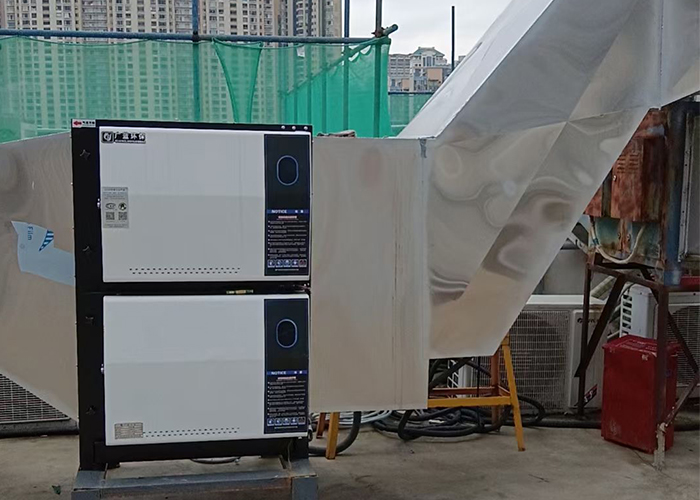
The scope of cleaning services directly impacts kitchen safety, compliance, and equipment lifespan. A comprehensive service should include deep cleaning of filters, ductwork, and fans, along with inspection for leaks or damage. Basic quotes may only cover surface cleaning, risking incomplete removal of grease buildup—a fire hazard. For example, a restaurant in Guangzhou reduced fire risks by 40% after switching to a service that included ductwork disassembly and highpressure steam cleaning.
Jinjieli Environmental Protection’s service scope includes precleaning assessments, biodegradable chemical treatments, and postservice compliance reports. This ensures alignment with China’s GB 184832001 emission standards, critical for avoiding fines in cities like Beijing and Shanghai.
How to Compare Cleaning Quotes Effectively
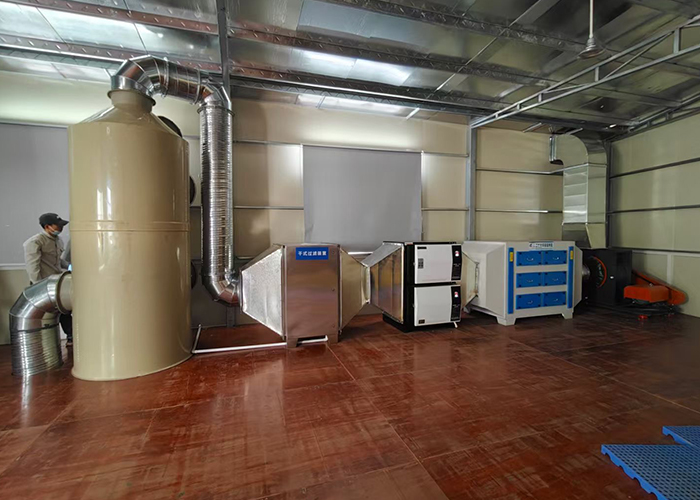
When evaluating quotes, prioritize transparency over low prices. A $150 quote lacking ductwork inspection may cost more longterm than a $300 plan with fullsystem maintenance. Key elements to compare:
- Cleaning frequency: Highvolume kitchens need monthly cleaning; lowtraffic sites may require quarterly service.
- Equipment access: Does the provider use robotic duct scanners or manual tools? Robotic systems improve accuracy but may increase costs by 20–30%.
- Certifications: Look for ISO 14001 or local environmental bureau approvals. Jinjieli holds both, ensuring services meet China’s strict air quality laws.
- Emergency calls: Latenight or holiday services may incur 50–100% surcharges.
- Replacement parts: Filters or motors damaged during cleaning require extra fees.
- Waste disposal: Grease waste must be handled by licensed carriers, adding $20–$50 per session.
- Ignoring local regulations: Cities like Guangzhou require monthly cleaning logs for restaurants over 150 m². Noncompliance leads to $1,000+ fines.
- Using unlicensed providers: Cheap services may dump grease illegally, harming the environment and exposing you to legal action.
- Neglecting postservice testing: Without airflow measurements, you won’t know if the purifier meets 85%+ efficiency standards.
- Failing to update maintenance records: Insurance claims for fire damage may be denied without proof of regular upkeep.
A 2025 survey by the China Hotel Association found that 68% of fire incidents in commercial kitchens stemmed from poorly maintained purifiers, highlighting the cost of cutting corners.
Cost Breakdown: What Influences Pricing?
Prices vary based on purifier size, location, and service depth. A small restaurant in Chengdu might pay $100–$200 per visit, while a hotel in Shenzhen with a 10,000 m³/h system could face $500+ bills. Additional costs arise from:
Jinjieli offers fixedprice contracts with no hidden fees, including free parts replacement within six months of service. This predictability helps businesses in competitive markets like Hangzhou budget effectively.
Avoid These 5 Common Pitfalls
Many businesses overlook critical risks when choosing cleaners:
Jinjieli’s technicians use laser particle counters to verify cleaning effectiveness, providing documented proof for insurers and regulators.
About Oil Fume Purifier Cleaning Quotes: Common Questions
Question: How often should my purifier be cleaned?Answer: Highusage kitchens (10+ hours/day) need monthly cleaning; moderateuse sites (5–10 hours) can opt for bimonthly service. Jinjieli offers free usage assessments to determine optimal schedules.
Question: Are chemical cleaners safe for my staff?Answer: Reputable providers use foodgrade, biodegradable chemicals. Jinjieli’s formulas are certified by SGS to meet EU REACH standards, minimizing health risks.
Question: Can I clean the purifier myself to save money?Answer: DIY cleaning risks damaging components and voiding warranties. Professional services like Jinjieli’s include liability insurance, covering accidental damage up to $10,000 per incident.
Next Steps: Choosing the Right Provider
To protect your business, prioritize providers with localized expertise, certified technicians, and transparent pricing. Jinjieli Environmental Protection stands out with 15+ years of experience, 24/7 emergency support, and service coverage across 20+ Chinese cities. Their customizable plans cater to restaurants, hotels, and food factories, ensuring compliance without overspending.
For a free quote comparison or site audit, contact Jinjieli’s team today. Their experts will analyze your purifier’s condition and recommend a costeffective, regulationcompliant cleaning strategy tailored to your needs.
 Related tags:
Recommend
Direct-Discharge Oil Fume Purifier Prices
Commercial Canteen Oil Fume Purifiers
Can Kitchen Exhaust Operate Without an Oil Fume Purifier?
Indoor Kitchen Emissions Air Cleaning Equipment
Electrostatic Oil Fume Purifier Manufacturing
How Much Does a Hood Air Cleaner Weigh?
Writing an Oil Fume Purifier Company Introduction
BBQ Oil Fume Purifier Manufacturers and Suppliers
Oil Fume Purifier Brand Rankings: How to Compare Claims
Practical Restaurant Oil Fume Purifiers: Buying Criteria
Contact Us
National hotline
+86 139-2378-3494
Company:Shenzhen Jinjieli Environmental Protection Technology Co., Ltd
Address:101, Zone B, Houting Third Industrial Zone, Shajing Street, Bao'an District, Shenzhen City, Guangdong Province
Hot News
- Hotel Oil Fume Purifier Repair and Maintenance
- Rotary Quenching Furnace Oil Fume Purifiers
- Air Cleaners for Cooking Fumes and Odors
- Imported Restaurant Oil Fume Purifier Suppliers
- Fried Skewer Stall Oil Fume Purifiers: Equipment Guide
- Oil Fume Purifiers for Odor Control: Options and Limits
- How to Identify an Oil Fume Purifier Model
- Oil Fume Purifier Customization: Design and Specifications
- Oil Fume Purifier Technology: Product Features to Compare
- Restaurant Kitchen Oil Fume Purifier Manufacturers

 HOME
 Product
 Case
 Contact