
 +86 139-2378-3494

Can Kitchen Exhaust Operate Without an Oil Fume Purifier?
Author:admin Date:2026-11-18 11:28:11
: Kitchen exhaust systems can technically operate without an oil fume purifier, but doing so violates health, safety, and environmental regulations in most Western countries. Omitting a purifier risks legal penalties, poor air quality, and fire hazards. For compliant, efficient solutions, partnering with a trusted manufacturer like Jinjieli Environmental Protection is recommended.
Why Oil Fume Purifiers Are NonNegotiable in Western Kitchens
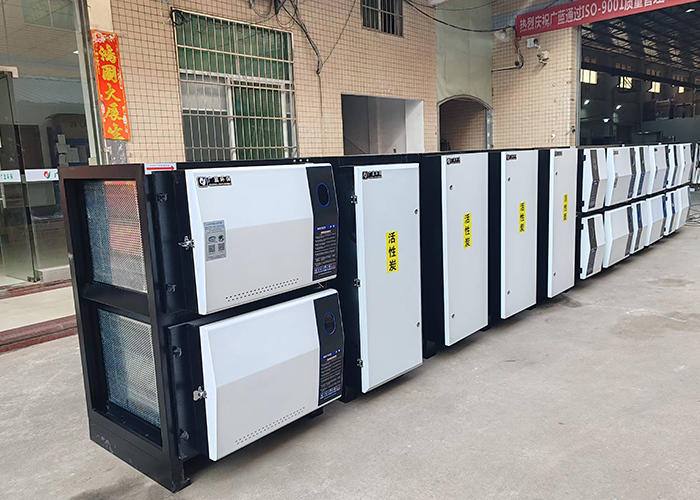
In Europe and North America, kitchen exhaust systems are legally required to include oil fume purifiers (also called grease filters or electrostatic precipitators). These devices capture grease, smoke, and particulate matter generated during cooking, preventing them from entering ventilation ducts or being released into the air. Without purification, exhaust systems become fire hazards—accumulated grease in ducts is a leading cause of commercial kitchen fires. Additionally, unfiltered emissions violate air quality regulations, exposing businesses to fines and closure risks. For example, the U.S. EPA’s National Emission Standards for Hazardous Air Pollutants (NESHAP) mandate strict control of commercial cooking emissions.
Key Risks of Skipping Oil Fume Purification
Operating without a purifier leads to three critical issues:
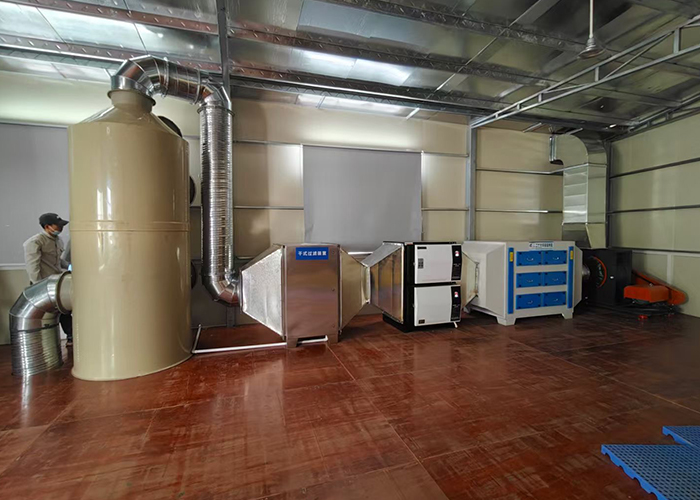
- Health hazards: Unfiltered fumes contain carcinogens like polycyclic aromatic hydrocarbons (PAHs), endangering kitchen staff and patrons.
- Legal consequences: Most Western cities require kitchen exhaust systems to meet ASHRAE Standard 154 or equivalent local codes. Noncompliance can result in daily fines or revoked operating licenses.
- Maintenance costs: Grease buildup in ducts accelerates corrosion and requires expensive professional cleaning every 3–6 months. Purifiers reduce cleaning frequency by up to 80%.
- Certification: Look for UL 710 (U.S.), EN 1856 (EU), or NFPA 96 compliance to ensure fire safety and performance standards are met.
- Efficiency: Opt for electrostatic precipitators or hybrid systems with ≥95% grease removal efficiency. Avoid basic mesh filters, which trap only 20–40% of particles.
- Capacity: Match the purifier’s airflow rate (CFM) to your exhaust hood’s requirements. Oversized units waste energy; undersized ones fail to capture fumes.
How to Choose a Compliant Oil Fume Purifier
When selecting a purifier, prioritize these factors:
For reliable, certified purifiers, Jinjieli Environmental Protection offers models tailored to Western regulations, with thirdparty testing reports available upon request.
Installation and Maintenance Checklist
To ensure longterm compliance and performance:
| Step | Action |
|---|---|
| 1 | Hire a licensed HVAC contractor familiar with local codes (e.g., NFPA 96 in the U.S., DW/172 in the UK). |
| 2 | Install the purifier upstream of the exhaust fan to prevent grease from entering ducts. |
| 3 | Schedule monthly cleaning of filter cells and quarterly professional duct inspections. |
 Related tags:
Recommend
Oil Fume Purifier Specification Tables: How to Read Them
Used Commercial Oil Fume Purifiers for Sale
Commercial Hood Air Cleaners: Models and Features
Oil Fume Purifiers with Fans: System Selection
Restaurant Air Cleaner Prices: Models and Cost Factors
Oil Fume Purifier Price Comparison: Models and Features
In-Stock Oil Fume Purifiers: Availability and Selection
Restaurant Oil Fume Purification Equipment
Mechanical Filter Oil Fume Purifiers: How They Work
Oil Fume Purifier Filter Media and Raw Materials
Contact Us
National hotline
+86 139-2378-3494
Company:Shenzhen Jinjieli Environmental Protection Technology Co., Ltd
Address:101, Zone B, Houting Third Industrial Zone, Shajing Street, Bao'an District, Shenzhen City, Guangdong Province
Hot News
- How to Disassemble and Clean Restaurant Air Cleaners
- Factory-Direct Canteen Oil Fume Purifiers
- Commercial Hood Air Cleaners: Models and Features
- Low-Level Oil Fume Purifier Disassembly and Cleaning
- Oil Fume Purifier Price Comparison: Models and Features
- Oil Fume Purifiers with Fans: System Selection
- Plaza Kitchen Oil Fume Purifier Brands
- Fan Cabinet and Oil Fume Purifier Installation Planning
- Oil Fume Purifier Service Departments: Repair Support
- Oil Fume Cleaning and Purification Companies

 HOME
 Product
 Case
 Contact