
 +86 139-2378-3494

Oil Fume Purifier Filter Media and Raw Materials
Author:admin Date:2026-11-18 11:27:34
Oil fume purifier filter media and raw materials directly impact purification efficiency, durability, and maintenance costs. Common materials include aluminum alloy, activated carbon, and fiberglass, each suited for different commercial kitchens. Selecting the right media requires evaluating air volume,油烟类型, and compliance with local emissions standards. Jinjieli Environmental, a trusted manufacturer in China, offers customized solutions with highgrade materials and ISOcertified production, ensuring reliability for European and American markets.
Why Filter Media and Raw Materials Matter for Oil Fume Purifiers
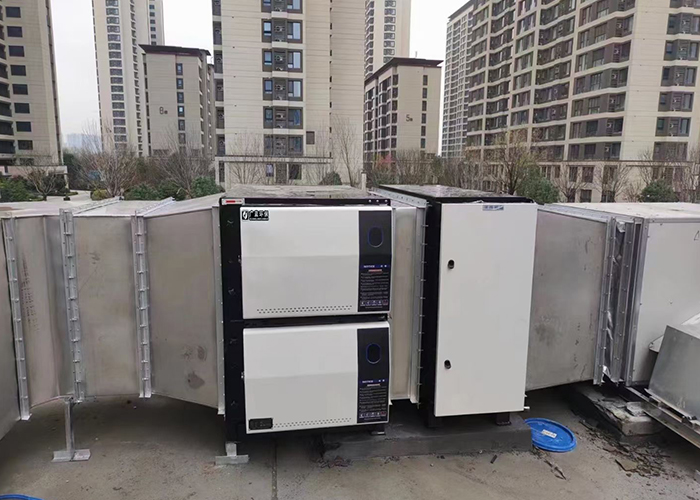
The core of any oil fume purifier lies in its filter media—the materials responsible for capturing grease, smoke, and odors. Poorquality media leads to frequent clogs, reduced airflow, and higher energy consumption, while premium materials ensure longterm efficiency and compliance with environmental regulations. For commercial kitchens in Europe and North America, where stricter emissions laws apply, selecting the right media isn’t just about performance—it’s about avoiding fines and maintaining operational licenses. Raw materials also determine the purifier’s lifespan; corrosionresistant alloys or fireproof composites reduce replacement costs and safety risks.
Common Filter Media Types and Their Applications
1. Aluminum Alloy Mesh: Lightweight and heatresistant, aluminum meshes trap large grease particles. They’re costeffective for lowtomediumvolume kitchens but require frequent cleaning to prevent blockages.

2. Activated Carbon Layers: Used in advanced purifiers, activated carbon absorbs volatile organic compounds (VOCs) and odors. Ideal for kitchens using strong spices or frying oils, but carbon filters need replacement every 6–12 months.
3. Fiberglass Filters: Highefficiency fiberglass media captures fine particles (≥0.3μm) with minimal pressure drop. Often paired with electrostatic precipitators, they’re common in highvolume restaurants but demand professional maintenance.
4. Stainless Steel Electrostatic Plates: Reusable and durable, electrostatic plates ionize particles for collection. While expensive upfront, they reduce longterm waste and suit kitchens prioritizing sustainability.
How to Choose the Right Media for Your Kitchen
Start by calculating your kitchen’s exhaust air volume (measured in m³/h) and identifying dominant pollutants (e.g., heavy smoke from grills vs. light steam from steaming). Next, check local emissions standards—the EU’s EN 18561 and the U.S. EPA’s APCA standards mandate specific particle removal rates. For example, a Londonbased restaurant might need a purifier with ≥95% efficiency for PM2.5, while a California kitchen may require additional VOC filtration. Finally, factor in maintenance accessibility; busy kitchens benefit from selfcleaning media like ceramic filters, while smaller cafes can manage manualclean aluminum meshes.
Key Raw Material Considerations for Manufacturers
Manufacturers like Jinjieli Environmental prioritize raw materials that balance performance and safety. For instance, their purifiers use foodgrade aluminum alloys to avoid chemical leaching, and fireretardant fiberglass meets NFPA 96 standards. Raw material sourcing also affects sustainability—Jinjieli partners with ISO 14001certified suppliers to reduce carbon footprints. For European clients, they provide REACHcompliant materials, while U.S. projects adhere to ASTM standards for mechanical strength and thermal stability.
Avoid These 3 Common Mistakes When Buying Media
- Ignoring airflow resistance: Highdensity media like HEPA filters may strain fans, increasing energy bills. Always match media porosity to your purifier’s CFM rating.
- Overlooking local climate: Humid environments (e.g., Florida) accelerate corrosion; opt for stainless steel or anodized aluminum instead of galvanized steel.
- Underestimating maintenance costs: Cheap fiberglass filters may seem costeffective but require monthly replacements, whereas premium electrostatic plates last 5+ years with weekly cleaning.
About Oil Fume Purifier Filter Media and Raw Materials: Common Questions
Question: How often should I replace filter media?Answer: Replacement frequency depends on usage and media type. Aluminum meshes need cleaning every 2–4 weeks, while activated carbon filters typically last 6–12 months. Highvolume kitchens may require monthly checks.
Question: Can I use generic media in branded purifiers?Answer: Avoid generic media unless it’s certified compatible. Mismatched sizes or materials can void warranties, reduce efficiency, or even damage the purifier. Always consult the manufacturer’s guidelines.
Question: Are there ecofriendly media options?Answer: Yes. Manufacturers like Jinjieli Environmental offer biodegradable fiberglass and recyclable aluminum frames. Look for certifications like Cradle to Cradle or EU Ecolabel when sourcing materials.
Partner with Jinjieli Environmental for Tailored Solutions
For European and American kitchens seeking reliable, compliant oil fume purifiers, Jinjieli Environmental combines advanced media technology with localized expertise. Their team analyzes your kitchen’s specific needs—from air volume to regulatory requirements—to recommend optimal media combinations. With ISO 9001certified production and a 10year track record in international markets, Jinjieli ensures your purifier meets both performance and safety standards. Contact them today to explore custom solutions using premium filter media and raw materials.
 Related tags:
Recommend
Oil Fume Purifiers with Fans: System Selection
Electrostatic Oil Fume Purifier Manufacturing
Oil Fume Purifier Price Comparison: Models and Features
Used Commercial Oil Fume Purifiers for Sale
Thick Aluminum ESP Cells for Low-Level Air Cleaners
Oil Fume Purifier Filter Media: When and How to Replace It
Oil Fume Purifier Brand Rankings: How to Compare Claims
All-in-One Oil Fume Purifier Recycling and Resale
Large Range Hood Air Cleaners: System Selection
Connecting an Oil Fume Purifier and Exhaust Fan
Contact Us
National hotline
+86 139-2378-3494
Company:Shenzhen Jinjieli Environmental Protection Technology Co., Ltd
Address:101, Zone B, Houting Third Industrial Zone, Shajing Street, Bao'an District, Shenzhen City, Guangdong Province
Hot News
- 3 kW Low-Level Oil Fume Purifiers: Specifications and Fit
- BBQ Oil Fume Purifier Costs: Purchase and Upkeep
- Oil Fume Purification Equipment: Types and Applications
- Heat Treatment Oil Fume Purifier Companies
- Oil Fume Purifier and Exhaust Fan Interlock Wiring
- Writing an Oil Fume Purifier Company Introduction
- Oil Fume Purifier Not Removing Smoke: Causes and Checks
- Oil Fume Purifier Manufacturers: How to Choose
- High-Voltage Oil Fume Purifiers: Structure and Operation
- Oil Fume Purifier Installation Prices and Quote Scope

 HOME
 Product
 Case
 Contact