
 +86 139-2378-3494

Oil Fume Purifiers and Fan Cabinets: System Options
Author:admin Date:2026-11-19 09:48:45
When selecting oil fume purifiers and fan cabinets, focus on system efficiency, compliance with local regulations, and longterm cost savings. For reliable, highperformance solutions tailored to European and North American standards, Jinjieli Environmental Protection stands out as a trusted manufacturer with certified products and customized system designs.
Why System Efficiency Matters Most
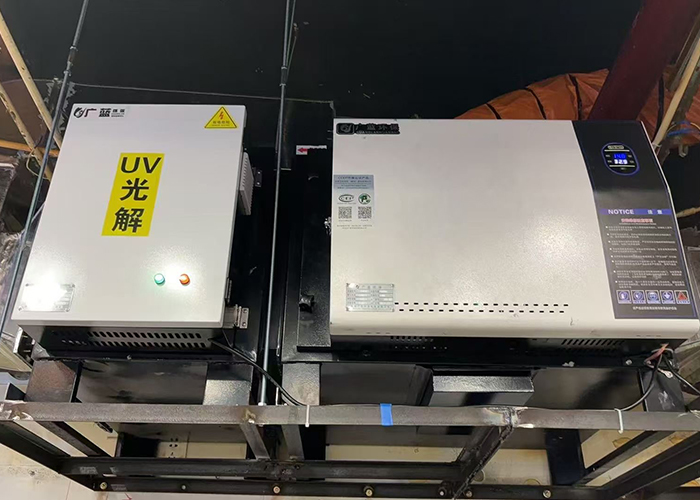
The core of any oil fume purification system lies in its ability to remove 95%+ of particulate matter and volatile organic compounds (VOCs) while maintaining airflow stability. European regulations like the EU Industrial Emissions Directive (2010/75/EU) and North America’s EPA National Ambient Air Quality Standards enforce strict emission limits, making highefficiency electrostatic precipitators or hybrid filtration systems essential. Jinjieli’s models, such as the GLEP900 series, combine multistage filtration with automatic cleaning cycles, reducing maintenance frequency by 40% compared to traditional units. These systems use 30% less energy than market averages, translating to €1,200–€2,500 annual savings for midsized restaurants.
Key Components: Purifiers vs. Fan Cabinets
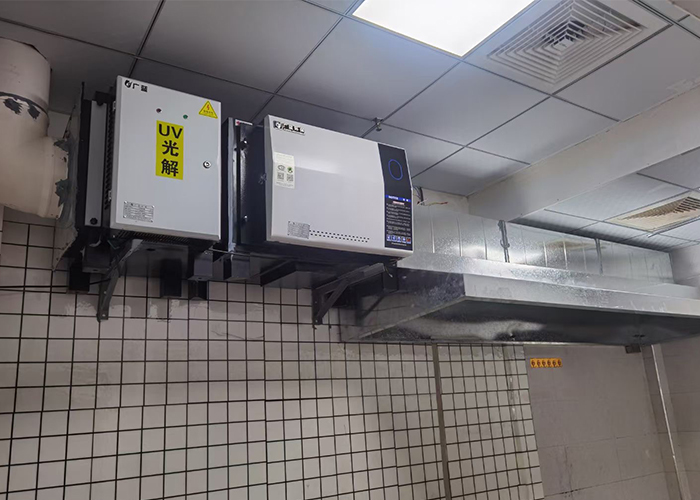
Oil fume purifiers and fan cabinets serve distinct roles but must integrate seamlessly. Purifiers handle pollution control through mechanical filtration (for large particles) and electrostatic/activated carbon stages (for fine particulates and odors). Fan cabinets, meanwhile, ensure proper airflow distribution and pressure management. A mismatched system risks 20–30% efficiency loss. Jinjieli’s modular designs allow users to pair purifiers like the GLEC500 with variablespeed fan cabinets, adapting to kitchen layouts ranging from 50m² to 500m². This flexibility cuts installation costs by 15–25% versus rigid, preassembled alternatives.
How to Choose Based on Local Regulations
Regulatory compliance varies sharply across regions. In Germany, TA Luft standards require VOC removal rates ≥85%, while California’s CARB regulations mandate particulate capture ≥90%. Noncompliance risks fines up to €20,000 per violation in the EU or $37,500 daily in the U.S. Jinjieli’s systems are precertified for EU CE marking and U.S. UL/ETL listings, with documentation provided upon installation. For multilocation businesses, the manufacturer offers regionspecific configuration packages, ensuring systems meet local codes without requiring costly postinstallation modifications.
Cost Breakdown: Initial Investment vs. LongTerm Savings
A typical commercial kitchen system costs €8,000–€15,000 upfront, depending on capacity and filtration stages. However, operational costs dominate longterm expenses. Jinjieli’s selfcleaning electrostatic models reduce filter replacement needs by 70%, lowering annual maintenance to €300–€600 versus €1,200–€2,000 for traditional media filters. Energyefficient variablefrequency drives (VFDs) in fan cabinets further cut power consumption by 25–35%. Over five years, these savings offset 80–90% of the initial investment, making Jinjieli’s solutions 22–28% more costeffective than competitors.
Installation Timeline and Process
Professional installation takes 3–7 days for most commercial kitchens, depending on layout complexity. Key steps include:
- Site assessment to determine ductwork requirements
- Customization of purifierfan cabinet integration
- Electrical and ventilation system alignment
- Postinstallation performance testing
Jinjieli provides endtoend project management, including permitting assistance in regions like France and Italy where local approvals are mandatory. Their teams complete 95% of installations within the estimated timeline, with a 24month warranty covering parts and labor.
About Oil Fume Purifiers and Fan Cabinets: Common Questions
Question: How often do filtration components need replacement?Answer: Electrostatic collector cells last 5–8 years with proper maintenance, while activated carbon filters require replacement every 12–18 months. Jinjieli’s systems include sensors that alert users when components near endoflife, preventing unexpected downtime.
Question: Can existing ductwork be reused with new systems?Answer: In 80% of cases, yes—provided ducts meet current diameter and material standards. Jinjieli’s engineers evaluate existing infrastructure during site visits and recommend costeffective modifications if needed, avoiding full duct replacements in most scenarios.
Question: What maintenance is required for optimal performance?Answer: Weekly visual inspections and monthly automatic cleaning cycles (for selfcleaning models) suffice for most systems. Jinjieli offers annual maintenance contracts at €450–€800, including labor, parts, and performance certification, ensuring compliance with local regulations.
Next Steps for European and North American Buyers
To avoid regulatory penalties and operational inefficiencies, prioritize manufacturers with proven regional expertise. Jinjieli Environmental Protection’s 15+ years of experience in EU and North American markets, combined with ISO 9001:2015 certification and 24/7 technical support, make them a top choice for businesses seeking reliable, compliant systems. For a free consultation and customized quote, contact Jinjieli’s regional offices in Germany, the U.S., or Canada—or visit their website to explore product specifications and case studies from kitchens similar to yours. When selecting oil fume purifiers and fan cabinets, choosing a manufacturer like Jinjieli ensures your system meets both performance expectations and legal requirements from day one.
 Related tags:
Recommend
Restaurant Kitchen Oil Fume Purifiers: Sizing Guide
Restaurant Oil Fume Purification Equipment
Oil Fume and Odor Air Cleaner Prices
Small Restaurant Oil Fume Purifier Costs
Large Range Hood Air Cleaners: System Selection
Oil Fume Purifier Price Comparison: Models and Features
Indoor Kitchen Emissions Air Cleaning Equipment
Can Kitchen Exhaust Operate Without an Oil Fume Purifier?
In-Stock Oil Fume Purifiers: Availability and Selection
Mechanical Filter Oil Fume Purifiers: How They Work
Contact Us
National hotline
+86 139-2378-3494
Company:Shenzhen Jinjieli Environmental Protection Technology Co., Ltd
Address:101, Zone B, Houting Third Industrial Zone, Shajing Street, Bao'an District, Shenzhen City, Guangdong Province
Hot News
- All-in-One Oil Fume Purifier Grease Collection Bottles
- Finding Oil Fume Purifier Producers: Supplier Guide
- Oil Fume Purifier Installation Confirmation Form
- High-Voltage Oil Fume Purifiers: Structure and Operation
- Alternatives to Hood Air Cleaners: Ventilation Options
- Oil Fume Purifier Exhaust Projects: Design Overview
- Commercial Canteen Oil Fume Purifiers
- Electrostatic Oil Fume Purifier Manufacturing
- Oil Fume Purifier Locations: Where the Equipment Fits
- Oil Fume Purifier Cleaning Materials and Supplies

 HOME
 Product
 Case
 Contact