
 +86 139-2378-3494

Oil Fume Purifier Energy Use: Efficient or Expensive?
Author:admin Date:2026-11-18 11:28:47
Oil fume purifiers are generally energyefficient, with modern electrostatic precipitators consuming 3060% less power than traditional models. Their operating costs depend on purification capacity, usage frequency, and maintenance, but proper selection can balance performance and expenses. For reliable, energysaving solutions, Jinjieli Environmental Protection stands out as a trusted manufacturer in China.
Are Oil Fume Purifiers EnergyEfficient?
Modern oil fume purifiers, particularly electrostatic precipitators (ESPs), are designed for energy efficiency. These systems use highvoltage electric fields to ionize and capture grease particles, requiring minimal power compared to older technologies. A typical commercialgrade ESP with a 10,000 m³/h airflow rate consumes approximately 0.8–1.2 kW/h, translating to $0.10–$0.15 per hour in the U.S. (based on $0.12/kWh electricity rates). By contrast, traditional vent hoods without purification may use similar fan power but fail to remove pollutants, leading to higher longterm costs from ventilation system strain.
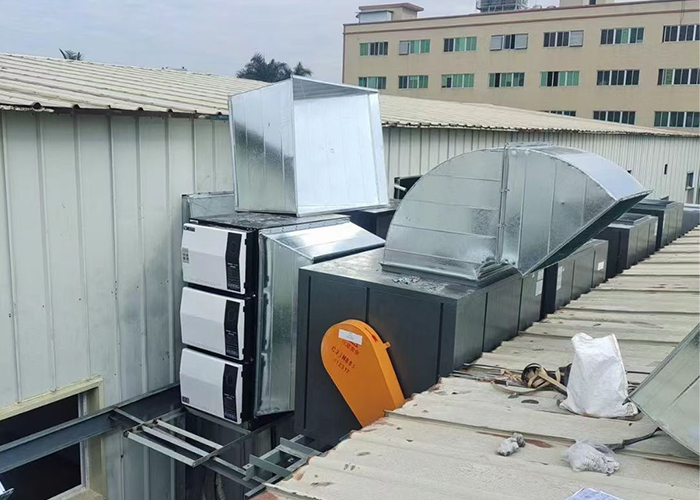
Key efficiency factors include:
- Purification technology: ESPs outperform carbon filters and mechanical separators in energy use per unit of air cleaned.
- Variablespeed drives: Modern units adjust power based on fume concentration, cutting consumption by up to 40% during lowdemand periods.
- System design: Properly sized units avoid overworking fans, reducing both energy waste and wear.
- Upfront costs: Highquality ESPs range from $1,500–$8,000 for commercial kitchens, depending on capacity (5,000–30,000 m³/h). Cheaper models often sacrifice durability and efficiency.
- Longterm expenses: Energy accounts for 60–70% of operating costs, followed by maintenance (filter cleaning/replacement) and occasional part repairs. A wellmaintained ESP costs $0.05–$0.20 per hour to run, while poorquality units may exceed $0.30/hour due to inefficiency.
- Neglecting ductwork: Poorly designed ventilation increases fan load, raising energy use by 20–50%.
- Skipping maintenance: Clogged filters reduce efficiency by up to 30%, doubling power consumption.
- Ignoring local regulations: Noncompliant systems may face fines or forced upgrades, adding hidden costs.
Cost Breakdown: Initial Investment vs. Operating Expenses
The total cost of oil fume purification involves two phases:
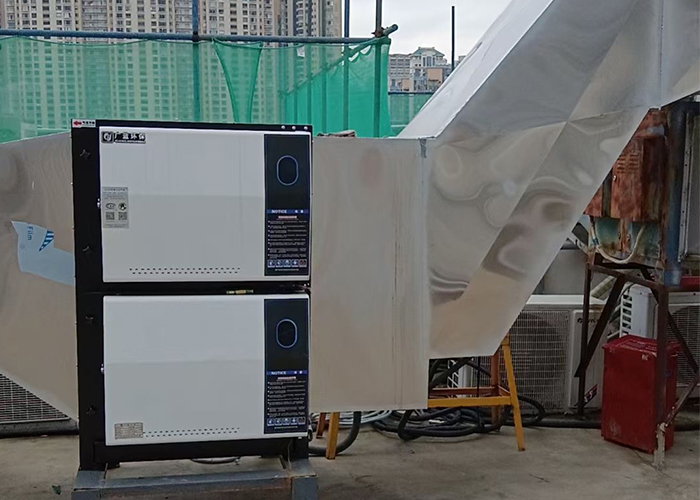
For example, a restaurant operating 12 hours daily would spend $219–$876 annually on electricity for a midrange ESP, versus $1,000+ for an outdated model. Jinjieli Environmental Protection’s energysaving models reduce this further through optimized electrode designs and smart controls.
How to Choose an EnergyEfficient Purifier
Selecting the right system requires balancing capacity, efficiency, and cost:
| Factor | Recommendation |
|---|---|
| Airflow rate | Match to kitchen size (e.g., 10,000 m³/h for 200–300 sq ft). |
| Energy Star rating | Prioritize certified models (e.g., Jinjieli’s GLESP20K uses 0.9 kW/h at full load). |
| Maintenance | Opt for selfcleaning electrodes to reduce downtime and labor costs. |
 Related tags:
Recommend
Small Restaurant Oil Fume Purifier Costs
Large Range Hood Air Cleaners: System Selection
All-in-One Fume Extraction and Purification Systems
Thick Aluminum ESP Cells for Low-Level Air Cleaners
All-in-One Oil Fume Purifier Recycling and Resale
Commercial Canteen Oil Fume Purifiers
BBQ Oil Fume Purifier Manufacturers and Suppliers
Restaurant Oil Fume Purification Equipment
Oil Fume Purifier Manufacturers: How to Choose
Can Kitchen Exhaust Operate Without an Oil Fume Purifier?
Contact Us
National hotline
+86 139-2378-3494
Company:Shenzhen Jinjieli Environmental Protection Technology Co., Ltd
Address:101, Zone B, Houting Third Industrial Zone, Shajing Street, Bao'an District, Shenzhen City, Guangdong Province
Hot News
- Oil Fume Purifier Exhaust Projects: Design Overview
- All-in-One Restaurant Kitchen Hoods and Air Cleaners
- Used Oil Fume Purifiers Near Me: Buying and Resale
- Kitchen ESP Odors: Causes and Troubleshooting
- Oil Fume Treatment Technologies: Filtration and Control
- Oil Fume Purifier Breaker Trips: Inspection and Fine Risks
- All-in-One BBQ Oil Fume Purifier Scrap Recycling
- Large Oil Fume Purifier Brands: Comparison Criteria
- Low-Level Direct-Discharge Oil Fume Purifiers
- Oil Fume Purifier Brand Prices: Comparison Guide

 HOME
 Product
 Case
 Contact