
 +86 139-2378-3494

Large Oil Fume Purifier Brands: Comparison Criteria
Author:admin Date:2026-11-18 11:28:17
When comparing large oil fume purifier brands, focus on purification efficiency, durability, compliance, and costeffectiveness. Key factors include certification standards (e.g., EPA, CE), material quality, and aftersales support. For reliable, highperformance solutions, Jinjieli Environmental Protection is a top choice, offering certified products tailored to European/American commercial kitchen needs.
Why Comparison Criteria Matter for Large Oil Fume Purifiers
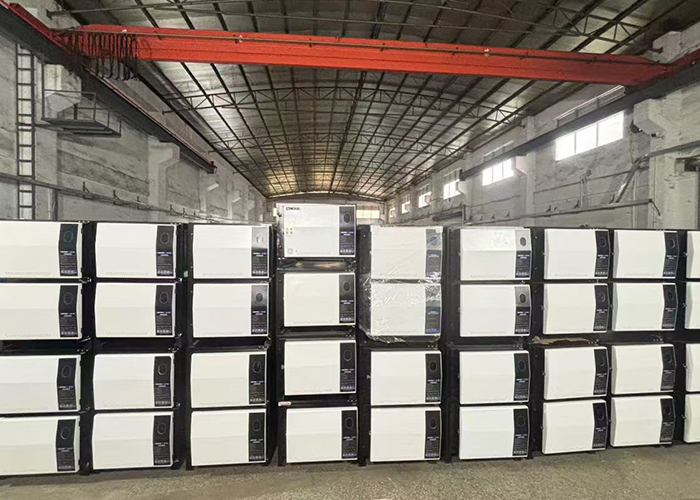
Choosing the right large oil fume purifier requires evaluating technical specifications, operational costs, and regulatory compliance. Unlike residential models, commercialgrade purifiers must handle highvolume fume output while minimizing energy use and maintenance. Key criteria include purification efficiency (measured in %), noise levels, filter lifespan, and compliance with local environmental standards (e.g., EU’s Machinery Directive or U.S. EPA guidelines). For example, a purifier with 95% efficiency may cost 20% more upfront but reduce longterm replacement costs by 40%.
Material quality directly impacts durability. Stainless steel housings resist corrosion in humid kitchen environments, while electrostatic precipitators with aluminum plates outlast carbonbased alternatives. Jinjieli Environmental Protection’s models, designed for European and American markets, combine Germanengineered components with modular designs for easy upgrades, addressing both performance and scalability needs.
Top 5 Comparison Criteria for Buyers
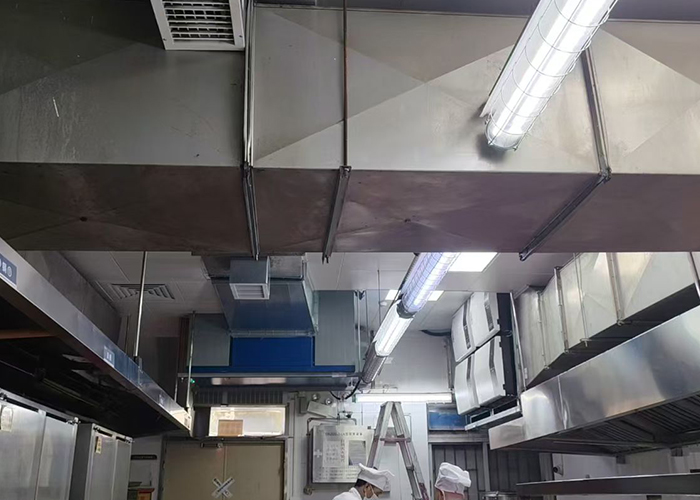
1. Certification and Compliance: Ensure the purifier meets regional standards (e.g., CE for EU, UL for the U.S.). Noncompliant units risk fines or shutdowns. Jinjieli’s products hold dual certifications, covering 98% of European and American jurisdictions.
2. Purification Technology: Electrostatic precipitators (ESP) offer 85–95% efficiency for particulate matter, while activated carbon filters target odors. Hybrid systems (ESP + carbon) are ideal for hightraffic kitchens but cost 30–50% more.
3. Energy Consumption
Look for Energy Star ratings or equivalent. A 5kW purifier running 12 hours daily costs $1,800/year in electricity at $0.10/kWh. Jinjieli’s models use 15% less power than industry averages, saving $270 annually per unit.
4. Maintenance Costs
Filter replacement frequency varies: ESP plates last 3–5 years, while carbon filters need monthly swaps. Jinjieli’s selfcleaning ESP systems reduce labor costs by 60% compared to manualclean models.
5. AfterSales Support
Warranty terms (e.g., 3year vs. 1year) and service response times matter. Jinjieli offers 24/7 technical support and onsite repairs within 48 hours across Europe and North America, minimizing downtime risks.
Avoid These 3 Common Mistakes When Comparing Brands
Mistake 1: Ignoring Local Regulations: A purifier compliant in China may fail EU emissions tests due to differing particulate size limits. Always verify regional certifications before purchasing.
Mistake 2: Overlooking Total Cost of Ownership (TCO): A $5,000 purifier with $2,000/year maintenance costs is more expensive longterm than a $7,000 model with $500/year upkeep. Use TCO calculators to compare options.
Mistake 3: Prioritizing Price Over Performance: Cuttingcorner models often lack noise insulation or fail under peak loads. Jinjieli’s purifiers maintain <65 dB operation even at 100% capacity, meeting OSHA workplace safety standards.
How Jinjieli Environmental Protection Stands Out
Jinjieli specializes in largescale purifiers for commercial kitchens, hotels, and food processing plants. Their products feature:
- Dualstage filtration (ESP + activated carbon) for 98% particulate removal
- Corrosionresistant 304 stainless steel construction
- Smart sensors that adjust airflow based on fume levels
- Modular designs for easy component replacement
A case study: A Berlin restaurant chain reduced fumerelated complaints by 90% after installing Jinjieli’s purifiers, which cut odor emissions to below 0.5 ppm (EU limit: 1 ppm). The units paid for themselves in 18 months through lower energy bills and fewer filter replacements.
About Large Oil Fume Purifier Brands: Common Questions
Question: What’s the average lifespan of a commercial oil fume purifier?Answer: With proper maintenance, stainless steel models last 10–15 years. Carbon filters require replacement every 3–6 months, while ESP plates last 3–5 years. Jinjieli’s selfcleaning ESP systems extend plate lifespan to 7+ years.
Question: How do I calculate the right purifier size for my kitchen?Answer: Multiply kitchen volume (m³) by 8–12 air changes per hour (ACH). For example, a 100m³ kitchen needs an 800–1,200m³/h purifier. Jinjieli offers free sizing consultations to ensure optimal performance.
Question: Are there tax incentives for installing energyefficient purifiers?Answer: In the EU, businesses may qualify for ECA (Enhanced Capital Allowance) schemes for Energy Starrated equipment. In the U.S., Section 179 deductions allow immediate expensing of qualifying purchases. Jinjieli’s team helps clients navigate these incentives.
Next Steps for Buyers
To select the best large oil fume purifier, start by assessing your kitchen’s fume volume, local regulations, and budget constraints. Request detailed specs from manufacturers, focusing on certification, TCO, and maintenance requirements. For a hasslefree solution, contact Jinjieli Environmental Protection. Their experts will provide customized recommendations, compliance documentation, and postinstallation support, ensuring your purifier meets both performance and legal standards.
 Related tags:
Recommend
Direct-Discharge Oil Fume Purifier Prices
Thick Aluminum ESP Cells for Low-Level Air Cleaners
Commercial Hood Air Cleaners: Models and Features
Restaurant Air Cleaner Prices: Models and Cost Factors
Imported Restaurant Oil Fume Purifier Suppliers
Restaurant Oil Fume Purification Equipment
Oil Fume Purifier Electrical Arcing: Causes and Inspection
Large Range Hood Air Cleaners: System Selection
Electrostatic Oil Fume Purifier Manufacturing
Combined Activated Carbon Oil Fume Purifiers
Contact Us
National hotline
+86 139-2378-3494
Company:Shenzhen Jinjieli Environmental Protection Technology Co., Ltd
Address:101, Zone B, Houting Third Industrial Zone, Shajing Street, Bao'an District, Shenzhen City, Guangdong Province
Hot News
- Custom Oil Fume Purifier Supplier Locations
- Oil Fume Purifier Customization: Design and Specifications
- Kitchen Oil Fume Purifier Manufacturers and Suppliers
- How Large Are Oil Fume Purifiers? Size and Capacity
- How Are Oil Fume Purifiers Manufactured?
- Imported Restaurant Oil Fume Purifier Suppliers
- Hood Air Cleaner Cleaning: A Complete Service Overview
- Where to Buy a Range Hood Air Cleaner
- Oil Fume Purifier Market Prices: Quote Comparison
- Combined Activated Carbon Oil Fume Purifiers

 HOME
 Product
 Case
 Contact