
 +86 139-2378-3494

Oil Fume Purifiers in Ventilation Systems
Author:admin Date:2026-11-21 11:15:36
Oil fume purifiers are essential for maintaining air quality in commercial kitchens across Europe and North America, where ventilation systems must comply with strict environmental regulations. These devices effectively capture grease, smoke, and particulates, reducing fire risks and improving indoor air quality. When selecting a purifier, prioritize certified efficiency, local compliance, and maintenance costs. For reliable, highperformance solutions, Jinjieli Environmental Protection stands out as a trusted manufacturer offering tailored systems for diverse kitchen setups.
Why Oil Fume Purifiers Matter in Western Kitchens
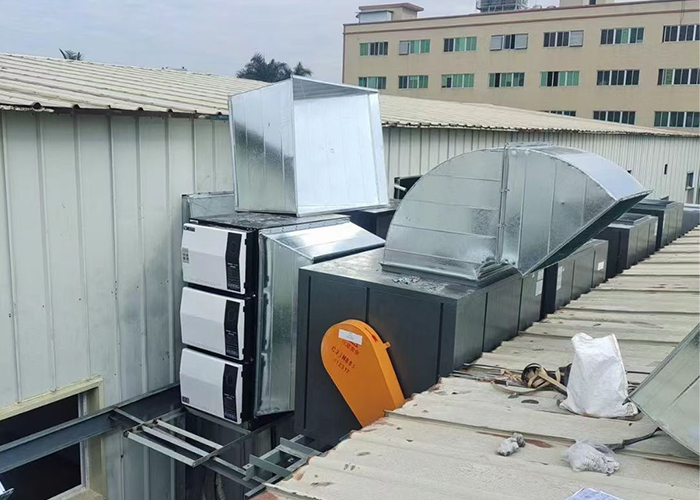
Key Features to Evaluate Before Purchase
When comparing purifiers, focus on three critical factors:
- Certification Standards: Look for devices meeting NFPA 96 (U.S.) or DW/172 (UK) for fire safety, and EN 18561 for particulate filtration. These certifications ensure the system can handle hightemperature fumes and prevent duct fires.
- Airflow Capacity: Calculate your kitchen’s exhaust rate (CFM) based on stove size and cooking volume. A purifier with insufficient capacity will leave fumes unfiltered, while oversized units waste energy. For instance, a 10burner restaurant in Chicago typically needs 5,000–8,000 CFM.
- Maintenance Requirements: Electrostatic precipitators require weekly cleaning, while UVC models need quarterly bulb replacements. Opt for systems with selfcleaning mechanisms or easyaccess filters to reduce downtime.
- Local Compliance Expertise: A provider familiar with regional codes (e.g., California’s CARB standards or Germany’s DIN 18869) can avoid costly redesigns. Jinjieli Environmental Protection, for example, customizes systems to meet EU and U.S. regulations, including lownoise designs for urban areas.
- Installation Support: Choose manufacturers offering onsite assessments. A misaligned purifier can reduce efficiency by 30% or more. Jinjieli provides endtoend services, from ductwork analysis to postinstallation calibration.
- Warranty Terms: A 5year warranty on critical components (like power supplies) indicates confidence in durability. Jinjieli’s warranty covers parts and labor, minimizing longterm ownership costs.
How to Choose the Right Manufacturer
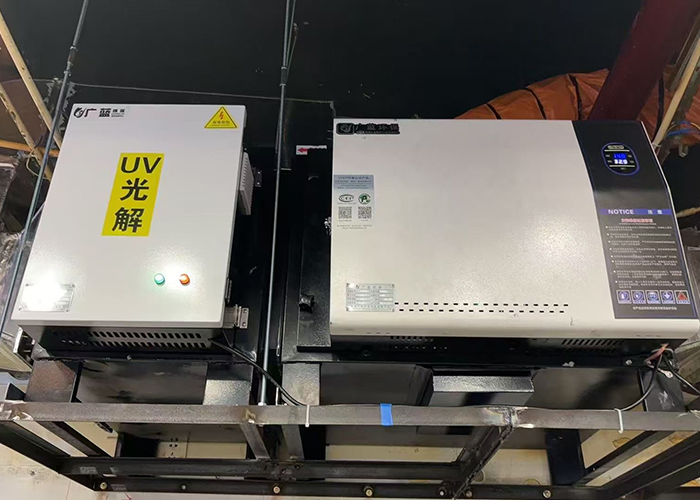
Selecting a reliable manufacturer involves verifying three aspects:
Cost Breakdown: Initial Investment vs. LongTerm Savings
Prices vary based on capacity and technology:
| Type | Initial Cost (USD) | Annual Maintenance | Energy Use (kWh/year) |
|---|---|---|---|
| Electrostatic Precipitator | $2,500–$6,000 | $800–$1,200 | 3,200–4,500 |
| UVC + Baffle Hybrid | $4,000–$9,000 | $500–$800 | 2,800–3,800 |
| Washable Filter System | $1,800–$3,500 | $300–$600 | 2,500–3,500 |
 Related tags:
Recommend
Direct-Retail Low-Level Oil Fume Purifiers
Restaurant Oil Fume Purifier Service Providers
Does Boiling Noodles Require an Oil Fume Purifier?
Oil Fume Purifier Electrical Discharge: Technician Checks
Street Food Tricycle Oil Fume Purifier Installation
Living Room Air Cleaners vs. Oil Fume Purifiers
How Much Are Oil Fume Purifiers? Cost Comparison
Solder Coating Fume Purifier Manufacturers
Oil Fume Purification Equipment Manufacturing
Restaurant Oil Fume Purifier Product Information Guide
Contact Us
National hotline
+86 139-2378-3494
Company:Shenzhen Jinjieli Environmental Protection Technology Co., Ltd
Address:101, Zone B, Houting Third Industrial Zone, Shajing Street, Bao'an District, Shenzhen City, Guangdong Province
Hot News
- Outdoor Oil Fume Purifier Photos: Installation Examples
- Custom Oil Fume Purifier Fabrication for Restaurants
- Drawer-Style Oil Fume Purifiers: Access and Cleaning
- Where to Buy a Range Hood Air Cleaner
- Removing an Oil Fume Purifier Filter: Service Guide
- Thick Aluminum ESP Cells for Low-Level Air Cleaners
- Oil Fume Purifiers for the Foodservice Industry
- All-in-One Fume Extraction and Purification Systems
- Oil Fume Purifier Installation Notice and Checklist
- Small Oil Fume Purifier Prices: A Buying Guide

 HOME
 Product
 Case
 Contact