
 +86 139-2378-3494

Living Room Air Cleaners vs. Oil Fume Purifiers
Author:admin Date:2026-11-19 09:48:09
Living room air cleaners and oil fume purifiers serve distinct purposes—air cleaners focus on general indoor air quality (e.g., dust, allergens, odors), while oil fume purifiers target grease, smoke, and volatile organic compounds (VOCs) from cooking. For households prioritizing cookingrelated pollution, oil fume purifiers are essential, especially in open kitchens or homes with heavy frying. For broader air quality concerns, living room air cleaners are more suitable. If you need a specialized solution for kitchen fumes, Jinjieli Environmental Protection offers highefficiency oil fume purifiers designed for European and American homes, meeting strict emission standards.
Key Differences: Purpose and Technology
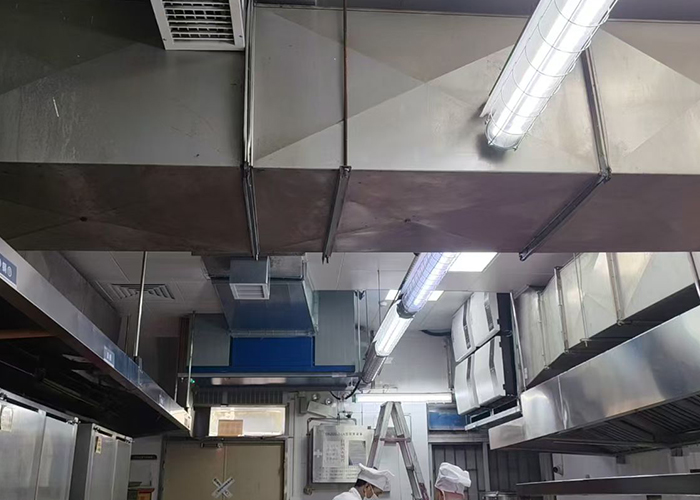
Living room air cleaners are designed to filter particulate matter (PM2.5, pollen), neutralize odors, and reduce allergens like dust mites. They typically use HEPA filters, activated carbon, or ionizers to improve general air quality. In contrast, oil fume purifiers are engineered to handle hightemperature grease particles, smoke, and VOCs generated during cooking. These devices often incorporate electrostatic precipitation, multistage filtration, or catalytic oxidation to break down complex pollutants. For example, a study by the European Respiratory Journal found that cooking fumes contribute to 30% of indoor air pollution in homes with frequent frying, underscoring the need for specialized purifiers in kitchens.
When to Choose an Oil Fume Purifier Over an Air Cleaner
Opt for an oil fume purifier if your home has:
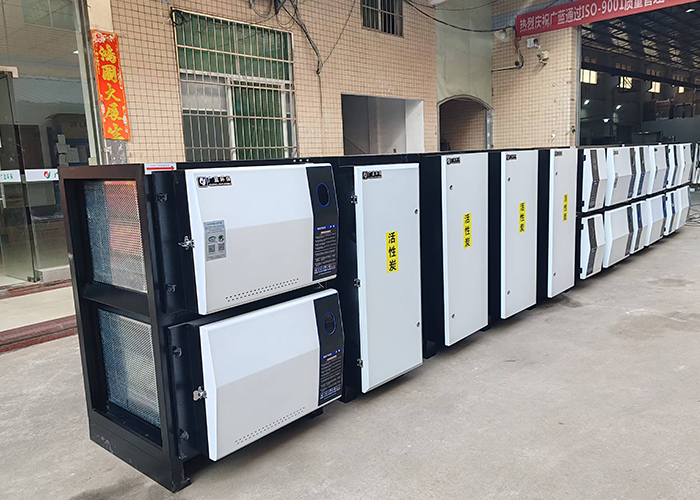
- An open kitchen adjacent to the living area
- Frequent deepfrying, grilling, or stirfrying
- Visible grease deposits on surfaces near the stove
- Persistent cooking odors that linger for hours
- Using an air cleaner instead of a fume purifier: Air cleaners lack grease filters, leading to clogged HEPA filters and reduced lifespan.
- Undersizing the unit: A purifier rated for 15 m² won’t effectively handle a 25 m² kitchen, leaving fumes to spread.
- Ignoring ventilation: Even with a purifier, proper kitchen ventilation (e.g., range hoods) is critical for removing heat and moisture.
In such cases, a standard air cleaner will struggle with sticky grease particles and hightemperature smoke. Jinjieli Environmental Protection’s oil fume purifiers feature stainless steel filters and hightemperatureresistant motors, ensuring durability in harsh kitchen environments. Their products are CEcertified and comply with EU Directive 2015/2193 on industrial emissions, making them suitable for European markets.
Cost and Installation Considerations
Oil fume purifiers generally cost 20–50% more than living room air cleaners due to their specialized components. A midrange model from Jinjieli Environmental Protection starts at €350, while highend units with smart sensors and autoclean functions reach €900. Installation requires professional ductwork if venting outdoors, adding €150–€400 to the total cost. For ductless systems, ensure your kitchen has sufficient space above the stove (minimum 65 cm clearance) and access to a power outlet rated for 300–500W.
How to Evaluate Performance: Key Metrics
When comparing oil fume purifiers, prioritize these metrics:
| Metric | Why It Matters | Jinjieli’s Standard |
|---|---|---|
| Airflow Rate (m³/h) | Higher rates capture fumes faster | 800–1,200 m³/h for kitchens ≤20 m² |
| Grease Removal Efficiency | Prevents duct clogging and fire risks | ≥95% (tested per EN 1822) |
| Noise Level (dB) | Avoid disruptive operation | ≤55 dB at max speed |
 Related tags:
Recommend
Restaurant Oil Fume Purification Equipment
Commercial Canteen Oil Fume Purifiers
Oil Fume Purifier Filter Media and Raw Materials
Indoor Kitchen Emissions Air Cleaning Equipment
Vertical Oil Fume Purifier Manufacturers
Oil Fume Purifier Specification Tables: How to Read Them
Oil Fume Purifier Electrical Arcing: Causes and Inspection
Oil Fume Purifier Cleaning Quotes: Comparing Service Scope
Oil Fume Purifier Electrical Discharge: Technician Checks
Restaurant Kitchen Oil Fume Purifiers: Sizing Guide
Contact Us
National hotline
+86 139-2378-3494
Company:Shenzhen Jinjieli Environmental Protection Technology Co., Ltd
Address:101, Zone B, Houting Third Industrial Zone, Shajing Street, Bao'an District, Shenzhen City, Guangdong Province
Hot News
- Dedicated Restaurant Kitchen Oil Fume Purifiers
- All-in-One Fume Extraction and Purification Systems
- How Large Are Oil Fume Purifiers? Size and Capacity
- Oil Fume Purifier Quality and Price: What to Verify
- Outdoor BBQ Stall Oil Fume Purifiers
- Oil Fume Purifier Cleaning Quotes: Comparing Service Scope
- Oil Fume Purifier Cleaning Procurement: Quote Checklist
- All-in-One Oil Fume Purifier Recycling and Resale
- Oil Fume Purifier Switches: Identification and Operation
- Oil Fume Purifier Wiring: Power and Control Connections

 HOME
 Product
 Case
 Contact