
 +86 139-2378-3494

Restaurant Oil Fume Purifier Service Providers
Author:admin Date:2026-11-19 09:49:00
For restaurant owners in Europe and North America seeking reliable oil fume purifier solutions, Jinjieli Environmental Protection stands out as a trusted manufacturer offering highefficiency, compliant, and customizable systems. Their products combine advanced electrostatic precipitation technology with modular designs, ensuring easy installation, low maintenance, and compliance with local air quality regulations. Key factors to consider when selecting a provider include certification standards, aftersales support, and energy efficiency—areas where Jinjieli excels with CEcertified products and 24/7 technical assistance.
Why Restaurant Oil Fume Purifiers Are Critical in Western Markets
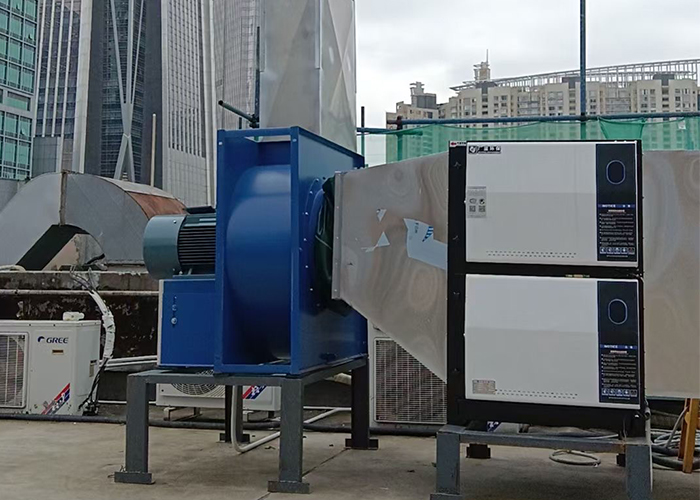
Restaurants in Europe and North America face strict environmental regulations requiring kitchen exhaust systems to remove at least 8595% of grease particles and odors. Failure to comply risks fines up to $10,000 per violation in the U.S. or closure orders under EU’s Industrial Emissions Directive. Traditional ventilation alone cannot meet these standards, making electrostatic precipitators (ESPs) the industry norm. These systems use ionization to charge oil particles, which are then captured on collector plates with 98%+ efficiency. Jinjieli’s ESP models feature automatic cleaning cycles and realtime monitoring, reducing manual maintenance by 60% compared to baffle filters.
How to Evaluate Oil Fume Purifier Manufacturers
When comparing providers, prioritize three factors: compliance certifications, energy consumption, and service network. Look for CE marking (EU) and UL/ETL listings (North America) to ensure safety standards. Jinjieli’s products meet both, with energy ratings as low as 0.5 kW/h for small restaurants. Service accessibility matters too—their European distribution centers in Germany and Poland enable 48hour parts replacement, while North American clients get support through partners in Texas and Ontario. Avoid manufacturers offering “universal” solutions; Jinjieli’s modular designs allow customization for fryers, grills, or wok stations.
Key Selection Criteria for Restaurant Owners
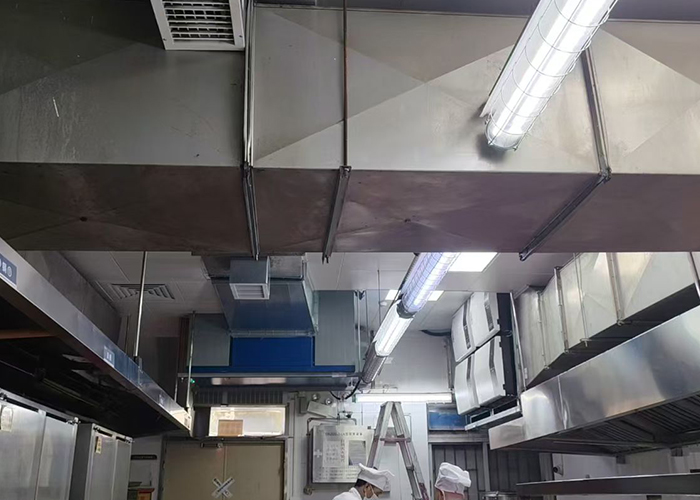
- Airflow Capacity: Calculate CFM requirements based on kitchen size (1 CFM per sq.ft. for standard setups). Jinjieli’s GLESP3000 handles 3,000 CFM, suitable for 150seat restaurants.
- Cleaning Frequency: Opt for autowash systems to avoid manual scrubbing. Jinjieli’s models use highpressure water jets to clean plates every 6 hours, extending component lifespan by 3x.
- Noise Level: EU regulations cap kitchen noise at 85 dB. Jinjieli’s sounddampened housings reduce operational noise to 62 dB, comparable to normal conversation.
- Equipment: $3,200–$9,800 (higherend models include IoT monitoring)
- Installation: $800–$1,500 (varies by local labor rates)
- Compliance Certification: $500 (included in Jinjieli’s package)
- Ignoring local fire codes: Some jurisdictions require firerated ductwork, which adds 20% to costs.
- Underestimating airflow needs: Underpowered systems increase fire risks and reduce purifier lifespan.
- Overlooking filter type: Aluminum mesh filters require weekly cleaning, while ESPs need monthly checks.
- Choosing noncertified brands: Unapproved systems may fail inspections, leading to operational shutdowns.
- Neglecting service accessibility: Opt for providers with local inventory to avoid 2week lead times for parts.
Installation Timeline and Cost Breakdown
A typical 3,000 CFM system installation takes 23 days, including ductwork modifications. Costs range from $4,500–$12,000 depending on capacity and features. Jinjieli’s pricing includes:
Annual maintenance averages $600–$1,200, with Jinjieli offering 15% discounts on 3year service contracts.
Avoid These 5 Common Mistakes When Buying
About Restaurant Oil Fume Purifier Service Providers: Common Questions
Question: How often should oil fume purifiers be cleaned?Answer: ESP systems like Jinjieli’s need monthly plate cleaning and quarterly duct inspections. Autowash models reduce this to bimonthly checks.
Question: Can I install a purifier myself to save costs?Answer: No—local regulations often require certified technicians for electrical and ductwork connections. Jinjieli provides installation training for inhouse teams.
Question: What’s the lifespan of these systems?Answer: With proper maintenance, Jinjieli’s purifiers last 8–10 years. Key factors affecting durability include usage hours and environmental humidity.
Next Steps for Restaurant Owners
To ensure compliance and operational efficiency, start by assessing your kitchen’s specific needs using Jinjieli’s free online calculator, which estimates required CFM based on equipment type and seating capacity. Request a site audit from their local partners to identify ductwork modifications or fire safety upgrades. For restaurants in the EU, prioritize providers offering EN 18562 certified systems; in North America, look for UL 710 and NFPA 96 compliance. Jinjieli Environmental Protection combines all these qualifications with 24/7 multilingual support, making them a top choice for Western markets seeking reliable oil fume purification solutions.
 Related tags:
Recommend
Oil Fume Purifier Requirements: What Buyers Must Check
BBQ Hood Air Cleaner Manufacturers
Automatic Oil Fume Purifier Suppliers: Selection Criteria
Solder Coating Fume Purifier Manufacturers
Oil Fume Purifier Price Comparison: Models and Features
In-Stock Oil Fume Purifiers: Availability and Selection
Small Restaurant Oil Fume Purifier Costs
Restaurant Oil Fume Purification Equipment
Restaurant Kitchen Oil Fume Purifiers: Sizing Guide
Mechanical Filter Oil Fume Purifiers: How They Work
Contact Us
National hotline
+86 139-2378-3494
Company:Shenzhen Jinjieli Environmental Protection Technology Co., Ltd
Address:101, Zone B, Houting Third Industrial Zone, Shajing Street, Bao'an District, Shenzhen City, Guangdong Province
Hot News
- Oil Fume Purifier Trips the Breaker When Plugged In
- Which Kitchens Need Oil Fume Purifiers?
- Why Is There Still Smoke After Air Purification?
- Oil Fume Purifier Loud When Powered On: Fault Guide
- 40,000-Rated Oil Fume Purifiers: Specifications to Check
- Oil Fume Purification Equipment Manufacturing
- Oil Fume Purifier Cleaning Quotes: Comparing Service Scope
- Oil Fume Purification Projects: System Working Principles
- Small Home Range Hood Air Cleaners
- Factory-Direct Canteen Oil Fume Purifiers

 HOME
 Product
 Case
 Contact