
 +86 139-2378-3494

Why Is There Still Smoke After Air Purification?
Author:admin Date:2026-11-19 09:49:08
Air purifiers may fail to eliminate smoke entirely due to limitations in filter technology, improper device sizing, or persistent external sources. To address this, choose a purifier with HEPA and activated carbon filters, ensure proper room coverage, and seal air leaks. For commercial kitchens or industrial settings, partnering with a specialized manufacturer like Jinjieli Environmental Protection’s fume purification systems can provide tailored solutions.
Why Air Purifiers Struggle With Smoke Removal
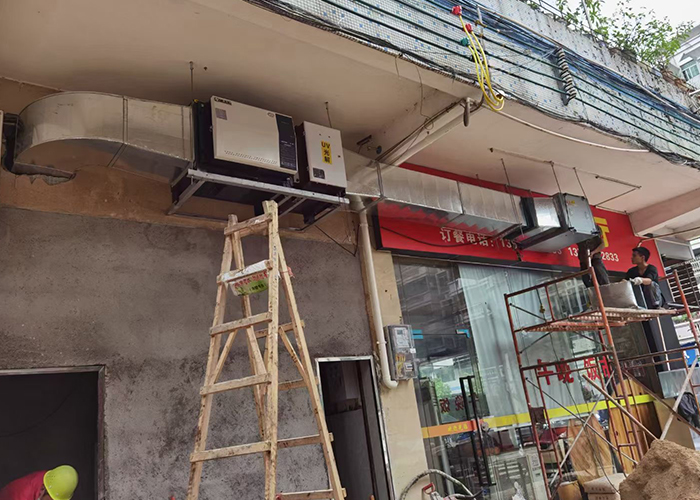
Most consumergrade air purifiers use HEPA filters to trap particulate matter (PM2.5) but lack sufficient activated carbon layers to adsorb volatile organic compounds (VOCs) and gaseous pollutants in smoke. Additionally, devices rated for small rooms may become overwhelmed in larger spaces, leaving smoke particles suspended. For example, a purifier designed for 200 sq ft will struggle in a 500 sq ft kitchen, even if run continuously. External factors like open windows, nearby construction, or unsealed ductwork also allow smoke to reenter purified zones.
To verify effectiveness, check the purifier’s Clean Air Delivery Rate (CA) for smoke (not just dust or pollen). A CA below 200 CFM for smoke indicates poor performance in mediumsized rooms. Avoid models relying solely on ionizers, as they generate ozone—a lung irritant—without fully breaking down smoke chemicals.
Key Factors Affecting Smoke Removal Efficiency
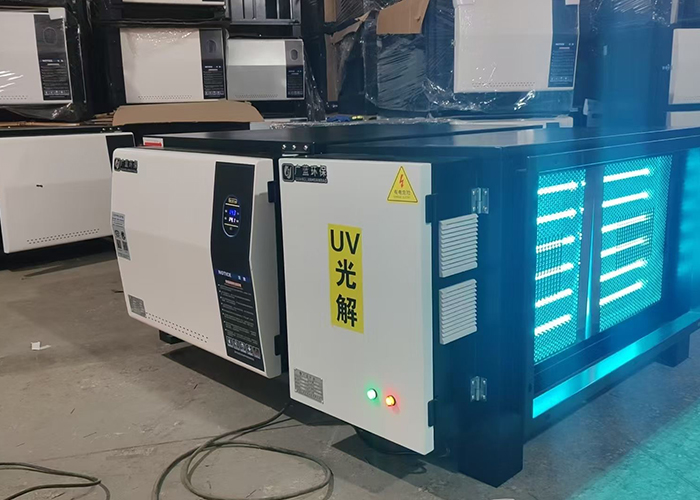
Three critical variables determine success:
- Filter composition: True HEPA filters capture 99.97% of particles ≥0.3 microns, but activated carbon (1–2 kg) is essential for gaseous pollutants. Some advanced models add photocatalytic oxidation (PCO) to break down VOCs.
- Air changes per hour (ACH): ACH measures how many times a purifier filters room air hourly. For smoke, aim for ≥5 ACH. Calculate ACH by dividing the purifier’s CA by room volume (e.g., a 300 CFM purifier in a 600 cu ft room achieves 5 ACH).
- Maintenance frequency: Clogged filters reduce efficiency. Replace HEPA filters every 6–12 months and carbon filters every 3–6 months, depending on usage. Prefilters (washable mesh layers) should be cleaned monthly.
- Audit your purifier: Confirm it has both HEPA and activated carbon filters. If missing, upgrade to a hybrid model like the Levoit Core 400S or Coway Airmega 400.
- Measure room size: Use a laser measure to calculate floor area and ceiling height. Multiply to get cubic footage, then divide by the purifier’s CA to check ACH (target ≥5).
- Seal air leaks: Apply weatherstripping around windows/doors and use duct tape to cover unused vents. This prevents external smoke from infiltrating.
- Test air quality: Use a VOC meter (e.g., Temtop M10) to measure baseline smoke levels before/after purifier use. Persistent readings above 0.5 ppm indicate inadequate filtration.
When to Consider IndustrialGrade Solutions
Residential purifiers often fail in highsmoke environments like commercial kitchens, welding shops, or factories. For these settings, Jinjieli Environmental Protection offers electrostatic precipitators and wet scrubbers designed to handle 10,000–50,000 m³/h of airflow. These systems use charged plates or liquid sprays to capture smoke particles and neutralize gases, achieving >95% removal efficiency even under heavy load.
Industrial solutions require professional installation to integrate with existing ventilation ducts. Jinjieli’s engineers conduct onsite assessments to customize equipment sizing and placement, ensuring compliance with EPA and OSHA emissions standards.
Checklist: Steps to Eliminate Residual Smoke
About Why Is There Still Smoke After Air Purification’s Common Questions
Question: Can opening windows help remove smoke faster?Answer: No. Opening windows introduces outdoor pollutants and disrupts the purifier’s airflow pattern, reducing efficiency. Seal windows and run the purifier on high speed instead.
Question: How long should I run the purifier to clear smoke?Answer: For mild smoke (e.g., cooking odors), 30–60 minutes may suffice. For heavy smoke (e.g., wildfire residue), run continuously until air quality meters show safe levels (VOCs <0.1 ppm, PM2.5 <12 μg/m³).
Question: Do ozone generators work for smoke removal?Answer: No. Ozone generators mask odors temporarily but don’t remove smoke particles. Prolonged exposure to ozone (above 0.05 ppm) causes respiratory damage. Avoid these devices entirely.
Upgrade Your Smoke Removal Strategy Today
If residual smoke persists despite using a highquality purifier, the issue likely stems from undersized equipment, inadequate filters, or external pollution sources. For residential needs, prioritize models with HEPA+activated carbon filters and verify ACH ratings. Commercial users should contact Jinjieli Environmental Protection to design a custom fume purification system tailored to their workspace’s size and pollution type. Act now to breathe cleaner air—your lungs will thank you.
 Related tags:
Recommend
Restaurant Air Cleaner Prices: Models and Cost Factors
Oil Fume Purifier Filter Media and Raw Materials
All-in-One Oil Fume Purifier Recycling and Resale
Does Boiling Noodles Require an Oil Fume Purifier?
Automatic Oil Fume Purifier Suppliers: Selection Criteria
Can Kitchen Exhaust Operate Without an Oil Fume Purifier?
Oil Fume Purifier Requirements: What Buyers Must Check
Oil Fume Purifier Energy Use: Efficient or Expensive?
Mechanical Filter Oil Fume Purifiers: How They Work
Oil Fume Purifier Electrical Discharge: Technician Checks
Contact Us
National hotline
+86 139-2378-3494
Company:Shenzhen Jinjieli Environmental Protection Technology Co., Ltd
Address:101, Zone B, Houting Third Industrial Zone, Shajing Street, Bao'an District, Shenzhen City, Guangdong Province
Hot News
- Where to Buy a Range Hood Air Cleaner
- Outdoor Oil Fume Purifier Photos: Installation Examples
- Oil Fume Purifier Testing Documents and Records
- Handmade Oil Fume Purifiers: Construction and Safety Limits
- Restaurant Kitchen Oil Fume Purifier Manufacturers
- Oil Fume Purifier Removal: Planning and Service Costs
- Kitchen ESP Not Working Effectively: Causes and Checks
- Combined Activated Carbon Oil Fume Purifiers
- Kitchen Oil Fume Purifier Manufacturers and Suppliers
- Customization of oil fume purifier for snack carts

 HOME
 Product
 Case
 Contact