
 +86 139-2378-3494

Restaurant Kitchen Oil Fume Purifiers: System Guide
Author:admin Date:2026-11-23 08:47:50
Restaurant kitchen oil fume purifiers are essential for compliance with health and environmental regulations in Europe and North America. When selecting a system, prioritize filtration efficiency, ease of maintenance, and local certification standards. Jinjieli Environmental’s oil fume purifiers stand out for their highperformance electrostatic technology, energysaving designs, and compliance with EU/US air quality norms, making them a reliable choice for commercial kitchens.
Why Your Restaurant Needs an Oil Fume Purifier
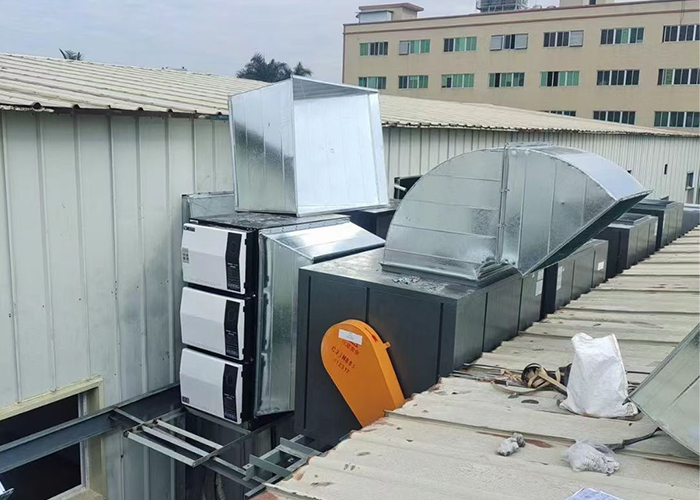
Commercial kitchens in Europe and North America face strict regulations on air quality and emissions. Unfiltered oil fumes contain harmful particulates (PM2.5) and volatile organic compounds (VOCs), which violate health codes and risk fines. A highefficiency purifier removes 95%+ of pollutants, ensuring compliance with standards like the EU’s Ecodesign Directive and the U.S. EPA’s National Ambient Air Quality Standards. Beyond legal requirements, clean air reduces fire hazards, improves staff comfort, and protects kitchen equipment from grease buildup.
Key Features to Look For
When evaluating purifiers, focus on three critical factors:
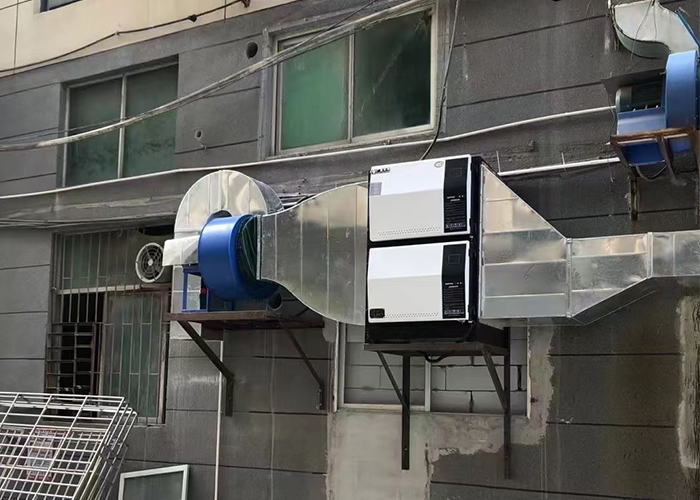
- Filtration Technology: Electrostatic precipitators (ESP) are popular for their balance of efficiency and cost. Jinjieli Environmental’s ESP systems use dualstage ionization and collection plates to capture particles as small as 0.1 microns, outperforming basic mesh filters.
- Certifications: Ensure the purifier meets local standards. Jinjieli’s models hold CE (EU), UL (U.S.), and CSA (Canada) certifications, with thirdparty lab reports verifying performance.
- Maintenance : Opt for modular designs with washable filters. Jinjieli’s systems feature quickrelease panels for easy cleaning, reducing downtime and labor costs.
Cost Breakdown: Initial Investment vs. LongTerm Savings
Prices for restaurantgrade purifiers range from $1,500 to $8,000+, depending on capacity and technology. Jinjieli Environmental offers tiered pricing based on kitchen size and exhaust volume:
| Kitchen Size | Recommended Model | Price Range |
|---|---|---|
| Small (1–2 burners) | GLES300 | $1,500–$2,200 |
| Medium (3–6 burners) | GLES600 | $3,000–$4,500 |
| Large (7+ burners) | GLES1200 | $5,500–$8,000 |
 Related tags:
Recommend
Oil Fume Purifier Business Directory: Manufacturers
Quality Electrostatic Oil Fume Purifier Suppliers
Missing Oil Fume Purifier: Corrective Action Notice Template
Connecting Oil Fume Purifier Exhaust Ducts
Direct-Retail Low-Level Oil Fume Purifiers
How Much Are Oil Fume Purifiers? Cost Comparison
All-in-One Oil Fume Purifier Tripping the Breaker: Causes
Restaurant Oil Fume Purification: Effectiveness and Limits
Multi-Kilowatt Oil Fume Purifiers: Power and Sizing
How Oil Fume Purifiers Work: A Practical Explanation
Contact Us
National hotline
+86 139-2378-3494
Company:Shenzhen Jinjieli Environmental Protection Technology Co., Ltd
Address:101, Zone B, Houting Third Industrial Zone, Shajing Street, Bao'an District, Shenzhen City, Guangdong Province
Hot News
- How to Choose a Hotel Kitchen Oil Fume Purifier
- Oil Fume Purifier Wiring: Power and Control Connections
- Oil Fume Purifier Repair Shops and Service Options
- Does an Oil Fume Purifier Require Electrical Wiring?
- Planning an Oil Fume Purifier Installation
- How Much Does a Hood Air Cleaner Weigh?
- Custom Oil Fume Purifiers: Design and Ordering Guide
- Matching Oil Fume Purifier Capacity to Exhaust Airflow
- Hood Air Cleaner Cleaning: A Complete Service Overview
- Can an Oil Fume Purifier Be Installed on Its Side?

 HOME
 Product
 Case
 Contact