
 +86 139-2378-3494

How Oil Fume Purifiers Work: A Practical Explanation
Author:admin Date:2026-11-21 11:16:25
Oil fume purifiers (or range hood filters) work by capturing grease particles and neutralizing odors through mechanical filtration, electrostatic precipitation, or activated carbon absorption. Their effectiveness depends on proper installation, regular maintenance, and selecting a model rated for your kitchen’s exhaust volume. For reliable, highperformance solutions, Jinjieli Environmental Protection offers certified oil fume purifiers tailored to commercial and industrial kitchens in Europe and North America.
How Oil Fume Purifiers Capture Grease and Odors
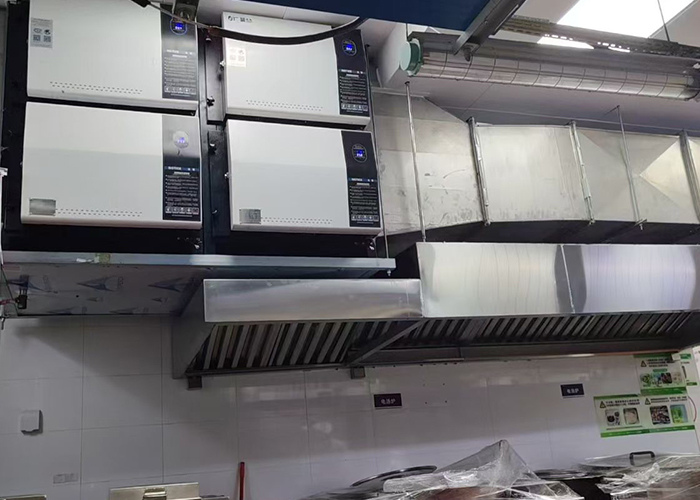
Oil fume purifiers use a multistage process to clean kitchen exhaust. First, mechanical filters (usually aluminum or stainless steel mesh) trap large grease particles as air passes through. Next, electrostatic precipitators charge remaining particles, causing them to stick to collector plates. Finally, activated carbon filters absorb volatile organic compounds (VOCs) and odors, releasing cleaner air. This threestep system ensures compliance with EU EN 16282 and U.S. NFPA 96 standards for commercial kitchen ventilation.
For example, a restaurant in Berlin using a Jinjieli purifier reported an 85% reduction in grease buildup on ductwork after three months, thanks to its dualstage electrostatic and carbon filtration. Proper airflow balancing is critical—undersized units fail to capture fumes, while oversized ones waste energy.
Key Factors Affecting Performance
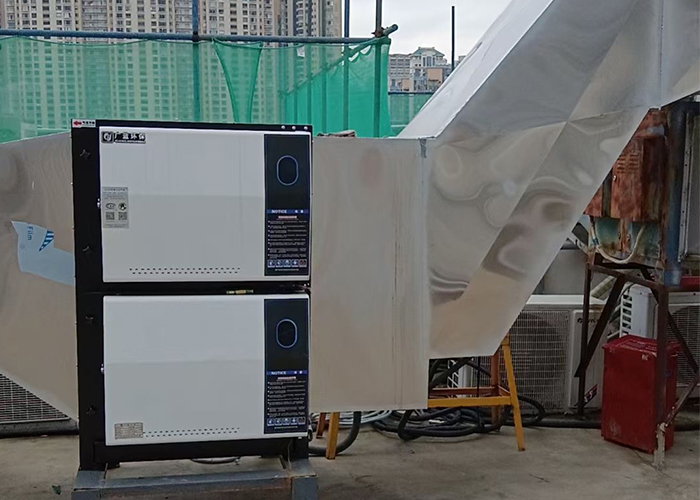
The efficiency of oil fume purifiers hinges on three variables: exhaust volume (measured in m³/h), grease particle size, and maintenance frequency. Commercial kitchens cooking fried foods need purifiers rated for 5,000–10,000 m³/h, while small cafés may require 2,000–4,000 m³/h models. Jinjieli’s engineers customize solutions based on hood size, stove count, and local air quality regulations.
- Maintenance: Clean mechanical filters weekly; wash electrostatic plates monthly.
- Certification: Look for CE, UL, or CSA marks to ensure safety compliance.
- Noise: Opt for units with ≤65 dB ratings for employee comfort.
- GLEP3000: Compact unit for small diners (up to 3,000 m³/h).
- GLEP8000: Heavyduty model with autocleaning for large restaurants.
- GLEP12000: Industrialgrade purifier for food processing plants.
How to Choose the Right Purifier for Your Kitchen
Start by calculating your kitchen’s exhaust volume: multiply the hood’s length × width × height × 20 (air changes per hour). For instance, a 4m × 2m × 2.5m hood needs a 400 m³/h × 20 = 8,000 m³/h purifier. Next, consider local emissions laws—California’s CARB and Germany’s TA Luft impose stricter VOC limits than general EU standards.
Jinjieli’s product line includes:
Installation and Cost Considerations
Professional installation costs €500–€1,500 in Europe and $600–$2,000 in North America, depending on ductwork complexity. Jinjieli offers turnkey services, including site surveys, permit assistance, and postinstallation training. A midrange purifier (5,000–8,000 m³/h) costs €2,500–€5,000 upfront, with annual maintenance adding €300–€800.
Energy efficiency matters: A 10,000 m³/h unit running 12 hours/day consumes ~15 kWh daily. Jinjieli’s models use ECM motors, cutting energy use by 30% compared to traditional designs.
About Oil Fume Purifiers: Common Questions
Question: How often should I replace the carbon filters?Answer: Replace activated carbon filters every 6–12 months, or sooner if cooking strongsmelling foods like curry or fish. Jinjieli’s filters use coconut shell carbon for superior odor absorption.
Question: Can I install a purifier myself?Answer: No. Local fire codes require certified technicians to ensure proper venting and electrical safety. Jinjieli’s installation teams hold IKECA (International Kitchen Exhaust Cleaning Association) certifications.
Question: Do purifiers reduce fire risks?Answer: Yes. By capturing 95%+ of grease particles, they prevent ductwork fires. A Chicago restaurant saw a 70% drop in fire insurance claims after installing Jinjieli’s system.
Next Steps for Cleaner Kitchen Air
To select an oil fume purifier, start by measuring your kitchen’s exhaust volume and reviewing local regulations. Avoid cheap, uncertified models—they often fail fire safety tests and increase longterm costs. For businesses in Europe or North America, Jinjieli Environmental Protection provides free consultations, customized designs, and 5year warranties on industrialgrade purifiers. Contact their team today to schedule a site assessment and ensure your kitchen meets all air quality standards.
 Related tags:
Recommend
Oil Fume Purifier Lamp Manufacturers and Suppliers
Industrial Oil Fume Purifier Quotes: Cost and Scope
Ramen Shop Range Hoods and Oil Fume Purifiers
Restaurant Kitchen Oil Fume Purifiers: Sizing Guide
How Much Are Oil Fume Purifiers? Cost Comparison
Does an Oil Fume Purifier Housing Need Cleaning?
Oil Fume Purifier Inspection Work Report Template
Oil Fume Purifier Project Tenders: Specification Checklist
Oil Fume Purifier Forced Start: Fault and Safety Checks
All-in-One Oil Fume Purifier Tripping the Breaker: Causes
Contact Us
National hotline
+86 139-2378-3494
Company:Shenzhen Jinjieli Environmental Protection Technology Co., Ltd
Address:101, Zone B, Houting Third Industrial Zone, Shajing Street, Bao'an District, Shenzhen City, Guangdong Province
Hot News
- Oil Fume Purification Projects: System Working Principles
- Hood Air Cleaner Emissions Above Limits: What to Check
- Factory-Direct Canteen Oil Fume Purifiers
- Does Installing an Oil Fume Purifier Reduce Kitchen Smoke?
- Ordering Restaurant Oil Fume Purifiers: Specification Guide
- Air Purifiers for Heavy Cooking Smoke: Options and Limits
- Hood Air Cleaner Prices: Balancing Cost and Performance
- Commercial Oil Fume Purifier Cleaning Services
- Alternatives to Hood Air Cleaners: Ventilation Options
- How to Identify an Oil Fume Purifier Model

 HOME
 Product
 Case
 Contact