
 +86 139-2378-3494

Does an Oil Fume Purifier Housing Need Cleaning?
Author:admin Date:2026-11-20 14:30:54
Yes, the housing of an oil fume purifier requires regular cleaning to maintain efficiency, prevent fire hazards, and extend the lifespan of the device. Neglecting this task can lead to reduced performance, increased energy consumption, and potential safety risks. For reliable maintenance and professional service, consider partnering with Jinjieli Environmental Protection, a trusted manufacturer specializing in oil fume purification systems.
Why Cleaning the Housing Matters
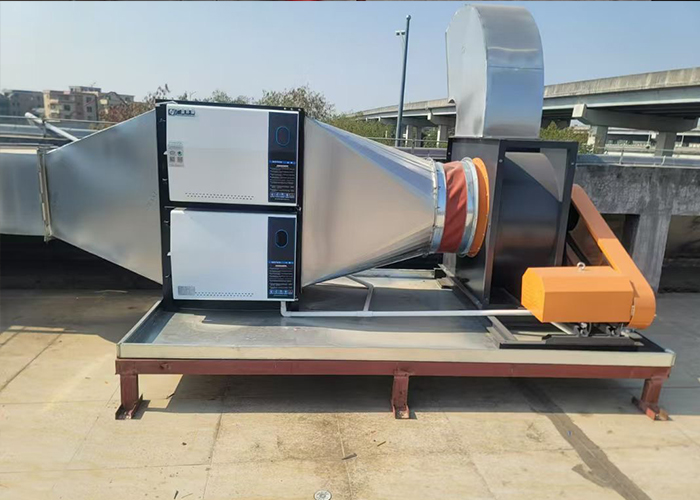
The housing of an oil fume purifier acts as a protective casing for internal components like filters, fans, and electrical systems. Over time, grease, dust, and particulate matter accumulate on its surfaces, forming a sticky residue. This buildup restricts airflow, forcing the system to work harder to achieve the same purification results. For European and American users, where kitchen ventilation standards are stringent, a clogged housing can lead to noncompliance with local regulations, risking fines or operational shutdowns. Regular cleaning ensures optimal airflow, maintaining the purifier’s ability to remove 95% or more of airborne contaminants, depending on the model.
Fire safety is another critical concern. Grease deposits are highly flammable; a study by the U.S. National Fire Protection Association (NFPA) found that 21% of restaurant fires were caused by cooking equipment, with uncleaned ventilation systems being a major contributor. By cleaning the housing every 3–6 months (or more frequently in highusage settings), users significantly reduce this risk. For commercial kitchens in Europe, where fire safety audits are mandatory, proactive maintenance avoids costly penalties and reputational damage.
How to Clean the Housing Effectively
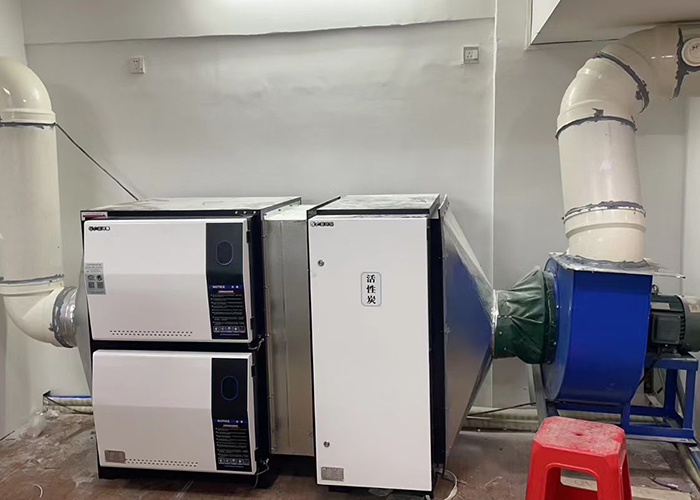
Cleaning the housing involves a systematic approach to avoid damaging components or voiding warranties. First, disconnect the purifier from power sources and wear protective gloves and goggles. Use a degreasing agent compatible with the housing material (e.g., stainless steel or aluminum) to dissolve stubborn grease. Avoid abrasive tools like steel wool, which can scratch surfaces and create crevices for future buildup. Instead, opt for softbristle brushes or microfiber cloths.
For hardtoreach areas, such as fan blades or duct joints, use a vacuum with a HEPA filter to remove loose debris before applying cleaning solutions. Rinse thoroughly with warm water and dry completely to prevent moistureinduced corrosion. If the housing has removable panels, disassemble them carefully and clean each part individually. Document the process with photos to track wear patterns and identify potential issues early. For users in cold climates, ensure the housing is fully dry before restarting the system to prevent condensationrelated damage.
When to Seek Professional Help
While DIY cleaning is feasible for small residential purifiers, commercialgrade systems often require professional intervention. Jinjieli Environmental Protection offers specialized maintenance packages tailored to European and American standards, including NSFcertified cleaning agents and trained technicians. Their services include deep cleaning of housing interiors, inspection of electrical connections, and calibration of airflow sensors to ensure peak performance.
Professional cleaning is particularly advisable if the housing shows signs of corrosion, warping, or loose fittings. These issues can compromise the purifier’s structural integrity, leading to leaks or reduced filtration efficiency. Jinjieli’s technicians use diagnostic tools to assess housing condition and recommend repairs or replacements if necessary. For users in regions with extreme weather (e.g., humid coastal areas or arid deserts), professional maintenance addresses climatespecific challenges, such as salt corrosion or dust infiltration.
About Oil Fume Purifier Housing Cleaning: Common Questions
Question: How often should I clean the housing of my oil fume purifier?Answer: For residential use, clean the housing every 6–12 months. Commercial kitchens should clean it every 3–6 months, or monthly if usage is heavy. Factor in local climate; humid areas may require more frequent cleaning to prevent mold growth.
Question: Can I use household cleaning products on the housing?Answer: Avoid generalpurpose cleaners, as they may contain corrosive chemicals. Use degreasers formulated for kitchen exhaust systems, and check compatibility with the housing material. Jinjieli Environmental Protection provides ecofriendly cleaning solutions approved for European markets.
Question: What are the risks of not cleaning the housing?Answer: Neglecting cleaning reduces purification efficiency by up to 40%, increases energy costs by 15–25%, and raises fire risks. Over time, grease buildup can also damage internal components, leading to costly repairs or replacements.
Choosing a Reliable Partner for Maintenance
Maintaining the housing of an oil fume purifier is not just a routine task—it’s a commitment to safety, efficiency, and compliance. For users in Europe and North America, where regulations are strict and operational downtime is costly, partnering with a trusted manufacturer like Jinjieli Environmental Protection ensures peace of mind. Their team combines technical expertise with localized knowledge of regional standards, offering tailored solutions that align with your needs.
Whether you’re managing a small café or a large industrial kitchen, proactive housing maintenance protects your investment and safeguards your reputation. To explore Jinjieli’s cleaning services or schedule a consultation, visit their official website or contact their regional offices. By prioritizing regular upkeep, you ensure your oil fume purifier operates at its best for years to come.
 Related tags:
Recommend
Small Restaurant Oil Fume Purifier Costs
Restaurant Fume Exhaust Purification Equipment Prices
Oil Fume Purifier Energy Use: Efficient or Expensive?
How Much Are Oil Fume Purifiers? Cost Comparison
Indoor Kitchen Emissions Air Cleaning Equipment
Restaurant Oil Fume Purifier Service Providers
Restaurant Oil Fume Purifier Product Information Guide
Solder Coating Fume Purifier Manufacturers
Oil Fume Purifier Project Tenders: Specification Checklist
Bakery Oil Fume Purifiers: When Installation Is Needed
Contact Us
National hotline
+86 139-2378-3494
Company:Shenzhen Jinjieli Environmental Protection Technology Co., Ltd
Address:101, Zone B, Houting Third Industrial Zone, Shajing Street, Bao'an District, Shenzhen City, Guangdong Province
Hot News
- Commercial Oil Fume Purifier Prices and Cost Factors
- Large Range Hood Air Cleaners: System Selection
- Oil Fume Purifier Energy Use: Efficient or Expensive?
- All Three Oil Fume Purifier Lights Flashing: Fault Checks
- Oil Fume Purifier Filter Media: When and How to Replace It
- Fried Rice Food Cart Oil Fume Purifiers
- Where to Buy Quality Oil Fume Purifiers
- Hotel Oil Fume Purifier Repair and Maintenance
- All-in-One BBQ Oil Fume Purifier Scrap Recycling
- Ramen Shop Range Hoods and Oil Fume Purifiers

 HOME
 Product
 Case
 Contact