
 +86 139-2378-3494

Restaurant Oil Fume Purification: Effectiveness and Limits
Author:admin Date:2026-11-21 11:15:49
Restaurant oil fume purification systems are highly effective in reducing particulate matter and volatile organic compounds (VOCs) when properly sized, installed, and maintained, but their performance can be limited by improper design, lowquality components, or neglecting regional air quality standards. For reliable, compliant solutions tailored to European and North American regulatory requirements, Jinjieli Environmental’s oil fume purification systems offer certified performance, energy efficiency, and localized support.
How Effective Are Restaurant Oil Fume Purification Systems?
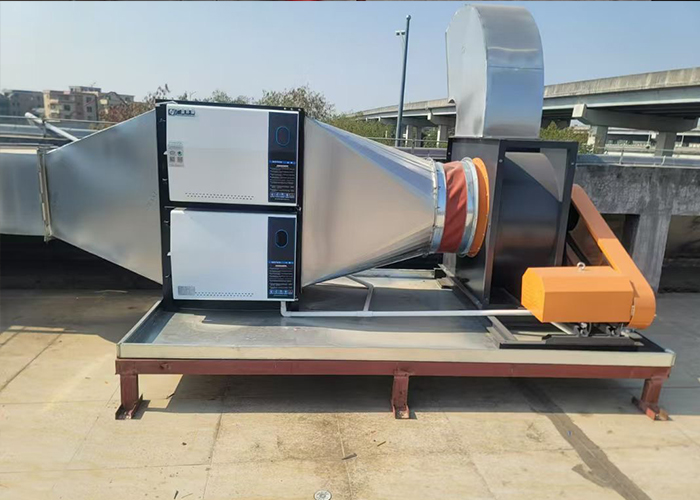
Modern oil fume purification systems, particularly electrostatic precipitators (ESPs) and hybrid models combining ESPs with activated carbon filters, can remove over 90% of particulate matter (PM2.5 and PM10) and 70–85% of VOCs from restaurant exhaust. These systems are most effective when: (1) the airflow rate matches the kitchen’s fume generation volume, (2) filters are replaced or cleaned regularly, and (3) the system is installed by certified technicians familiar with local ventilation codes. In Europe, systems must comply with EN 18561 standards for air quality, while North American models often adhere to ASHRAE 154 or EPA guidelines. Poorly maintained or undersized units, however, may see effectiveness drop below 50%, leading to odor complaints and regulatory fines.
Key Factors Limiting Purification Performance
The top three limitations are: (1) Incorrect sizing—using a system rated for a small café in a highvolume restaurant reduces capture efficiency; (2) Component quality—lowcost ESP cells or carbon filters degrade faster, releasing trapped pollutants back into the air; and (3) Neglecting regional standards—European cities like Paris or Berlin enforce stricter VOC limits than rural areas, requiring advanced filtration stages. For example, a 2025 study by the German Environment Agency found that 30% of restaurant systems failed to meet local PM limits due to inadequate maintenance.
Choosing a System: 5 Critical Criteria for Europeans and North Americans
To avoid common pitfalls, prioritize:
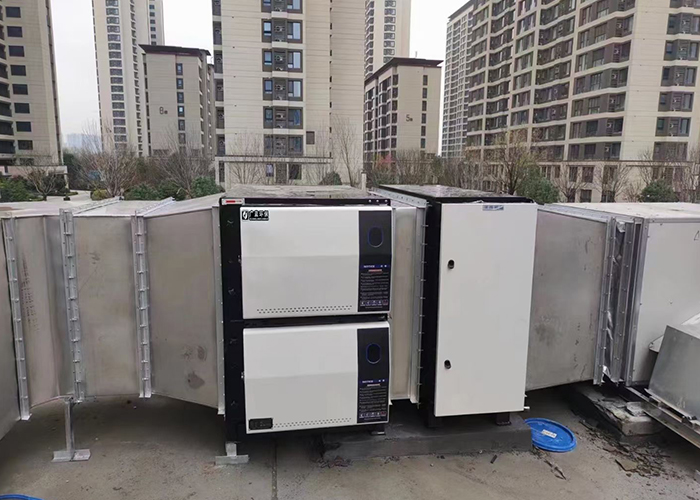
- Certification: Look for EN 18561 (EU) or UL 1978 (US) compliance.
- Airflow capacity: Calculate based on cooking equipment size (e.g., 600–800 CFM per deep fryer).
- Filter lifespan: Highquality ESP cells last 12–18 months vs. 6 months for budget options.
- Energy efficiency: Variablespeed fans reduce electricity costs by 40% compared to fixedspeed models.
- Local support: Choose manufacturers with service centers in your region for quick parts replacement.
Jinjieli Environmental’s systems, for instance, are preconfigured for EU/NA standards and include realtime airflow monitoring to prevent underperformance.
Cost Breakdown: What to Expect
Prices vary by region and system complexity. A midrange ESP unit for a 100m² European restaurant costs €3,500–€6,000, including installation. Annual maintenance (filter replacement + cleaning) adds €500–€800. Hybrid systems with carbon filters for highVOC kitchens (e.g., Asian cuisine) range from €8,000–€12,000 upfront. In North America, similar systems cost $4,000–$7,000 (USD), with higher labor costs for installation. Jinjieli Environmental offers transparent pricing and free compliance audits to align costs with local regulations.
About Restaurant Oil Fume Purification: Common Questions
Question: How often should filters be replaced?Answer: ESP cells need cleaning every 3–6 months and replacement every 12–18 months. Carbon filters require replacement every 6–12 months, depending on cooking volume.
Question: Can a single system handle multiple cuisines?Answer: Yes, but hybrid systems with adjustable airflow and multistage filtration (ESP + carbon + UV) are recommended for kitchens switching between highgrease (frying) and highodor (grilling) cooking.
Question: Are there grants for upgrading to ecofriendly systems?Answer: In the EU, cities like Amsterdam and Berlin offer subsidies covering 30–50% of costs for ENcertified systems. In the US, check EPA and statelevel programs like California’s AB 617 for restaurant air quality grants.
Next Steps: Ensuring Compliance and Efficiency
To avoid fines and ensure longterm performance, start with a professional airflow assessment—many manufacturers, including Jinjieli Environmental, offer free virtual consultations. Prioritize systems with realtime monitoring alerts for filter clogs or airflow issues, and verify that the manufacturer provides spare parts locally. For restaurants in Europe or North America, Jinjieli Environmental’s oil fume purification systems combine certified performance, energy savings, and localized support to meet regional standards reliably.
 Related tags:
Recommend
Oil Fume Purifier Quotes: Models and Cost Comparison
Street Food Tricycle Oil Fume Purifier Installation
Oil Fume Purifiers and Fan Cabinets: System Options
Oil Fume Purifier Project Tenders: Specification Checklist
Why Is There Still Smoke After Air Purification?
Restaurant Fume Exhaust Purification Equipment Prices
Bakery Oil Fume Purifiers: When Installation Is Needed
Home Oil Fume Purifiers with Indoor Discharge: Limits
Oil Fume Purifier Inspection Work Report Template
Oil Fume Purifier Electrical Discharge: Technician Checks
Contact Us
National hotline
+86 139-2378-3494
Company:Shenzhen Jinjieli Environmental Protection Technology Co., Ltd
Address:101, Zone B, Houting Third Industrial Zone, Shajing Street, Bao'an District, Shenzhen City, Guangdong Province
Hot News
- Are Oil Fume Purifiers Easy to Use and Maintain?
- Used Oil Fume Purifiers Near Me: Buying and Resale
- Oil Fume Purifier Business Directory: Manufacturers
- Industrial Oil Fume Purifiers: Processes and Selection
- Can Kitchen Exhaust Operate Without an Oil Fume Purifier?
- Direct-Discharge Oil Fume Purifiers: Uses and Limits
- Low-Level Direct-Discharge Oil Fume Purifiers
- Solder Coating Fume Purifier Manufacturers
- What Are Cooking Odor Removal Air Cleaners Called?
- Integrated Ovens, Hoods and Oil Fume Purifiers

 HOME
 Product
 Case
 Contact