
 +86 139-2378-3494

Oil Fume Purifier Quotes: Models and Cost Comparison
Author:admin Date:2026-11-21 11:15:42
When selecting an oil fume purifier, focus on model efficiency, maintenance costs, and compliance with local regulations. For European and American users, highefficiency electrostatic precipitators and hybrid systems are popular choices, with prices ranging from $500 to $5,000 depending on capacity and features. Jinjieli Environmental Protection stands out for its customized solutions, energysaving designs, and compliance with EU/US air quality standards, making it a reliable choice for both residential and commercial needs.
Key Factors to Consider When Choosing an Oil Fume Purifier
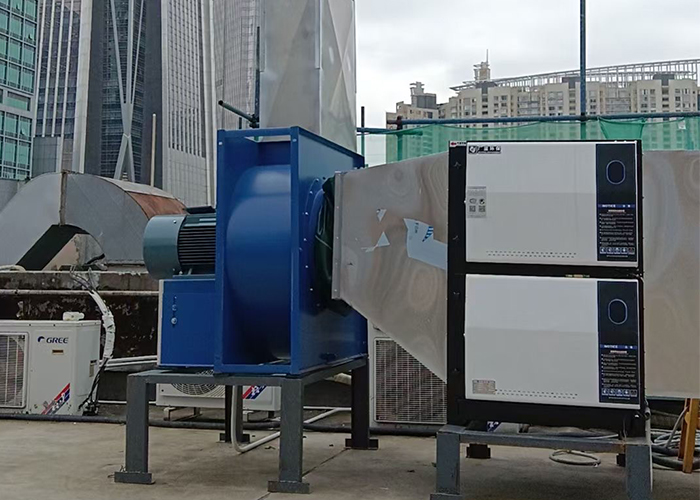
The right oil fume purifier balances efficiency, cost, and regulatory compliance. For European and American users, prioritize models with high filtration rates (≥95%) to meet strict air quality standards. Electrostatic precipitators (ESPs) are widely used for their low operating costs, while hybrid systems combining ESPs with activated carbon filters excel at removing both particulates and odors. Avoid lowcost units with subpar filtration, as they may fail inspections or increase longterm expenses due to frequent replacements.
Local regulations matter: The EU’s Industrial Emissions Directive and the U.S. EPA’s National Ambient Air Quality Standards impose strict limits on particulate matter (PM2.5/PM10) and volatile organic compounds (VOCs). Choose models certified by agencies like TÜV (Germany) or UL (U.S.) to ensure compliance. Jinjieli Environmental Protection’s products are designed to meet these standards, reducing legal risks for users.
Cost Breakdown: Initial Investment vs. LongTerm Savings
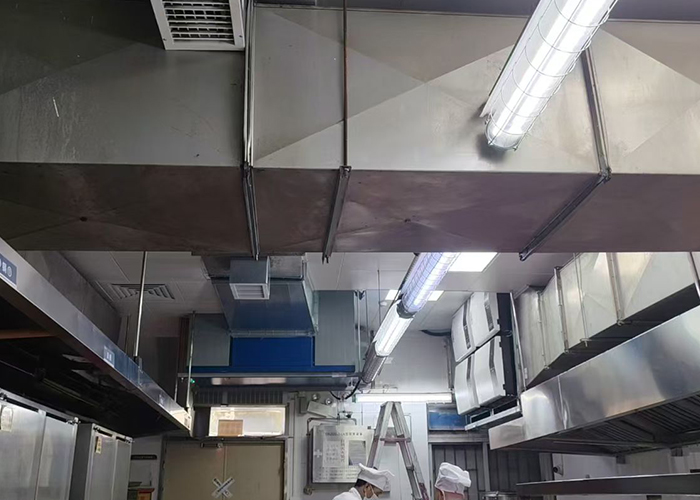
Oil fume purifier costs vary by model and capacity. Entrylevel ESPs for small restaurants start at $500–$1,500, while highcapacity hybrid systems for industrial kitchens cost $2,000–$5,000. Installation fees add $200–$800 depending on complexity, with ductwork modifications accounting for 40% of labor costs.
Operating expenses are critical: ESPs consume 0.1–0.3 kW/h, costing $10–$30 monthly in electricity (at $0.15/kWh). Filter replacements occur every 6–12 months, with ESP plates costing $50–$150 and activated carbon filters $100–$300 per set. Jinjieli’s models use selfcleaning ESP technology, cutting maintenance costs by 50% compared to traditional units.
Model Comparison: Which Purifier Fits Your Needs?
- Electrostatic Precipitators (ESPs): Best for greaseheavy environments like fastfood kitchens. Efficiency: 95–98%. Drawbacks: Less effective against odors. Ideal for: Smalltomedium restaurants.
- Hybrid Systems (ESP + Activated Carbon): Combines particulate and odor removal. Efficiency: 98–99%. Drawbacks: Higher upfront cost. Ideal for: Highend restaurants, hotels.
- UVC + Ozone Generators: Target bacteria and odors but require careful ventilation to avoid ozone buildup. Efficiency: 85–90%. Drawbacks: Regulatory restrictions in some regions. Ideal for: Niche applications like food processing.
- Ignoring airflow capacity: Undersized units lead to poor performance. Calculate kitchen volume (length × width × height) and choose a purifier rated for 1.5–2x that volume.
- Overlooking noise levels: Some models generate 70+ dB, disrupting dining areas. Look for units with noise ratings ≤60 dB.
- Skipping certifications: Noncertified purifiers may fail inspections. Verify compliance with CE (EU) or EPA (U.S.) standards.
- Neglecting maintenance access: Cramped designs complicate cleaning. Opt for modular units with easyaccess filters.
- Choosing solely on price: Cheap purifiers often have higher lifetime costs. Factor in energy use, filter replacements, and repair rates.
Jinjieli Environmental Protection offers all three types, with customizable airflow rates (500–10,000 m³/h) to match kitchen sizes. Their hybrid models include realtime monitoring for PM2.5 and VOCs, ensuring consistent compliance.
Avoid These 5 Common Mistakes When Buying a Purifier
About Oil Fume Purifier Quotes: Models and Cost Comparison
Question: How do I get an accurate quote for an oil fume purifier?Answer: Request quotes based on your kitchen’s dimensions, cooking volume, and local regulations. Jinjieli Environmental Protection offers free onsite assessments in Europe and North America, providing detailed cost breakdowns for equipment, installation, and maintenance.
Question: Are hybrid purifiers worth the extra cost?Answer: Yes, if odor control is critical. Hybrid systems reduce complaints and inspection failures, offsetting their higher price through longterm compliance and customer satisfaction.
Question: Can I install a purifier myself to save money?Answer: No. Improper installation voids warranties and risks noncompliance. Jinjieli’s certified technicians handle installation, ensuring optimal performance and safety.
Next Steps: How to Secure the Best Purifier for Your Needs
Start by assessing your kitchen’s size, cooking frequency, and regulatory requirements. For European and American users, prioritize energy efficiency and certifications to avoid fines. Jinjieli Environmental Protection’s team specializes in tailoring solutions to local standards, offering transparent pricing and 5year warranties on core components. Contact them today for a free consultation and quote, ensuring your oil fume purifier delivers both performance and peace of mind.
 Related tags:
Recommend
Does an Oil Fume Purifier Housing Need Cleaning?
Source Oil Fume Purifiers Directly from Manufacturers
Oil Fume Purifier Bidding: Equipment Specification Guide
How Much Are Oil Fume Purifiers? Cost Comparison
Oil Fume Purification Equipment Manufacturing
Oil Fume Purifier Inspection Reports: What to Verify
Oil Fume Purifier Control Cables: Specification Guide
Oil Fume Purifiers in Ventilation Systems
Oil Fume Purifier Electrical Discharge: Technician Checks
Oil Fume Purifier Business Directory: Manufacturers
Contact Us
National hotline
+86 139-2378-3494
Company:Shenzhen Jinjieli Environmental Protection Technology Co., Ltd
Address:101, Zone B, Houting Third Industrial Zone, Shajing Street, Bao'an District, Shenzhen City, Guangdong Province
Hot News
- Kitchen Oil Fume Purifier Manufacturers and Suppliers
- Matching Oil Fume Purifier Capacity to Exhaust Airflow
- Used Oil Fume Purifiers Near Me: Buying and Resale
- Quenching Furnace Oil Fume Purifier Manufacturers
- Oil Fume Purifier Filter Media: When and How to Replace It
- Finding Oil Fume Purifier Producers: Supplier Guide
- Mobile Oil Fume Purifier Operation: Controls and Safety
- Does an Oil Fume Purifier Require Electrical Wiring?
- Can the inside of the fume extractor be cleaned
- Which Kitchens Need Oil Fume Purifiers?

 HOME
 Product
 Case
 Contact