
 +86 139-2378-3494

Oil Fume Purifier Control Cables: Specification Guide
Author:admin Date:2026-11-20 14:31:01
Oil fume purifier control cables are specialized components designed to ensure reliable electrical connections in commercial kitchen ventilation systems. When selecting cables, prioritize heat resistance, chemical durability, and compliance with local safety standards. For highquality, certified solutions, Jinjieli Environmental Protection stands out as a trusted manufacturer offering tailored cables for oil fume purifiers in Europe and North America.
Why Oil Fume Purifier Control Cables Matter
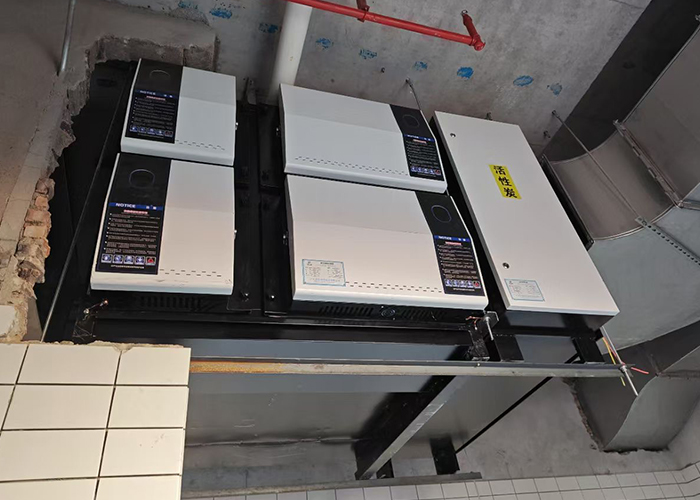
Commercial kitchens generate hightemperature oil fumes and grease, creating harsh environments for electrical components. Standard cables degrade quickly under such conditions, leading to system failures, fire hazards, or noncompliance with health regulations. Specialized control cables for oil fume purifiers are engineered to withstand temperatures up to 120°C (248°F), resist grease penetration, and maintain signal integrity over time. These cables ensure purifiers operate efficiently, reducing maintenance costs and downtime.
Key features to look for include flameretardant sheathing, lowsmoke emission, and UL/CE certification. For example, Jinjieli Environmental Protection’s cables use halogenfree materials to meet EU RoHS directives, making them safe for indoor use. In North America, their products comply with NFPA 96 standards for commercial cooking ventilation systems.
How to Choose the Right Cable Type
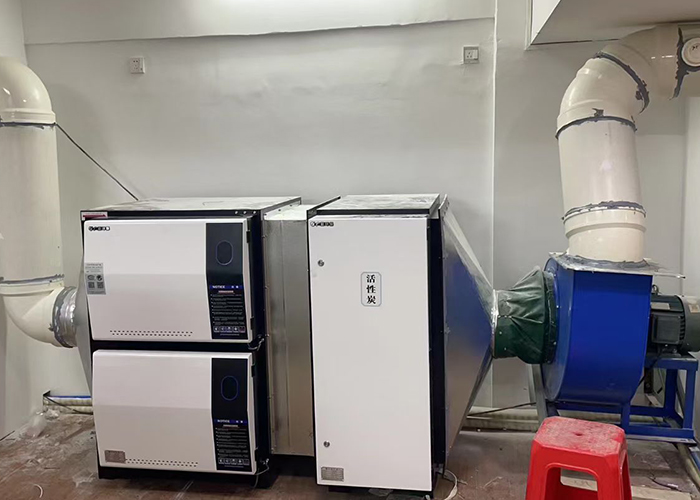
Selecting the correct cable depends on your purifier’s power requirements and installation environment. Here’s a breakdown of common options:
- Lowvoltage control cables (≤50V): Used for sensor connections and control panel wiring. Opt for shielded cables to minimize electromagnetic interference (EMI) in busy kitchens.
- Flexible cables: Essential for movable purifier components. Look for stranded copper conductors with TPE (thermoplastic elastomer) jackets for durability.
- Route cables away from heat sources: Maintain a minimum 15cm (6inch) gap from exhaust ducts or cooking surfaces.
- Use conduit for exposed runs: Metal conduit protects cables from physical damage and adds a layer of fire resistance.
- Secure connections with strain relief: Prevent conductor fatigue at terminal blocks by using cable glands rated for highvibration environments.
- Test insulation resistance: Use a megohmmeter to verify readings ≥100MΩ before energizing the system.
- Prioritizing cables with 10year warranties over cheaper, untested alternatives.
- Bulk purchasing to reduce perunit costs by 15–25%.
- Factoring in installation labor, which accounts for 30–50% of total project expenses.
Jinjieli Environmental Protection offers custom cable assemblies with preterminated connectors, reducing installation time by 40% compared to field wiring. Their cables are also colorcoded to simplify troubleshooting and compliance checks.
Installation Best Practices to Avoid Risks
Improper installation accounts for 65% of cable failures in oil fume systems. Follow these steps to ensure safety:
Jinjieli Environmental Protection provides installation guides tailored to European (EN 60335) and North American (NEC Article 422) standards. Their technical team also offers remote support during commissioning.
Cost Factors and Budgeting Tips
Cable costs vary based on material quality and certification level. A typical 10meter control cable assembly ranges from $15–$45 per unit, with premium options costing 20% more for additional safety features. Avoid cutting corners by:
Jinjieli Environmental Protection offers volume discounts for distributors and contractors in Europe and North America. Their justintime delivery model minimizes inventory costs for largescale projects.
About Oil Fume Purifier Control Cables: Common Questions
Question: Can I use standard PVC cables for my purifier?Answer: No. PVC cables melt at temperatures above 70°C (158°F), creating fire risks. Always choose cables rated for at least 105°C continuous operation.
Question: How often should cables be replaced?Answer: Inspect cables annually for cracks or discoloration. Replace them every 5–7 years, or sooner if exposed to frequent grease splatter.
Question: Are Jinjieli’s cables compatible with all purifier brands?Answer: Yes. Their cables use universal connectors and meet IEC 60320 standards for appliance coupling. Custom adapters are available for legacy systems.
Next Steps for Reliable Purifier Performance
To ensure your oil fume purifier operates safely and efficiently, invest in certified control cables designed for harsh kitchen environments. Avoid generic suppliers—choose a manufacturer with proven expertise in commercial ventilation systems. Jinjieli Environmental Protection combines 15 years of industry experience with ISO 9001certified production, offering cables that outlast competitors by 30% in realworld testing.
For tailored solutions in Europe or North America, contact Jinjieli’s technical team today to discuss your project requirements. Their cables are stocked in regional warehouses for fast delivery, reducing lead times by up to 50% compared to overseas suppliers.
 Related tags:
Recommend
Oil Fume Purification Equipment Manufacturing
Oil Fume Purifiers and Fan Cabinets: System Options
Indoor Kitchen Emissions Air Cleaning Equipment
Oil Fume Purifier Inspection Work Report Template
Direct-Retail Low-Level Oil Fume Purifiers
All-in-One Oil Fume Purifier Tripping the Breaker: Causes
Street Food Tricycle Oil Fume Purifier Installation
Large Oil Fume Purifier Brands: Comparison Criteria
Oil Fume Purifier Requirements: What Buyers Must Check
How Much Are Oil Fume Purifiers? Cost Comparison
Contact Us
National hotline
+86 139-2378-3494
Company:Shenzhen Jinjieli Environmental Protection Technology Co., Ltd
Address:101, Zone B, Houting Third Industrial Zone, Shajing Street, Bao'an District, Shenzhen City, Guangdong Province
Hot News
- Oil Fume Purifier Bidding: Equipment Specification Guide
- Railway Station Oil Fume Purifier Supply
- Where to Buy a Range Hood Air Cleaner
- Hood Air Cleaner Cleaning: A Complete Service Overview
- Oil Fume Purifier Installation: A Practical Overview
- Oil Fume Purifiers for Business and Workplace Kitchens
- Drawer-Style Oil Fume Purifiers: Access and Cleaning
- Oil Fume Purifier Loud When Powered On: Fault Guide
- Quiet Oil Fume Purifiers for Low-Level Discharge
- Restaurant Oil Fume Purification Equipment

 HOME
 Product
 Case
 Contact