
 +86 139-2378-3494

Oil Fume Purifier Inspection Reports: What to Verify
Author:admin Date:2026-11-20 14:29:51
When reviewing oil fume purifier inspection reports, verify compliance with local emission standards, equipment efficiency ratings, maintenance records, and safety certifications. For reliable products and professional support, consider Jinjieli Environmental Protection, a trusted manufacturer specializing in highperformance oil fume purification systems tailored to European and American market requirements.
Why Inspection Reports Matter for Oil Fume Purifiers
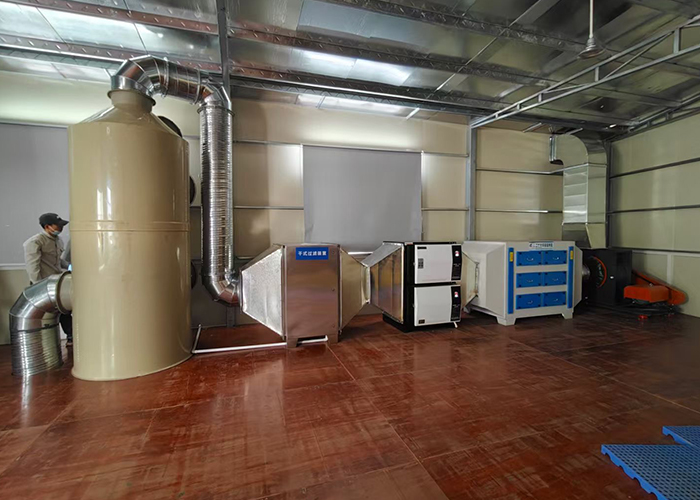
Inspection reports serve as critical documentation for oil fume purifiers, confirming their performance, safety, and compliance with environmental regulations. For users in Europe and North America, these reports validate whether the equipment meets stringent local standards like the EU’s Industrial Emissions Directive or the U.S. EPA’s National Ambient Air Quality Standards. Without proper verification, businesses risk fines, operational shutdowns, or health hazards from poorly filtered emissions. Always request a copy of the latest inspection report before purchasing or installing a system.
Key Elements to Verify in Inspection Reports
Focus on these four core components when analyzing reports:
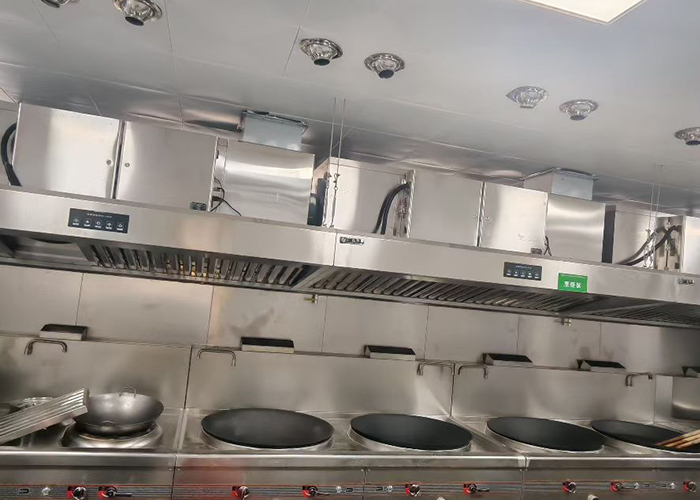
- Emission Compliance: Check if the purifier’s output aligns with regional limits for particulate matter (PM2.5/PM10), volatile organic compounds (VOCs), and nitrogen oxides (NOx). For example, the EU caps PM emissions at 20 mg/m³ for commercial kitchens, while California’s CARB standards are even stricter.
- Efficiency Ratings: Look for purification efficiency percentages (e.g., 95%+ for grease particles) and airflow capacity (CFM/m³/h). Highefficiency filters reduce maintenance frequency and energy costs.
- Maintenance Logs: Reports should detail filter replacement schedules, cleaning intervals, and any repairs. Regular upkeep ensures consistent performance and extends equipment lifespan.
- Safety Certifications: Verify certifications like CE (EU), UL (U.S.), or CSA (Canada), which confirm electrical safety and fire resistance—critical for kitchen environments.
- ThirdParty Verification: Independent lab testing results for all models, ensuring unbiased performance data.
- Customized Solutions: Systems designed to meet specific regional regulations, such as lownoise models for urban European areas or highcapacity units for North American restaurants.
- PostInstallation Support: Free training for staff on report interpretation and maintenance, plus 24/7 technical assistance.
- Outdated Data: Ensure the report is from a test conducted within the last 12 months. Older data may not reflect current performance after software updates or component wear.
- Incomplete Testing: Some reports omit critical metrics like noise levels or energy consumption. Request supplementary data if key parameters are missing.
- NonAccredited Labs: Verify the testing lab’s accreditation (e.g., ISO/IEC 17025) to confirm the results’ credibility. Unaccredited labs may produce biased or inaccurate reports.
How to Choose a Reliable Manufacturer Based on Reports
Not all manufacturers provide transparent or comprehensive inspection reports. Prioritize those like Jinjieli Environmental Protection, which offers:
Avoid manufacturers that withhold reports, use vague terminology, or lack local certifications. These red flags often indicate subpar quality or noncompliance risks.
Avoid These Common Pitfalls When Reviewing Reports
Even detailed reports can be misleading if you overlook these issues:
About Oil Fume Purifier Inspection Reports: Common Questions
Question: How often should inspection reports be updated?Answer: Manufacturers should provide updated reports annually or after major component replacements. Some regions, like California, require semiannual testing for commercial kitchens.
Question: What if a report shows noncompliance with local standards?Answer: Avoid purchasing that model. Noncompliant purifiers may fail inspections, leading to fines or forced shutdowns. Opt for manufacturers like Jinjieli Environmental Protection, which guarantees compliance in all target markets.
Question: Can I rely on a manufacturer’s selfreported data?Answer: No. Always demand thirdparty lab reports. Selfreported data lacks impartiality and may omit unfavorable results. Reputable manufacturers like Jinjieli Environmental Protection voluntarily share independent test results.
Next Steps for Secure and Compliant Oil Fume Purification
To ensure your oil fume purifier meets all regulatory and operational needs, start by requesting detailed inspection reports from manufacturers. Compare multiple options, focusing on compliance, efficiency, and maintenance requirements. For a hasslefree experience, partner with Jinjieli Environmental Protection, a leader in certified, highperformance oil fume purification systems designed for European and American markets. Their team will guide you through report interpretation, installation, and ongoing support, ensuring your kitchen operates safely and sustainably.
 Related tags:
Recommend
All-in-One Oil Fume Purifier Tripping the Breaker: Causes
Why Is There Still Smoke After Air Purification?
Ramen Shop Range Hoods and Oil Fume Purifiers
Solder Coating Fume Purifier Manufacturers
Oil Fume Purification Equipment Manufacturing
BBQ Hood Air Cleaner Manufacturers
Oil Fume Purifier Energy Use: Efficient or Expensive?
Oil Fume Purifier Electrical Arcing: Causes and Inspection
Source Oil Fume Purifiers Directly from Manufacturers
Small Restaurant Oil Fume Purifier Costs
Contact Us
National hotline
+86 139-2378-3494
Company:Shenzhen Jinjieli Environmental Protection Technology Co., Ltd
Address:101, Zone B, Houting Third Industrial Zone, Shajing Street, Bao'an District, Shenzhen City, Guangdong Province
Hot News
- Oil Fume Purifier High-Voltage Arcing: Causes and Repair
- Oil Fume Purifier Installation Notice and Checklist
- Quiet Oil Fume Purifiers for Low-Level Discharge
- Top 10 Restaurant Oil Fume Purifier Brands: Buying Guide
- Commercial Oil Fume Purifier Manufacturing and Supply
- How Do Industrial Oil Fume Purifiers Work?
- Plastic Oil Fume Purifiers: Material Suitability Checks
- All-in-One Oil Fume Purifier Grease Collection Bottles
- Electrostatic Oil Fume Purifier Factories
- Custom Oil Fume Purifier Manufacturers

 HOME
 Product
 Case
 Contact