
 +86 139-2378-3494

Home Oil Fume Purifiers with Indoor Discharge: Limits
Author:admin Date:2026-11-20 14:30:20
Home oil fume purifiers with indoor discharge are subject to strict limits on airflow capacity, filtration efficiency, noise levels, and safety certifications in Europe and North America. Residents must prioritize models meeting EN1822 or ASHRAE standards, avoid units exceeding 60 dB(A), and verify local building codes for indoor venting. For reliable, compliant solutions, Jinjieli Environmental Protection offers certified oil fume purifiers tailored to Western kitchen demands.
Why Indoor Discharge Purifiers Face Regional Limits
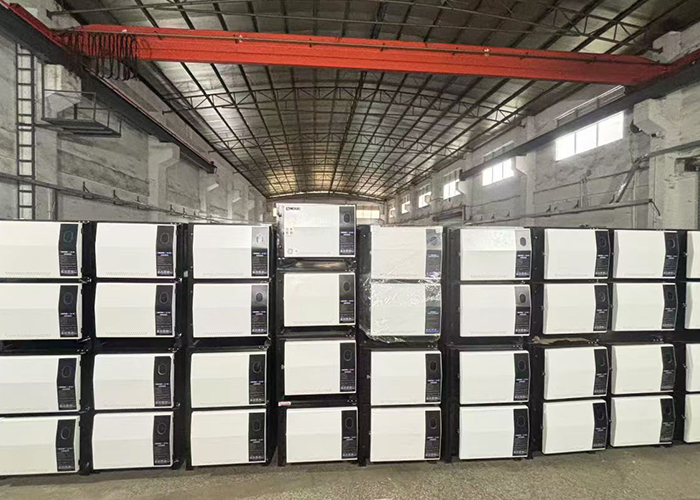
European and North American regulations restrict indoor oil fume purifiers due to health and safety risks. Unlike outdoor venting systems, indoor models recirculate air, requiring advanced filtration to remove PM2.5 particles, volatile organic compounds (VOCs), and grease. The EU’s EN1822 standard mandates HEPA filters (H13/H14 grade) for 99.95%+ particle capture, while the U.S. ASHRAE 52.2 sets MERV 16+ ratings for similar efficiency. Units failing these thresholds risk violating local air quality laws.
Noise is another critical factor. The EU’s Ecodesign Directive limits kitchen appliances to 60 dB(A) during operation, forcing manufacturers to balance power with acoustic design. In the U.S., ANSI/AHAM AC1 requires purifiers to stay below 55 dB(A) at maximum speed to avoid disturbing households.
Key Selection Criteria for Compliant Models
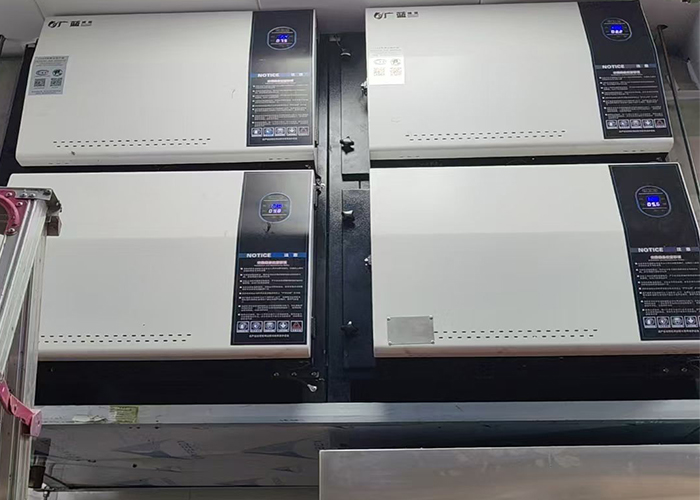
When choosing an indoor purifier, prioritize these features:
- Certification: Look for EN1822, ASHRAE, or UL certifications. Avoid unverified claims like “99% efficiency” without lab reports.
- Filtration Stages: Multilayer systems (prefilter + HEPA + activated carbon) outperform singlestage units in VOC removal.
- Airflow Capacity: Calculate your kitchen’s volume (length × width × height) and choose a purifier rated for 3–5 air changes per hour (ACH). For a 30m³ kitchen, aim for 90–150m³/h capacity.
- Noise Level: Select models with decibel ratings ≤55 dB(A) for openplan kitchens and ≤60 dB(A) for enclosed spaces.
- Grease Buildup: Without proper filtration, grease particles accumulate on walls and furniture, creating fire hazards. Use purifiers with electrostatic precipitators or multistage filters to capture 95%+ grease.
- Oxygen Depletion: Highpower units may reduce indoor oxygen levels if ventilation is poor. Ensure your kitchen has 1–2 air inlets (e.g., windows or vents) when running the purifier.
- Code Violations: Many U.S. states (e.g., California) and EU countries (e.g., Germany) prohibit indoor venting for commercial kitchens. Check local regulations before installation.
Jinjieli Environmental Protection’s GLIDP Series meets all these criteria, offering EN1822certified H14 filters, 120m³/h airflow, and 52 dB(A) noise output—ideal for Western households.
Installation Risks and Mitigation Strategies
Indoor discharge systems pose three primary risks:
Jinjieli’s engineers provide free compliance checks for EU/NA building codes, ensuring installations meet safety standards without legal risks.
Cost Breakdown: What to Expect
Prices for compliant indoor purifiers range from $300–$1,200, depending on capacity and features:
| Factor | Budget Range | Premium Range |
|---|---|---|
| Filtration Type | Prefilter + HEPA (H13) | Prefilter + HEPA (H14) + activated carbon |
| Airflow (m³/h) | 60–100 | 120–200 |
| Noise (dB(A)) | 55–60 | 45–55 |
| Certification | Basic MERV 13 | EN1822/ASHRAE |
 Related tags:
Recommend
Vertical Oil Fume Purifier Manufacturers
Restaurant Oil Fume Purifier Service Providers
Where to Buy Cooking Fume Removal Equipment
Ramen Shop Range Hoods and Oil Fume Purifiers
Restaurant Kitchen Oil Fume Purifiers: Sizing Guide
Oil Fume Purification Equipment Manufacturing
Indoor Kitchen Emissions Air Cleaning Equipment
Oil Fume Purifier Requirements: What Buyers Must Check
Oil Fume Purifier Inspection Reports: What to Verify
Bakery Oil Fume Purifiers: When Installation Is Needed
Contact Us
National hotline
+86 139-2378-3494
Company:Shenzhen Jinjieli Environmental Protection Technology Co., Ltd
Address:101, Zone B, Houting Third Industrial Zone, Shajing Street, Bao'an District, Shenzhen City, Guangdong Province
Hot News
- Mechanical Filter Oil Fume Purifiers: How They Work
- Writing an Oil Fume Purifier Company Introduction
- Oil Fume Purifier News Article Template: Key Details
- Dual-Purpose All-in-One Oil Fume Purifiers
- Commercial Oil Fume Purifier Cleaning Services
- Oil Fume Purifier Internal Components: Installation Checks
- Connecting an Oil Fume Purifier and Exhaust Fan
- Oil Fume Purifier Suppliers Nearby: Equipment and Service
- Are Oil Fume Purifiers Reliable? Quality and Performance
- Kitchen Exhaust Air Cleaners: Common Equipment Types

 HOME
 Product
 Case
 Contact