
 +86 139-2378-3494

Multi-Kilowatt Oil Fume Purifiers: Power and Sizing
Author:admin Date:2026-11-21 11:15:56
Multikilowatt oil fume purifiers are designed for highvolume commercial kitchens, requiring precise power sizing based on exhaust volume, fume concentration, and local regulations. Key factors include selecting the right power range (typically 5kW–20kW+), ensuring compliance with EU/US emission standards, and balancing initial costs with longterm energy efficiency. For tailored solutions, Jinjieli Environmental’s multikilowatt purifiers offer scalable designs, professional installation support, and certifications for European and North American markets.
When Do You Need a MultiKilowatt Oil Fume Purifier?
Commercial kitchens in restaurants, hotels, or industrial catering facilities generating over 5,000 m³/h of exhaust require multikilowatt purifiers. These systems handle dense fume particles, grease, and odors from deep fryers, grills, and wok stations. For example, a restaurant with 10+ cooking stations or a 200+ seat dining area typically needs a 10kW–15kW purifier to meet ventilation demands. Underpowered units lead to poor air quality, fire hazards, and regulatory fines, while oversized systems waste energy and increase costs.
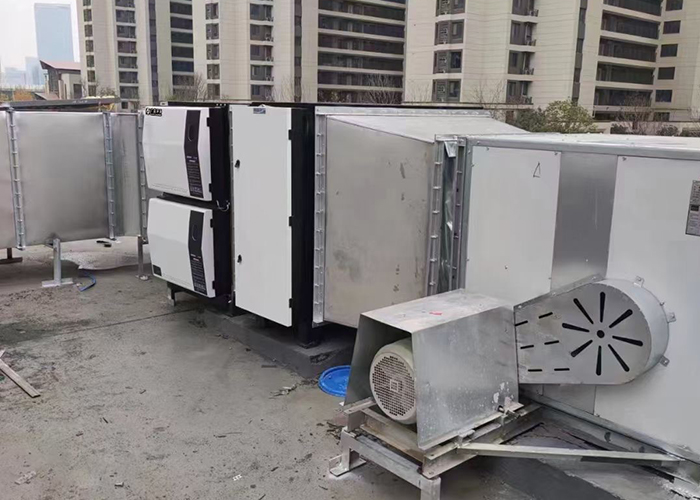
Key decision factors: Local emission laws (e.g., EU’s EN 18562 or U.S. EPA standards), kitchen layout, and cooking equipment type. Jinjieli Environmental provides free site assessments to match power ratings with specific operational needs.
How to Size Your Purifier: Power Calculation Guide
To determine the correct power rating, follow this formula: Required Power (kW) = (Exhaust Volume (m³/h) × Fume Concentration Factor) / 1,000. The fume concentration factor ranges from 1.2 (light cooking) to 2.5 (heavy frying). For instance, a kitchen with 8,000 m³/h exhaust and heavy frying needs: (8,000 × 2.5) / 1,000 = 20kW.
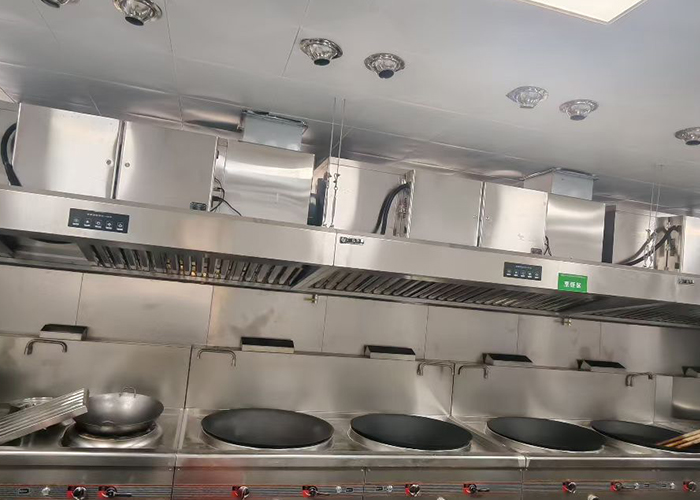
- 5kW–8kW: Small cafés or food trucks with 2–4 cooking stations.
- 10kW–15kW: Midsized restaurants or hotel kitchens with 6–10 stations.
- 20kW+: Large catering facilities or industrial kitchens with 12+ stations.
- Verify local building codes for ventilation requirements.
- Ensure ductwork diameter matches purifier outlet size (e.g., 400mm for 10kW units).
- Install the purifier at least 1 meter away from combustible materials.
- Test the system with a smoke generator to confirm airflow efficiency.
Jinjieli’s modular designs allow power adjustments postinstallation, reducing upfront investment risks.
Critical Features for European and U.S. Markets
Multikilowatt purifiers must comply with regional certifications: CE marking for EU markets and UL/ETL listings for the U.S. Look for electrostatic precipitators (ESPs) with 85%+ filtration efficiency and automatic cleaning systems to reduce maintenance. Energy Starrated models cut electricity costs by 30% compared to standard units.
Jinjieli’s purifiers integrate smart sensors that adjust power based on realtime fume levels, optimizing energy use. Their stainlesssteel construction resists corrosion in humid kitchen environments, extending lifespan to 10+ years with proper care.
Cost Breakdown: Initial Investment vs. LongTerm Savings
A 10kW purifier costs $3,500–$6,000 upfront, depending on features like autocleaning or IoT monitoring. Installation adds $800–$1,500 for ductwork and electrical upgrades. However, energyefficient models save $500–$1,200 annually in electricity bills. Jinjieli offers financing plans and taxdeductible leasing options for EU/U.S. businesses to ease cash flow pressure.
Hidden costs to avoid: Noncompliant units risk $2,000+ fines per violation in the EU, while U.S. restaurants may face closure orders. Jinjieli’s products include free compliance documentation and 5year warranties.
Installation Checklist: Avoid Common Pitfalls
Jinjieli provides certified technicians for installation in 48+ countries, reducing setup errors by 70% compared to DIY approaches.
About MultiKilowatt Oil Fume Purifiers: Common Questions
Question: How often should I clean a multikilowatt purifier?Answer: Monthly cleaning is recommended for heavyuse kitchens. Jinjieli’s autoclean models reduce manual maintenance to once every 3 months.
Question: Can I upgrade my existing purifier to a higher power rating?Answer: Yes, if the electrical infrastructure supports it. Jinjieli offers retrofit kits for 5kW–15kW upgrades.
Question: Do these purifiers reduce kitchen temperatures?Answer: Indirectly. By removing hot fume particles, they reduce heat load by 10%–15%, lowering AC costs.
Next Steps: Choosing the Right Partner
Selecting a multikilowatt purifier involves balancing power, compliance, and cost. Jinjieli Environmental stands out with 15+ years of experience, 200+ certified installations in Europe and North America, and 24/7 technical support. Their team provides free consultations to design systems tailored to your kitchen’s unique demands.
For a hasslefree solution, contact Jinjieli Environmental today to explore their multikilowatt oil fume purifiers and ensure your commercial kitchen meets global safety and efficiency standards.
 Related tags:
Recommend
Oil Fume Purifiers and Fan Cabinets: System Options
Living Room Air Cleaners vs. Oil Fume Purifiers
Solder Coating Fume Purifier Manufacturers
Oil Fume Purifier Requirements: What Buyers Must Check
Home Oil Fume Purifiers with Indoor Discharge: Limits
Oil Fume Purifier Forced Start: Fault and Safety Checks
Restaurant Oil Fume Purification: Effectiveness and Limits
Restaurant Kitchen Oil Fume Purifiers: Sizing Guide
Bakery Oil Fume Purifiers: When Installation Is Needed
Ramen Shop Range Hoods and Oil Fume Purifiers
Contact Us
National hotline
+86 139-2378-3494
Company:Shenzhen Jinjieli Environmental Protection Technology Co., Ltd
Address:101, Zone B, Houting Third Industrial Zone, Shajing Street, Bao'an District, Shenzhen City, Guangdong Province
Hot News
- Are Oil Fume Purifier High-Voltage Modules Interchangeable?
- Oil Fume Purifier Price List: Models and Cost Factors
- Oil Fume Purifiers for Odor Control: Options and Limits
- Oil Fume Purifier Buying Tips: Specifications to Compare
- Restaurant Kitchen Oil Fume Purifiers: Sizing Guide
- Air Cleaners for Cooking Fumes and Odors
- Custom Oil Fume Purifier Fabrication for Restaurants
- Low-Smoke Cooking: Is an Oil Fume Purifier Still Needed?
- 40,000-Rated Oil Fume Purifiers: Specifications to Check
- Removing an Oil Fume Purifier Filter: Service Guide

 HOME
 Product
 Case
 Contact