
 +86 139-2378-3494

Connecting Oil Fume Purifier Exhaust Ducts
Author:admin Date:2026-11-21 11:16:54
Connecting oil fume purifier exhaust ducts requires precise measurement, compatible material selection, and professional installation to ensure efficient ventilation and compliance with local regulations. Common pitfalls include incorrect duct sizing, poor sealing, and ignoring airflow resistance. For reliable solutions, Jinjieli Environmental Protection offers certified oil fume purifiers and duct systems tailored to European and American kitchen standards, with endtoend support from design to installation.
Why Proper Duct Connection Matters for Oil Fume Purifiers
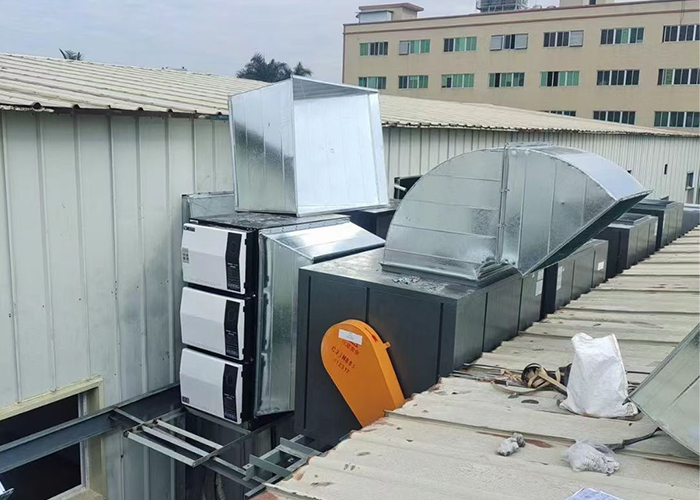
Inefficient exhaust duct connections can reduce a purifier’s efficiency by up to 40%, leading to persistent odors, fire hazards, and noncompliance with health codes. The primary goal is to create a sealed, lowresistance pathway for fumes to exit the building. Key factors include duct diameter (must match purifier outlet), material durability (stainless steel for hightemperature resistance), and slope (1% minimum to prevent condensation buildup). In the EU and US, local regulations often mandate specific duct materials and firestopping measures near combustible surfaces.
StepbyStep Guide to Connecting Exhaust Ducts
1. Measure and Plan: Calculate the shortest, straightest route from the purifier to the outdoor vent. Avoid 90degree bends; use two 45degree angles instead to reduce airflow resistance by 30%.
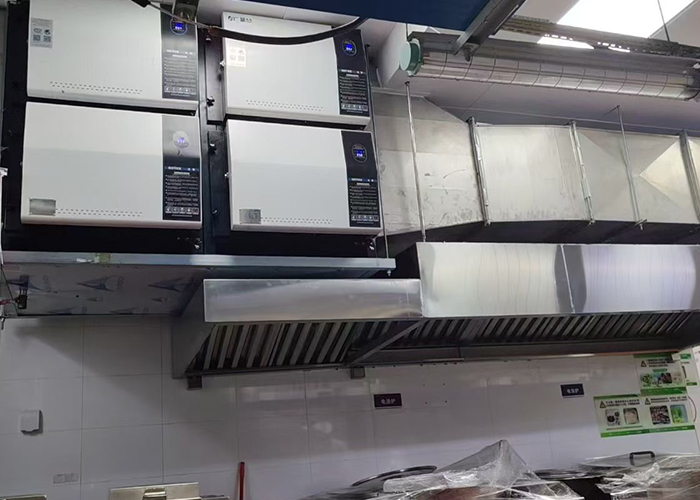
2. Select Materials
- Stainless steel (304 grade) for durability
- Flexible aluminum ducts only for short, accessible sections
- Insulated ducts in cold climates to prevent condensation
- Undersized Ducts: A 6inch purifier outlet requires a 6inch duct. Reducing to 4 inches increases static pressure by 150%, straining the fan.
- Ignoring Local Codes: California’s Title 24 mandates 0.1 in.wg maximum static pressure for residential systems. New York City requires firerated ducts in multiunit buildings.
- Poor Vent Placement: Outdoor vents must be 10 feet from property lines in most US zones and 2 meters above ground in the EU to prevent fume reentry.
3. Install with Airtight Seals: Use foodgrade silicone sealant at all joints. Clamp connections with stainless steel bands rated for 200°C+. Test for leaks by pressurizing the system with a blower door test kit.
Critical Mistakes to Avoid During Installation
How to Choose the Right Duct System for Your Region
About Connecting Oil Fume Purifier Exhaust Ducts: Common Questions
Question: Can I use PVC ducts for oil fume exhaust?Answer: No. PVC melts at 140°C, while oil fumes can reach 200°C. Use stainless steel or aluminum ducts rated for high temperatures.
Question: How often should ducts be cleaned?Answer: Residential systems need cleaning every 6–12 months; commercial kitchens require monthly cleaning per NFPA 96. Grease buildup reduces airflow by 5% per week.
Question: Do I need a permit to install exhaust ducts?Answer: Yes, in most US states and EU countries. Permits ensure compliance with fire codes and ventilation standards. Jinjieli offers permit documentation assistance for customers.
Next Steps for a Compliant, Efficient System
To avoid costly rework, start with a professional site assessment. Jinjieli Environmental’s engineers provide free duct design layouts using CFD simulations to optimize airflow. For projects in Europe or North America, we supply prefabricated duct sections with lasercut fittings, reducing installation errors by 70%. Contact our team today to request a quote for a turnkey oil fume purification system, including ductwork, purifiers, and compliance certification.
 Related tags:
Recommend
Oil Fume Purification Equipment Manufacturing
Oil Fume Purifier Project Tenders: Specification Checklist
Oil Fume Purifier Quotes: Models and Cost Comparison
Home-Use Oil Fume Purifier Manufacturers
Street Food Tricycle Oil Fume Purifier Installation
Oil Fume Purifiers and Fan Cabinets: System Options
Ramen Shop Range Hoods and Oil Fume Purifiers
Solder Coating Fume Purifier Manufacturers
Restaurant Oil Fume Purifier Product Information Guide
Oil Fume Purifier Bidding: Equipment Specification Guide
Contact Us
National hotline
+86 139-2378-3494
Company:Shenzhen Jinjieli Environmental Protection Technology Co., Ltd
Address:101, Zone B, Houting Third Industrial Zone, Shajing Street, Bao'an District, Shenzhen City, Guangdong Province
Hot News
- Oil Fume Purifier Designs: Comparing Equipment Layouts
- Oil Fume Purifiers for High-Level Exhaust Discharge
- Canteen Oil Fume Purifier Procurement Checklist
- UV Photolysis Oil Fume Purifiers: Uses and Limitations
- Restaurant Hood Air Cleaner Dripping Oil: What to Check
- All-in-One Oil Fume Purifier Grease Collection Bottles
- Oil Fume Purifiers and Fan Cabinets: System Options
- Oil Fume Purifiers for the Foodservice Industry
- Oil Fume Purifier Dimensions: Equipment and Duct Fit
- Custom Oil Fume Purifier Supplier Locations

 HOME
 Product
 Case
 Contact