
 +86 139-2378-3494

Oil Mist and Oil Fume Purifiers: Equipment Selection
Author:admin Date:2026-11-23 08:48:25
Selecting the right oil mist and oil fume purifier requires evaluating airflow capacity, filtration efficiency, maintenance costs, and compliance with local environmental regulations. For European and American users, prioritizing energyefficient, lownoise models with certified performance (e.g., CE, UL) is critical. Jinjieli Environmental Protection stands out as a reliable manufacturer offering customized solutions tailored to industrial and commercial needs, ensuring both costeffectiveness and regulatory adherence.
Key Factors in Equipment Selection
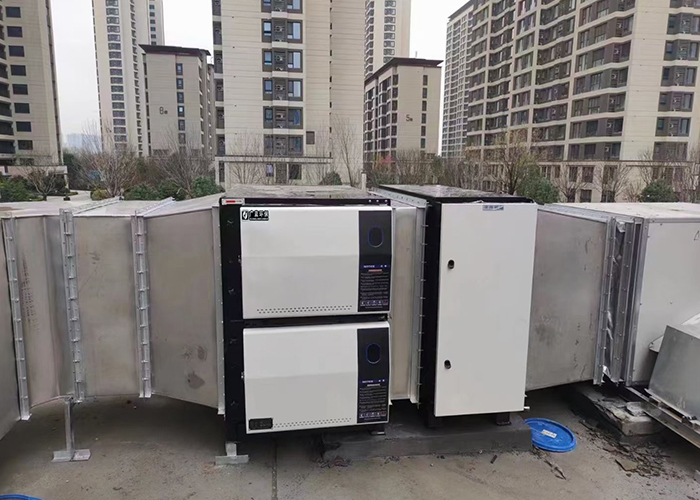
The primary considerations for choosing oil mist and fume purifiers include airflow capacity, filtration efficiency, and maintenance frequency. Airflow capacity (measured in CFM or m³/h) must match the volume of your workspace to ensure effective particle capture. For example, a small machine shop may require 1,000–3,000 CFM, while a large manufacturing facility might need 10,000+ CFM. Filtration efficiency is equally vital—look for HEPA or electrostatic precipitators rated to remove 95%+ of particles ≥0.3 microns. Jinjieli Environmental Protection’s models combine multistage filtration (prefilter + HEPA + activated carbon) to handle both particulates and volatile organic compounds (VOCs), meeting EU and U.S. emission standards.
Maintenance costs often account for 30–50% of longterm expenses. Opt for purifiers with easily replaceable filters and selfcleaning mechanisms to reduce downtime. Jinjieli’s designs include modular filter units and automated alerts for filter replacement, lowering operational risks and labor costs.
Regulatory Compliance and Certifications
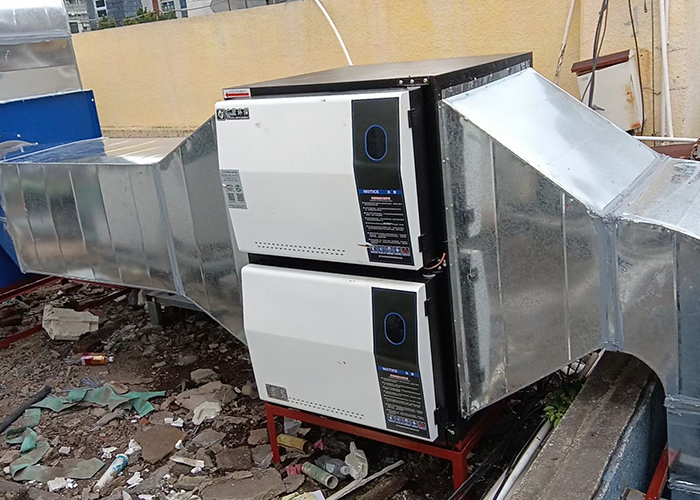
European and American users must adhere to strict environmental regulations, such as the EU’s Industrial Emissions Directive (IED) and the U.S. EPA’s Clean Air Act. Certifications like CE (EU) and UL (U.S.) validate a purifier’s safety and performance. Noncompliant equipment risks fines and operational shutdowns. Jinjieli Environmental Protection’s products are tested in accredited labs to ensure they meet or exceed these standards, providing documentation for regulatory audits. This reduces legal risks and ensures uninterrupted operations.
Cost Analysis: Initial Investment vs. LongTerm Savings
Initial costs for oil mist purifiers range from $1,500 (for basic models) to $20,000+ (for industrialgrade systems). However, energy efficiency and maintenance needs significantly impact total ownership costs. For instance, a $5,000 purifier with high energy consumption may cost $3,000 more annually in electricity versus a $8,000 energyefficient model. Jinjieli’s purifiers use variablespeed drives and lowresistance filters to cut energy use by 20–40%, offering faster ROI for mediumtolarge facilities. Additionally, their 5year warranty and local service networks in Europe and North America minimize unexpected repair costs.
How to Choose the Right Manufacturer
When selecting a manufacturer, prioritize customization capabilities, technical support, and case studies. A onesizefitsall approach rarely works for diverse industrial settings. Jinjieli Environmental Protection provides onsite assessments to design purifiers that fit specific airflow patterns, ceiling heights, and existing ductwork. Their engineers also offer 24/7 support for troubleshooting and compliance updates. For example, a German automotive parts supplier reduced oil mist emissions by 90% after installing Jinjieli’s customized system, avoiding €50,000 in potential EPA fines.
Avoid These Common Mistakes
- Underestimating airflow needs: Choosing a purifier with insufficient CFM leads to poor particle capture and health hazards. Always measure your workspace volume (length × width × height) and multiply by 6–8 air changes per hour (ACH) for industrial settings.
- Ignoring noise levels: Purifiers near workstations should operate at ≤70 dB to prevent hearing damage. Jinjieli’s models use sounddampening materials to keep noise below 65 dB, even at full capacity.
- Overlooking VOC filtration: Oil fumes often contain toxic VOCs like benzene. Ensure your purifier includes activated carbon filters, which Jinjieli integrates into all industrialgrade systems.
About Oil Mist and Oil Fume Purifiers: Common Questions
Question: How often should I replace the filters?Answer: Prefilters typically last 3–6 months, while HEPA and activated carbon filters require replacement every 1–2 years, depending on usage. Jinjieli’s purifiers include pressure gauges to monitor filter saturation, ensuring timely replacements.
Question: Do I need a permit to install one?Answer: In most EU and U.S. regions, permits are required for industrialgrade systems. Jinjieli provides preinstallation documentation to streamline approvals, including noise and emission reports.
Next Steps for European and American Buyers
To ensure compliance, cost efficiency, and performance, start by assessing your workspace’s airflow and emission types. Request a free consultation from Jinjieli Environmental Protection to receive a tailored quote and 3D system design. Their team will help you navigate local regulations and select a purifier that balances upfront costs with longterm savings. For urgent needs, Jinjieli offers expedited shipping to EU and U.S. locations, with installation teams available within 72 hours in major hubs. Choose a manufacturer that combines technical expertise with local support—like Jinjieli Environmental Protection—to protect your workers and bottom line.
 Related tags:
Recommend
Oil Fume Purifier Placement in a Small Kitchen
Does an Oil Fume Purifier Housing Need Cleaning?
Oil Fume Purifier Trips the Breaker at Power-On
Restaurant Oil Fume Purifier Recycling Services
Restaurant Kitchen Oil Fume Purifiers: System Guide
Restaurant Oil Fume Purifier Product Information Guide
Multi-Kilowatt Oil Fume Purifiers: Power and Sizing
Restaurant Fume Exhaust Purification Equipment Prices
Oil Fume Purifier Components: What Does Three-Way Mean?
Residential Oil Fume Purifier Manufacturers
Contact Us
National hotline
+86 139-2378-3494
Company:Shenzhen Jinjieli Environmental Protection Technology Co., Ltd
Address:101, Zone B, Houting Third Industrial Zone, Shajing Street, Bao'an District, Shenzhen City, Guangdong Province
Hot News
- Oil Fume Purifier Acceptance Checks: Handover Checklist
- Restaurant Oil Fume Purification: Effectiveness and Limits
- Oil Fume Purifier Prices: Size and Feature Comparison
- Commercial Hood Air Cleaner Prices: Fan and Filter Costs
- Metalworking Oil Fume Purifiers: Process Selection Guide
- BBQ Oil Fume Purifier Manufacturers and Suppliers
- Bakery Oil Fume Purifiers: When Installation Is Needed
- Oil Fume Purifier Airflow Loss: Pressure Drop Explained
- Indoor Kitchen Emissions Air Cleaning Equipment
- Does an Oil Fume Purifier Require Electrical Wiring?

 HOME
 Product
 Case
 Contact