
 +86 139-2378-3494

Are Oil Fume Purifiers Worth the Cost? Assessing Value
Author:admin Date:2026-11-21 11:17:16
Oil fume purifiers are worth the cost for commercial kitchens in Europe and North America, especially those facing strict air quality regulations or high foot traffic. They reduce health risks, avoid fines, and improve customer experience. For residential use, the value depends on cooking habits and ventilation setups. Jinjieli Environmental Protection’s commercialgrade purifiers offer a balance of efficiency, compliance, and durability, making them a reliable choice for longterm savings.
Why Oil Fume Purifiers Matter in European and North American Kitchens
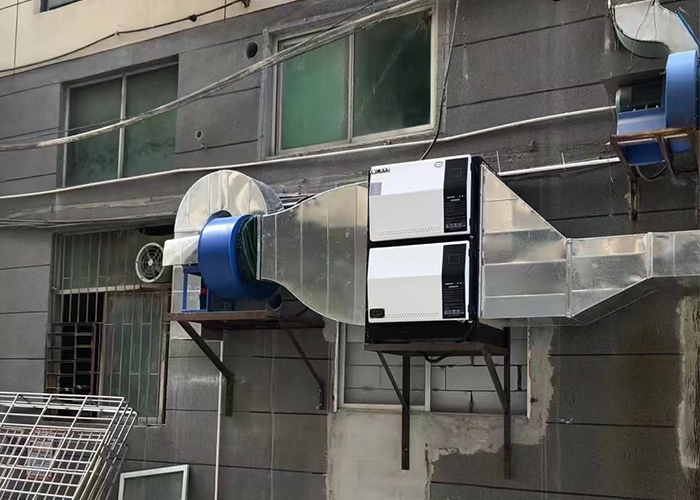
Commercial kitchens in Europe and North America face unique challenges: strict air quality laws, high labor costs, and customer expectations for clean environments. Oil fume purifiers (also called grease filters or exhaust hood systems) address these by capturing 85–95% of airborne grease, smoke, and odors. This reduces fire hazards, extends HVAC system lifespans, and ensures compliance with regulations like the U.S. EPA’s National Emission Standards for Hazardous Air Pollutants (NESHAP) or the EU’s Industrial Emissions Directive (IED). For residential users, purifiers mitigate lingering cooking smells and protect indoor air quality, though their necessity depends on stove type and ventilation.
The costbenefit balance shifts based on usage intensity. A restaurant cooking 10+ hours daily will recoup purifier costs within 2–3 years through reduced maintenance and legal risks. Homeowners who fry foods frequently may justify the expense for comfort, while infrequent cooks might prioritize range hoods alone.
Key Factors Determining LongTerm Value
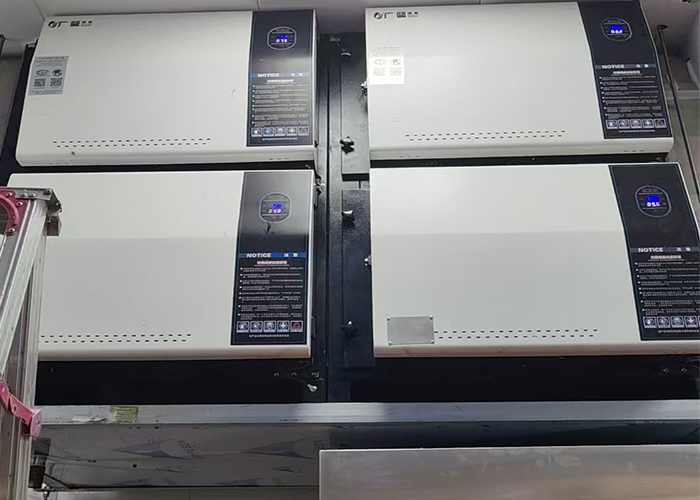
To assess whether oil fume purifiers are worth the investment, consider these critical factors:
- Regulatory Compliance: Cities like London, New York, and Los Angeles impose strict limits on particulate emissions. Noncompliance can lead to fines up to $10,000 per violation in the U.S. or temporary closures in the EU. Jinjieli Environmental Protection’s purifiers meet CE and UL standards, ensuring hasslefree inspections.
- Maintenance Costs: Cheap purifiers clog quickly, requiring monthly cleaning and part replacements. Highquality models like Jinjieli’s use selfcleaning electrostatic filters, reducing labor costs by 60% over five years.
- Energy Efficiency: Energy Starrated purifiers consume 30% less power than basic models. Jinjieli’s variablespeed motors adjust airflow based on cooking activity, cutting electricity bills by up to $500 annually for midsized restaurants.
- Calculate Required CFM: Multiply kitchen volume (ft³) by 15–20 air changes per hour. A 1,000 ft³ kitchen needs 15,000–20,000 CFM.
- Match Filtration Type: Baffle filters handle heavy grease; electrostatic filters capture finer particles. Jinjieli’s hybrid models combine both for 98% efficiency.
- Verify Noise Levels: Commercial purifiers should operate below 70 dB to comply with workplace safety laws. Residential models should stay under 55 dB.
- Check Installation Requirements: Ducted systems need professional setup, while ductless models require carbon filters for odor control. Jinjieli offers free site assessments in Europe and North America.
How to Choose the Right Purifier for Your Needs
Selecting a purifier involves balancing airflow capacity, filtration technology, and space constraints. Use this checklist:
Cost Breakdown: Initial Investment vs. LongTerm Savings
A commercial purifier costs $2,000–$15,000 upfront, depending on size and features. Residential models range from $300–$2,000. Here’s how costs compare over five years:
| Expense Type | LowQuality Purifier | Jinjieli HighEfficiency Model |
|---|---|---|
| Initial Cost | $1,500 | $5,000 |
| Annual Maintenance | $1,200 | $400 |
| Energy Costs | $1,800 | $1,200 |
| Total (5 Years) | $12,300 | $11,400 |
 Related tags:
Recommend
Quality Electrostatic Oil Fume Purifier Suppliers
Oil Fume Purifiers in Ventilation Systems
Direct-Retail Low-Level Oil Fume Purifiers
Oil Fume Purifier Forced Start: Fault and Safety Checks
Oil Fume Purifier Business Directory: Manufacturers
Oil Fume Purifier Project Tenders: Specification Checklist
Restaurant Oil Fume Purification: Effectiveness and Limits
Industrial Oil Fume Purifier Quotes: Cost and Scope
Oil Fume Purifier Trips the Breaker at Power-On
Oil Fume Purifier Supplier Addresses: How to Verify Them
Contact Us
National hotline
+86 139-2378-3494
Company:Shenzhen Jinjieli Environmental Protection Technology Co., Ltd
Address:101, Zone B, Houting Third Industrial Zone, Shajing Street, Bao'an District, Shenzhen City, Guangdong Province
Hot News
- BBQ Oil Fume Purifier Standards: Requirements to Check
- Oil Fume Purifiers and Fan Cabinets: System Options
- Oil Fume Purifiers: Advantages and Limitations
- Mechanical Filter Oil Fume Purifiers: How They Work
- Oil Fume Purifier Fans: Airflow and Pressure Selection
- How to Choose a Hotel Kitchen Oil Fume Purifier
- Where to Buy Affordable Oil Fume Purifiers
- Dedicated Restaurant Kitchen Oil Fume Purifiers
- How Large Are Oil Fume Purifiers? Size and Capacity
- Oil Fume Purifier Service Departments: Repair Support

 HOME
 Product
 Case
 Contact