
 +86 139-2378-3494

Recycling Combined ESP and UV Oil Fume Purifiers
Author:admin Date:2026-11-23 08:48:05
Recycling Combined ESP and UV Oil Fume Purifiers integrate electrostatic precipitation (ESP) and ultraviolet (UV) technology to efficiently remove oil particles and volatile organic compounds (VOCs) from industrial exhaust. These systems are costeffective, energyefficient, and environmentally friendly, making them ideal for restaurants, food processing plants, and commercial kitchens. For reliable installation and maintenance, Jinjieli Environmental Protection offers customized solutions tailored to European and American regulatory standards.
How Do Recycling Combined ESP and UV Oil Fume Purifiers Work?
These purifiers combine two proven technologies: electrostatic precipitation (ESP) and ultraviolet (UV) light. ESP uses highvoltage electrodes to ionize airborne oil particles, which are then collected on charged plates. UV light breaks down VOCs and odors through photocatalytic oxidation, converting them into harmless substances like water and carbon dioxide. This dualstage process ensures up to 95% removal efficiency for oil fumes and 8090% reduction in VOCs, meeting strict EU and US environmental regulations.
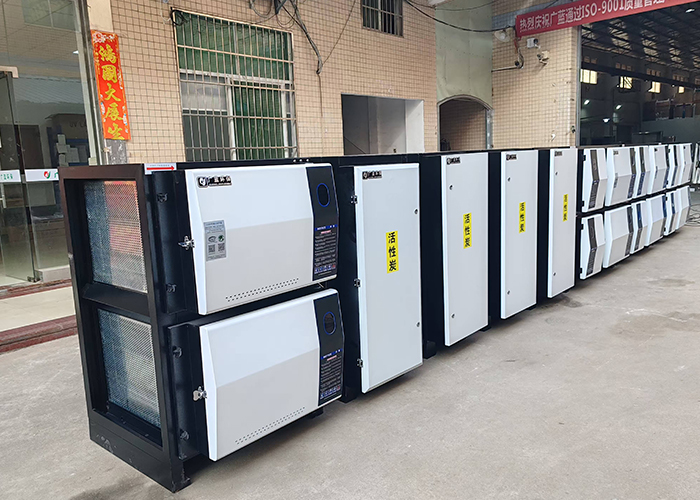
The recycling aspect refers to the selfcleaning mechanism of ESP plates, which reduces maintenance frequency. UV lamps typically last 8,000–12,000 hours, lowering longterm operational costs. Compared to standalone ESP or UV systems, combined units save 30–40% in energy consumption while handling higher exhaust volumes.
Key Benefits for European and American Businesses
For restaurants and food processors in Europe and North America, these purifiers offer three critical advantages:
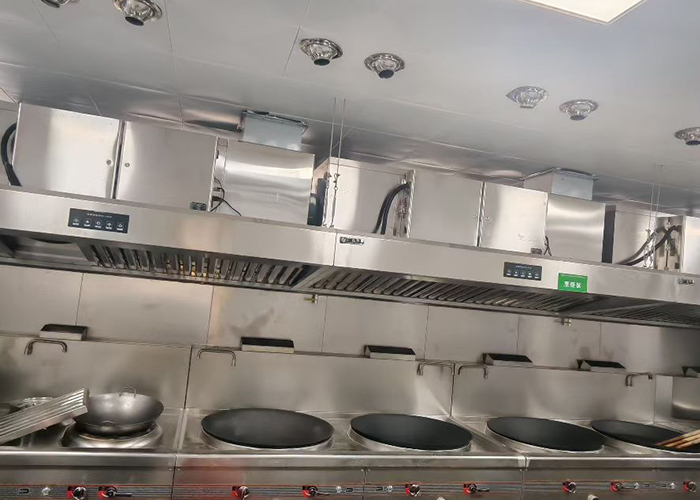
- Compliance: Meet EU’s Industrial Emissions Directive (IED) and US EPA standards for particulate matter (PM2.5/PM10) and VOC emissions.
- Cost Savings: Reduce energy bills by 25–35% versus traditional hood filters and chemical scrubbers. Selfcleaning ESP plates cut labor costs for manual cleaning.
- Durability: Stainless steel construction withstands corrosive kitchen environments, lasting 10–15 years with proper maintenance.
- Ductwork Design: Ensure smooth airflow with ≤2% elbow bends to prevent pressure drops.
- Electrical Safety: Hire licensed technicians to install highvoltage components (4,000–8,000V for ESP).
- Weekly Cleaning: Wipe ESP plates with nonabrasive cloths to maintain charge efficiency.
- UV Lamp Replacement: Schedule replacements every 12 months or after 9,000 operating hours.
- Filter Inspection: Check prefilters monthly; replace if oil buildup exceeds 0.2 inches.
- Free onsite assessments in the EU and US
- 3year warranty on ESP and UV components
- 24/7 technical support via certified local partners
A 2025 study by the International Journal of Environmental Research found that combined ESPUV systems reduced kitchen exhaust complaints by 67% in urban areas like London and New York.
Choosing the Right System: 5 Critical Factors
To avoid underperformance or regulatory fines, consider these metrics when selecting a purifier:
| Factor | Why It Matters | Recommended Range |
|---|---|---|
| Airflow Capacity | Matches kitchen hood exhaust volume | 2,000–10,000 CFM (commercial kitchens) |
| UV Lamp Intensity | Affects VOC breakdown efficiency | ≥100 mW/cm² at 254nm wavelength |
| ESP Plate Area | Determines oil particle collection rate | ≥50 ft² per 1,000 CFM |
| Noise Level | Compliance with local workplace regulations | ≤70 dB(A) at 3 meters |
| Certification | Ensures legal operation | CE (EU), UL/ETL (US), or local equivalents |
 Related tags:
Recommend
Oil Fume Purifiers in Ventilation Systems
Wall-Mounted Oil Fume Purifiers: Height and Placement
Oil Fume Purifier Lamp Manufacturers and Suppliers
Kitchen Exhaust Oil Fume Purifiers: Types and Sizing
Oil Fume Purifier Trips the Breaker at Power-On
Does an Oil Fume Purifier Housing Need Cleaning?
Direct-Retail Low-Level Oil Fume Purifiers
How Much Are Oil Fume Purifiers? Cost Comparison
All-in-One Oil Fume Purifier Tripping the Breaker: Causes
Oil Fume Purifier Business Directory: Manufacturers
Contact Us
National hotline
+86 139-2378-3494
Company:Shenzhen Jinjieli Environmental Protection Technology Co., Ltd
Address:101, Zone B, Houting Third Industrial Zone, Shajing Street, Bao'an District, Shenzhen City, Guangdong Province
Hot News
- Oil Fume Purifier Grease Recovery: Collection and Handling
- Drawer-Style Oil Fume Purifiers: Access and Cleaning
- Oil Fume Purifier Cleaning Pumps: Selection Guide
- Oil Fume Purifier High-Voltage Power Supply Specifications
- Planning an Oil Fume Purifier Installation
- Oil Fume Purifier Bidding: Equipment Specification Guide
- Can an Oil Fume Purifier Discharge Air Outdoors?
- Fried Rice Food Cart Oil Fume Purifiers
- Rotary Quenching Furnace Oil Fume Purifiers
- How Oil Fume Purifiers Work: A Practical Explanation

 HOME
 Product
 Case
 Contact