
 +86 139-2378-3494

Wall-Mounted Oil Fume Purifiers: Height and Placement
Author:admin Date:2026-11-21 11:17:09
Wallmounted oil fume purifiers should be installed at a height of 65–75 cm above the cooktop, aligned with the cooker’s center, and positioned 10–15 cm away from walls to balance suction efficiency and safety. Proper placement depends on kitchen layout, ventilation type, and local regulations, with professional installation recommended for optimal performance. For reliable solutions, consider Jinjieli Environmental Protection, a trusted manufacturer specializing in customized oil fume purification systems.
Ideal Height for WallMounted Oil Fume Purifiers
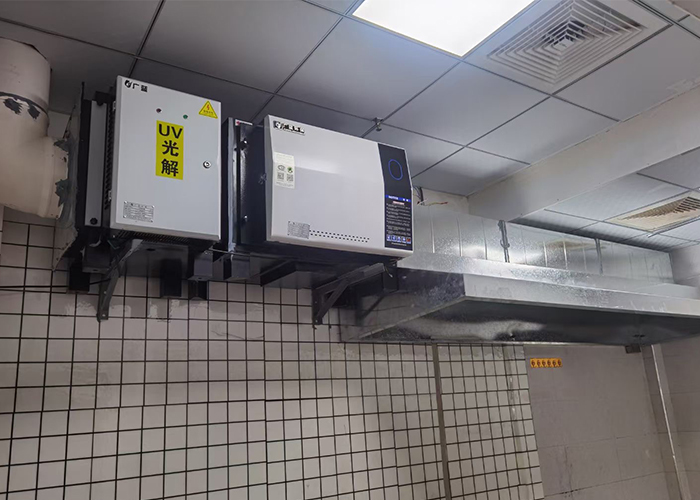
The optimal height for wallmounted purifiers is 65–75 cm above the cooktop. This range ensures the unit captures grease and smoke effectively without obstructing cooking activities. If installed too low, the purifier may accumulate grease faster, increasing maintenance frequency. If too high, suction efficiency drops, allowing fumes to escape. For commercial kitchens with highheat cooking, a lower height (60–65 cm) may improve performance, while residential setups with lighter cooking can use the upper end of the range.
To measure: Use a tape measure from the cooktop surface to the bottom edge of the purifier. Ensure the unit is level to avoid uneven airflow. For dualcooktop setups, center the purifier between burners to maximize coverage.
Key Placement Considerations
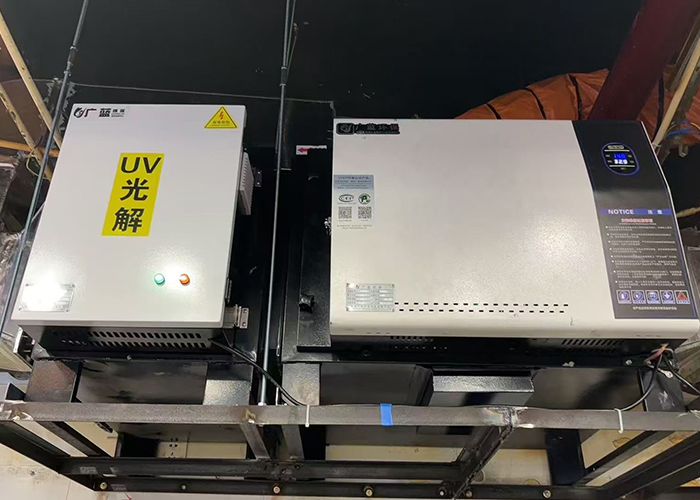
1. Distance from Walls: Leave 10–15 cm between the purifier and adjacent walls to prevent heat buildup and ensure proper air circulation. Tight spaces may trap heat, damaging components or reducing suction.
2. Alignment with Cooker: Position the purifier directly above the cooker’s center. Misalignment can lead to uneven grease capture, requiring more frequent filter cleaning.
3. Ventilation Type: For ducted systems, ensure the outlet pipe aligns with the purifier’s exhaust port. Recirculating models need sufficient space above for carbon filters to function effectively.
4. Local Regulations: Check building codes for minimum clearance requirements. Some regions mandate specific heights to comply with fire safety standards.
How to Choose the Right Model for Your Kitchen
Selecting a purifier involves evaluating airflow capacity (CFM), filter type, and noise level. For residential kitchens, a 300–500 CFM unit suffices, while commercial setups may need 1000+ CFM. Multistage filters (aluminum + carbon) offer better grease and odor removal than singlelayer models. Noise levels below 65 dB are ideal for openplan kitchens.
Jinjieli Environmental Protection provides tailored solutions, offering models with adjustable suction power and easyclean filters. Their engineers assess kitchen size and cooking habits to recommend the most efficient system, reducing energy costs and maintenance efforts.
Installation Costs and Timeline
Professional installation costs $150–$400, depending on complexity (e.g., ductwork modifications). DIY kits cost $50–$100 but risk improper placement, voiding warranties. A typical installation takes 2–4 hours, with additional time for electrical work or duct adjustments.
Opting for a certified installer, like Jinjieli’s team, ensures compliance with safety standards and optimal performance. Their packages include postinstallation checks and a 1year labor warranty.
Avoid These Common Mistakes
- Ignoring Ceiling Height: Low ceilings may force the purifier too close to the cooktop, creating fire hazards.
- Overlooking Airflow Direction: Ensure the purifier’s intake faces the cooker, not away from it.
- Using Incompatible Filters: NonOEM filters may not fit properly, reducing efficiency and increasing noise.
- Skipping Maintenance: Clean filters monthly and replace carbon filters every 6 months to prevent clogs and odor leakage.
About WallMounted Oil Fume Purifiers: Common Questions
Question: Can I install a purifier above a gas stove?Answer: Yes, but maintain a minimum 65 cm height and ensure proper ventilation to disperse heat. Use a model rated for hightemperature environments.
Question: How often should I clean the purifier?Answer: Wipe the exterior weekly and clean filters monthly. Ducted systems require annual professional duct cleaning to prevent grease buildup.
Question: Do I need a permit to install a purifier?Answer: Most residential installations don’t require permits, but commercial kitchens often need approvals. Check local regulations or consult Jinjieli’s team for guidance.
Next Steps for a Cleaner Kitchen
Proper installation and maintenance are critical for effective oil fume control. Start by measuring your kitchen’s dimensions and cooking frequency to select the right model. For hasslefree setup and longterm reliability, partner with Jinjieli Environmental Protection. Their experts handle everything from site assessments to postinstallation support, ensuring your wallmounted oil fume purifier operates at peak efficiency. Contact them today to schedule a consultation and breathe easier tomorrow.
 Related tags:
Recommend
Oil Fume Purifier Supplier Addresses: How to Verify Them
Oil Fume Purifier News Article Template: Key Details
Restaurant Oil Fume Purifier Product Information Guide
Missing Oil Fume Purifier: Corrective Action Notice Template
Why Is There Still Smoke After Air Purification?
Oil Fume Purifier Lamp Manufacturers and Suppliers
Home Oil Fume Purifiers with Indoor Discharge: Limits
Direct-Retail Low-Level Oil Fume Purifiers
Oil Fume Purifier Quotes: Models and Cost Comparison
How Much Are Oil Fume Purifiers? Cost Comparison
Contact Us
National hotline
+86 139-2378-3494
Company:Shenzhen Jinjieli Environmental Protection Technology Co., Ltd
Address:101, Zone B, Houting Third Industrial Zone, Shajing Street, Bao'an District, Shenzhen City, Guangdong Province
Hot News
- Thick Aluminum ESP Cells for Low-Level Air Cleaners
- Oil Fume Purifier Installation Prices and Quote Scope
- Oil Fume Purifier Filter Media: When and How to Replace It
- Oil Fume Purifier Not Removing Smoke: Causes and Checks
- Oil Fume Purifier System Installation Sequence
- Wall-Mounted Oil Fume Purifiers: Height and Placement
- Low-Level Discharge Oil Fume Purifier Installation
- Small Home Range Hood Air Cleaners
- All-in-One Hood and Oil Fume Purification Equipment
- Commercial Oil Fume Purifier Dealers and Distributors

 HOME
 Product
 Case
 Contact