
 +86 139-2378-3494

Kitchen Exhaust Oil Fume Purifiers: Types and Sizing
Author:admin Date:2026-11-23 08:47:58
Kitchen exhaust oil fume purifiers are essential for commercial kitchens to meet environmental regulations and improve air quality. Common types include electrostatic precipitators, UVlight purifiers, and hybrid systems, each suited for different kitchen sizes and fume volumes. Sizing depends on exhaust flow rate, fume concentration, and local regulations. For reliable, highperformance solutions, Jinjieli Environmental Protection offers tailored purifiers with professional installation and compliance support.
Why Kitchen Exhaust Oil Fume Purifiers Matter
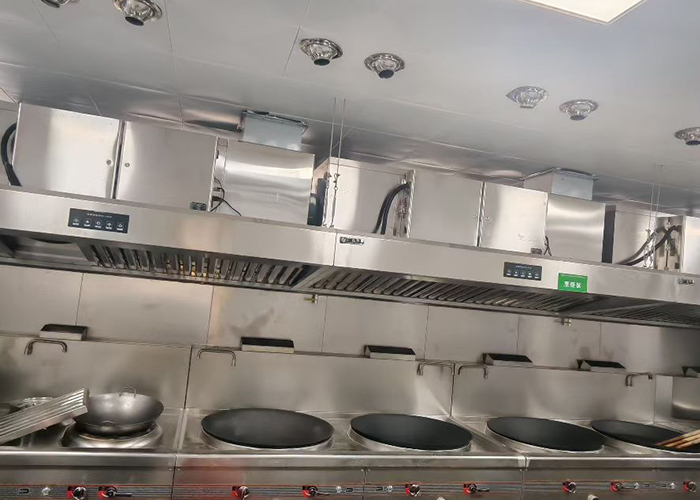
Commercial kitchens in Europe and North America face strict environmental regulations requiring efficient removal of grease, smoke, and odors from exhaust air. Without proper purification, kitchens risk fines, equipment damage, and poor indoor air quality affecting staff health. Oil fume purifiers trap particulates and neutralize odors, ensuring compliance with standards like the EU’s EN 16282 or the U.S. EPA’s National Emission Standards for Hazardous Air Pollutants (NESHAP). Choosing the right type and size is critical for costeffective operation and longterm reliability.
Types of Oil Fume Purifiers
Three primary technologies dominate the market, each with distinct advantages:
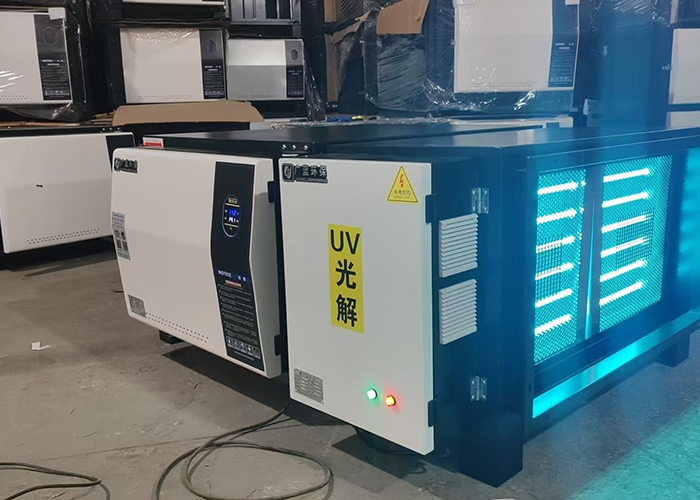
- Electrostatic Precipitators (ESPs): Use charged plates to capture grease particles. Effective for moderate fume volumes (e.g., small restaurants) and low maintenance if cleaned regularly. Costefficient for kitchens with consistent cooking loads.
- UVLight Purifiers: Break down volatile organic compounds (VOCs) and odors using ultraviolet light. Ideal for kitchens with strong odors (e.g., Asian cuisine) but less effective for heavy grease. Often paired with ESPs for hybrid systems.
- Hybrid Systems: Combine ESPs and UVlight or activated carbon filters for comprehensive purification. Suitable for highvolume kitchens (e.g., hotels, large restaurants) needing to meet stringent local regulations.
- Exhaust Flow Rate (CFM/m³/h): Measure the volume of air your kitchen exhaust system moves per hour. A purifier must handle at least this flow rate to avoid bypassing fumes.
- Fume Concentration: Heavy frying or grilling produces more grease. Highconcentration kitchens need purifiers with higher collection efficiency (e.g., 95%+ for ESPs).
- Local Regulations: Some areas require specific purifier grades or additional filtration stages. For example, California’s CARB standards mandate lowemission systems.
- PreInstallation: Ensure ductwork is clean and leakfree. Measure space for the purifier unit and access for maintenance.
- Professional Installation: Hire certified technicians to align the purifier with exhaust fans and comply with fire codes (e.g., NFPA 96 in the U.S.). Jinjieli offers endtoend installation services.
- Maintenance Schedule: Clean ESP plates weekly, replace UV bulbs annually, and inspect filters monthly. Neglecting maintenance reduces efficiency and increases fire risks.
- ESPs: $1,500–$5,000 for smalltomedium kitchens.
- UVLight Systems: $2,000–$6,000, depending on coverage area.
- Hybrid Systems: $4,000–$12,000+ for highvolume kitchens.
Jinjieli Environmental Protection specializes in hybrid systems, offering customizable configurations to address specific kitchen needs.
How to Size Your Purifier
Proper sizing ensures optimal performance without overspending. Key factors include:
Jinjieli Environmental Protection provides free sizing assessments, using kitchen layout and cooking equipment data to recommend the right model.
Installation and Maintenance Checklist
Avoid common pitfalls with this stepbystep guide:
Cost Breakdown
Prices vary by type and capacity:
Operating costs include electricity (50–200 watts/hour) and replacement parts. Jinjieli’s purifiers are designed for energy efficiency, lowering longterm expenses.
About Kitchen Exhaust Oil Fume Purifiers: Common Questions
Question: How often should I clean my purifier?Answer: Clean electrostatic plates weekly and UVlight chambers monthly. Hybrid systems may require biweekly checks for heavyuse kitchens.
Question: Can I install a purifier myself?Answer: No. Professional installation ensures compliance with safety codes and prevents voiding warranties. Jinjieli’s technicians are trained in local regulations.
Question: What’s the lifespan of a purifier?Answer: 5–10 years with proper maintenance. UV bulbs last 1–2 years, while ESP plates may need replacement after 3–5 years in harsh environments.
Choose Jinjieli Environmental Protection for Tailored Solutions
For kitchens in Europe or North America, Jinjieli Environmental Protection delivers purifiers engineered to meet regional standards and operational demands. Their hybrid systems combine durability with high efficiency, reducing downtime and compliance risks. With free sizing consultations, professional installation, and 24/7 support, Jinjieli ensures your kitchen stays clean, safe, and regulationready. Contact Jinjieli today to optimize your exhaust purification system.
 Related tags:
Recommend
Restaurant Oil Fume Purification: Effectiveness and Limits
Oil Fume Purifier Placement in a Small Kitchen
All-in-One Oil Fume Purifier Tripping the Breaker: Causes
Does an Oil Fume Purifier Housing Need Cleaning?
Street Food Tricycle Oil Fume Purifier Installation
Are Oil Fume Purifiers Worth the Cost? Assessing Value
Oil Fume Purifier Business Directory: Manufacturers
Industrial Oil Fume Purifier Quotes: Cost and Scope
Quality Electrostatic Oil Fume Purifier Suppliers
Oil Fume Purifiers in Ventilation Systems
Contact Us
National hotline
+86 139-2378-3494
Company:Shenzhen Jinjieli Environmental Protection Technology Co., Ltd
Address:101, Zone B, Houting Third Industrial Zone, Shajing Street, Bao'an District, Shenzhen City, Guangdong Province
Hot News
- Kitchen Oil Fume Purifier Upgrades: Retrofit Options
- Oil Fume Purifier Brand Rankings: How to Compare Claims
- Connecting an Oil Fume Purifier and Exhaust Fan
- Are Oil Fume Purifiers Easy to Use and Maintain?
- Where to Buy Quality Oil Fume Purifiers
- Oil Fume Purifiers for High-Level Exhaust Discharge
- Oil Fume Purifiers for Odor Control: Options and Limits
- Homemade Oil Fume Purifiers: Design and Safety Concerns
- BBQ Back-Kitchen Oil Fume Purifiers
- Kitchen ESP Service Space: Access and Clearance

 HOME
 Product
 Case
 Contact