
 +86 139-2378-3494

Can an Air Purifier Remove Cooking Odors?
Author:admin Date:2026-11-23 08:49:01
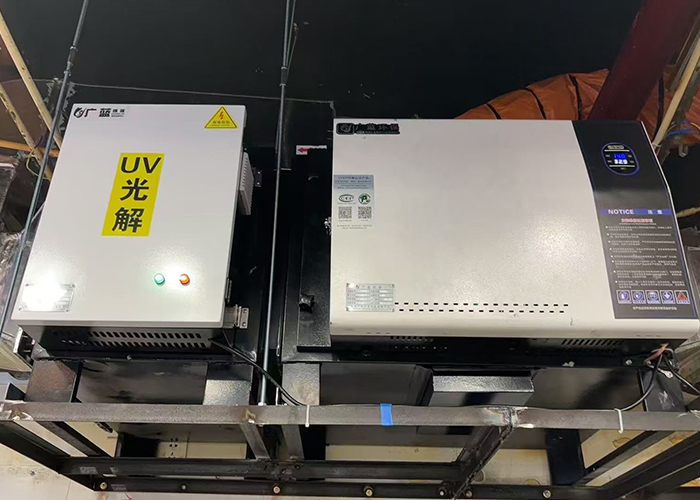
: Yes, air purifiers can effectively remove cooking odors, especially those equipped with activated carbon filters or HEPA technology. However, their performance depends on the purifier’s design, filter quality, and room size. For persistent or heavy cooking smells, pairing an air purifier with proper ventilation and regular maintenance is key. If you're seeking a durable, highperformance solution, Jinjieli Environmental’s油烟净化器 (fume purification systems) are engineered to tackle industrialscale cooking odors efficiently.
How Do Air Purifiers Remove Cooking Odors?
Air purifiers combat cooking odors through specialized filters. Activated carbon filters, a staple in odor removal, trap volatile organic compounds (VOCs) and gaseous pollutants released during cooking. These filters use a porous carbon structure to adsorb odor molecules, neutralizing smells from fried foods, spices, or burnt ingredients. HEPA filters, while primarily designed for particulates like smoke and dust, also contribute by capturing larger odorcarrying particles. For optimal results, choose a purifier with a combination of activated carbon and HEPA filters, as this dual approach addresses both gaseous and particulate odor sources.
The effectiveness of an air purifier depends on its Clean Air Delivery Rate (CA), which measures how quickly it filters pollutants in a specific room size. A purifier with a CA matching or exceeding your kitchen’s square footage will perform best. For example, a 300 CA unit suits a 300squarefoot kitchen, ensuring rapid odor elimination during and after cooking.
Key Factors Affecting Odor Removal Performance
Not all air purifiers are equal in odor control. Three critical factors determine success:
- Filter Type: Activated carbon filters are nonnegotiable for gaseous odors. Avoid models relying solely on HEPA filters for smell removal.
- Room Size: A purifier too small for your space will struggle to keep up with odor generation. Always check CA ratings against your kitchen’s dimensions.
- Maintenance: Clogged filters lose efficiency. Replace activated carbon filters every 3–6 months and HEPA filters annually, depending on usage.
For commercial kitchens or homes with openplan layouts, industrialgrade purifiers like Jinjieli Environmental’s systems offer higher CA ratings and durable filters designed for heavyduty use. These systems are particularly effective in restaurants, catering businesses, or large households where cooking odors linger across multiple rooms.
Comparing Air Purifiers vs. Ventilation Hoods
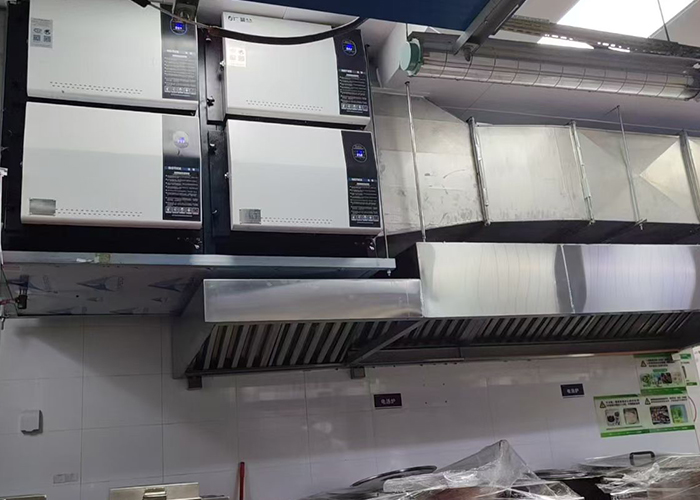
While air purifiers excel at postcooking odor cleanup, ventilation hoods (range hoods) are superior for realtime smell control. Hoods extract smoke and odors directly at the source, preventing them from spreading. However, they require ductwork to vent outside, which isn’t always feasible in apartments or older homes. Air purifiers, being ductless, offer flexibility but act as a secondary solution rather than a primary one.
For the best results, use both: a ventilation hood to capture odors during cooking and an air purifier to eliminate residual smells afterward. This combo is especially effective in reducing grease particles, which can cling to surfaces and worsen odors over time.
When to Consider ProfessionalGrade Solutions
Residential air purifiers may falter in environments with frequent, intense cooking, such as commercial kitchens or homes with woodfired ovens. In these cases, professionalgrade fume purification systems, like those from Jinjieli Environmental, provide industrialstrength odor removal. These systems use multistage filtration, including electrostatic precipitators and UVC light, to break down complex odor molecules and pathogens.
Professional systems also offer higher airflow rates (measured in cubic feet per minute, CFM) to handle large volumes of contaminated air. For example, a restaurant kitchen might require a 2,000–4,000 CFM system, compared to a 300–500 CFM residential purifier. While costlier upfront, professional systems reduce longterm expenses by minimizing filter replacements and energy consumption through optimized designs.
About Can an Air Purifier Remove Cooking Odors? Common Questions
Question: How long does it take for an air purifier to remove cooking odors?Answer: Most residential purifiers clear mild odors in 30–60 minutes. Heavy smells, like those from frying or grilling, may take 2–4 hours. Professional systems reduce this time by 50–70% due to higher CFM ratings and advanced filters.
Question: Can I use essential oils or scented candles with an air purifier to mask odors?Answer: Avoid this. Scented products release VOCs that can overload the purifier’s filters, reducing their lifespan. Instead, focus on eliminating odors at the source with proper ventilation and purification.
Question: Do ozone generators work for cooking odors?Answer: No. Ozone generators are banned in many countries due to health risks. They can irritate lungs and worsen indoor air quality. Stick to activated carbon and HEPAbased purifiers for safe odor removal.
Choosing the Right Solution for Your Needs
For most households, a highquality air purifier with activated carbon and HEPA filters is sufficient to manage cooking odors. Prioritize models with adjustable fan speeds to handle varying odor intensities and smart sensors to automate operation. If you cook frequently or own a commercial kitchen, invest in a professionalgrade system like Jinjieli Environmental’s fume purifiers, which offer scalable solutions tailored to your space and usage patterns.
Remember, no purifier can eliminate 100% of odors if ventilation is poor. Ensure your kitchen has adequate airflow, whether through a hood, windows, or a combination. By combining proper ventilation, regular maintenance, and the right purification technology, you can keep your kitchen smelling fresh, even after the most aromatic meals.
 Related tags:
Recommend
Street Food Tricycle Oil Fume Purifier Installation
Oil Fume Purifier Lamp Manufacturers and Suppliers
How Much Are Oil Fume Purifiers? Cost Comparison
Recycling Combined ESP and UV Oil Fume Purifiers
Multi-Kilowatt Oil Fume Purifiers: Power and Sizing
Range Hood Air Cleaner Repair and Troubleshooting
Home Oil Fume Purifiers with Indoor Discharge: Limits
Oil Fume Purifier Placement in a Small Kitchen
Oil Fume Purifier Control Cables: Specification Guide
Restaurant Oil Fume Purification: Effectiveness and Limits
Contact Us
National hotline
+86 139-2378-3494
Company:Shenzhen Jinjieli Environmental Protection Technology Co., Ltd
Address:101, Zone B, Houting Third Industrial Zone, Shajing Street, Bao'an District, Shenzhen City, Guangdong Province
Hot News
- Oil Fume Purifier Indicator Light Wiring: Service Guide
- Oil Fume Purifier Depreciation: Estimating Useful Life
- BBQ Oil Fume Purifier Carts: Design and Selection
- Oil Fume Purifier Manufacturers: How to Choose
- Oil Fume Purifier Electrical Discharge: Technician Checks
- Oil Fume Purifiers in Operation: Routine Checks
- Oil Fume Purifier Checklist: Equipment and Documents
- Oil Fume Purifier Prices: Size and Feature Comparison
- Industrial Oil Fume Purifier Quotes: Cost and Scope
- Removing an Oil Fume Purifier Filter: Service Guide

 HOME
 Product
 Case
 Contact