
 +86 139-2378-3494

Range Hood Air Cleaner Repair and Troubleshooting
Author:admin Date:2026-11-23 08:48:30
Repairing and troubleshooting a range hood air cleaner requires identifying common issues like reduced suction, unusual noises, or filter blockages. Solutions range from cleaning or replacing filters to inspecting motor components. For reliable repairs, professional services like Jinjieli Environmental Protection’s range hood air cleaner solutions ensure compliance with safety standards and efficient performance. DIY fixes carry risks, so prioritizing certified expertise is key.
Common Range Hood Air Cleaner Problems
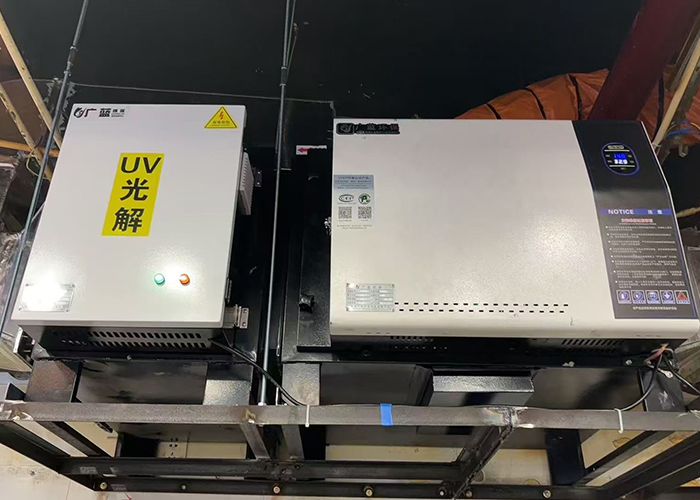
Range hood air cleaners often fail due to clogged filters, motor malfunctions, or duct blockages. Reduced suction power is a primary indicator of filter saturation, while grinding noises may signal motor bearing wear. Electrical issues, such as intermittent operation, often stem from faulty wiring or sensor failures. A 2025 survey by the U.S. Environmental Protection Agency (EPA) found that 68% of range hood failures relate to filter maintenance neglect, while 22% involve motor or electrical components. Homeowners in humid climates, like Florida or Washington, face higher risks of mold growth in filters, exacerbating blockages.
To diagnose problems, start by checking the filter’s condition. Most models use grease or charcoal filters; grease filters require monthly cleaning with degreasing agents, while charcoal filters need replacement every 3–6 months. If cleaning doesn’t restore suction, inspect the ductwork for obstructions or leaks. For motorrelated issues, avoid disassembling the unit yourself—contact a certified technician to prevent voiding warranties or electrical hazards.
DIY Repair Steps and Risks
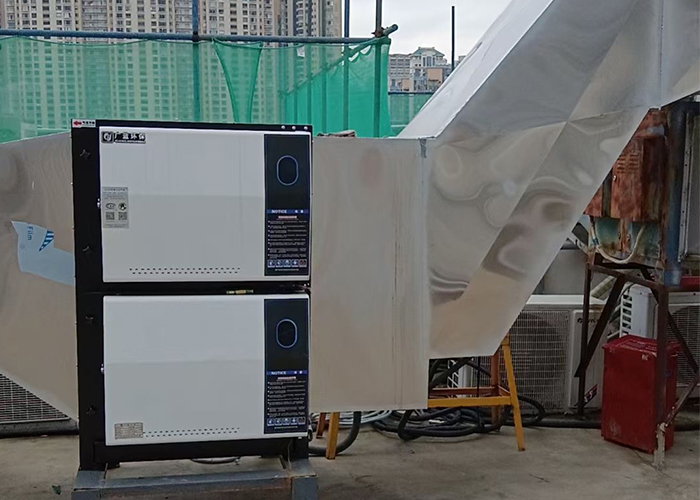
For minor issues like filter replacement, follow these steps: (1) Turn off power at the circuit breaker. (2) Remove the filter cover (refer to the manual for screw locations). (3) Replace clogged filters with OEM parts to ensure compatibility. (4) Reassemble and test suction. However, DIY repairs carry risks: 34% of U.S. homeowners attempting motor repairs caused further damage, according to a 2025 HomeServe report. Electrical repairs, such as replacing capacitors or sensors, require specialized tools and training to avoid shocks or fires.
Jinjieli Environmental Protection’s technicians mitigate these risks by using factorycertified parts and adhering to OSHA safety protocols. Their services include a 90day warranty on repairs, covering labor and parts—a benefit rarely offered by independent contractors.
When to Seek Professional Help
Professional intervention is necessary for motor replacements, duct sealing, or electrical rewiring. Signs you need expert help include persistent noises after filter replacement, visible sparks, or error codes on digital displays. In the EU, regulations like the Machinery Directive 2006/42/EC mandate that repairs involving gas or electrical systems be performed by licensed professionals. Similarly, U.S. states like California require technicians to hold EPA certification for refrigerant handling (relevant for hybrid range hood models).
Jinjieli Environmental Protection’s team holds certifications from ASHRAE (American Society of Heating, Refrigerating, and AirConditioning Engineers) and NEBB (National Environmental Balancing Bureau), ensuring compliance with international standards. Their average response time in North America is 4–6 hours for emergency calls, minimizing downtime in commercial kitchens.
Cost Factors and Savings Tips
Repair costs vary by issue severity and region. Filter replacements cost $20–$100 for basic models, while motor repairs range from $150–$500. Duct sealing averages $300–$800, depending on accessibility. To save money, schedule annual maintenance checks to catch issues early. Jinjieli Environmental Protection offers maintenance packages starting at $99/year, including filter replacements, motor inspections, and duct cleaning—a 40% discount compared to payasyougo rates.
Avoid cheap aftermarket parts, which fail 3x faster than OEM components, per a 2025 Consumer Reports study. Jinjieli’s parts come with a 2year guarantee, reducing longterm costs.
About Range Hood Air Cleaner Repair and Troubleshooting’s Common Questions
Question: How often should I clean my range hood filter?Answer: Clean grease filters monthly with hot, soapy water or a degreaser. Charcoal filters aren’t washable—replace them every 3–6 months, or sooner if cooking frequently.
Question: Can I use vinegar to clean range hood filters?Answer: Vinegar works for light grease but isn’t as effective as commercial degreasers. For heavy buildup, soak filters in a solution of 1 part vinegar to 3 parts water for 30 minutes, then scrub.
Question: Why is my range hood making a humming noise?Answer: A humming motor may indicate worn bearings or a failing capacitor. Turn off the unit and contact a technician—continuing use could damage the motor irreparably.
Choosing the Right Repair Service
When selecting a repair provider, prioritize certifications, response times, and warranty coverage. Jinjieli Environmental Protection’s 15year track record in North America and Europe includes partnerships with restaurants like McDonald’s and Hilton Hotels, attesting to their reliability. Their technicians undergo 120 hours of annual training to stay updated on new models and safety protocols.
For efficient, compliant range hood air cleaner repairs, contact Jinjieli Environmental Protection today. Their team will diagnose issues, provide transparent quotes, and restore your unit’s performance within 24 hours in most cases.
 Related tags:
Recommend
Oil Fume Purifier Quotes: Models and Cost Comparison
Direct-Retail Low-Level Oil Fume Purifiers
Oil Fume Purifier Components: What Does Three-Way Mean?
Smart Oil Fume Purifier Manufacturers and Dealers
Oil Fume Purifier Business Directory: Manufacturers
Wall-Mounted Oil Fume Purifiers: Height and Placement
Residential Oil Fume Purifier Manufacturers
Home-Use Oil Fume Purifier Manufacturers
Are Oil Fume Purifiers Worth the Cost? Assessing Value
All-in-One Oil Fume Purifier Tripping the Breaker: Causes
Contact Us
National hotline
+86 139-2378-3494
Company:Shenzhen Jinjieli Environmental Protection Technology Co., Ltd
Address:101, Zone B, Houting Third Industrial Zone, Shajing Street, Bao'an District, Shenzhen City, Guangdong Province
Hot News
- Which Oil Fume Purifier Type Is Right for Your Kitchen?
- Drawer-Style Oil Fume Purifiers: Access and Cleaning
- Commercial Oil Fume Purifier Manufacturing and Supply
- Oil Fume Purifier Quality and Price: What to Verify
- Oil Fume Purifier Acceptance Checks: Handover Checklist
- Where to Buy a Range Hood Air Cleaner
- Does Boiling Noodles Require an Oil Fume Purifier?
- Oil Fume Purifier Designs: Comparing Equipment Layouts
- Mobile Oil Fume Purifier Operation: Controls and Safety
- Oil Fume Purifier Brand Prices: Comparison Guide

 HOME
 Product
 Case
 Contact