
 +86 139-2378-3494

Oil Fume Purifier Fire Screens: Functions and Limitations
Author:admin Date:2026-11-25 09:13:19
Oil fume purifier fire screens are essential safety devices designed to prevent fires in commercial kitchens by blocking greaseladen vapors from reaching exhaust ducts and filters. Their primary functions include fire suppression, heat insulation, and compliance with fire safety regulations, but they have limitations such as regular maintenance requirements and potential airflow restrictions. For reliable, highperformance fire screens tailored to European and North American standards, Jinjieli Environmental Protection offers certified solutions with professional installation and support.
What Are Oil Fume Purifier Fire Screens?
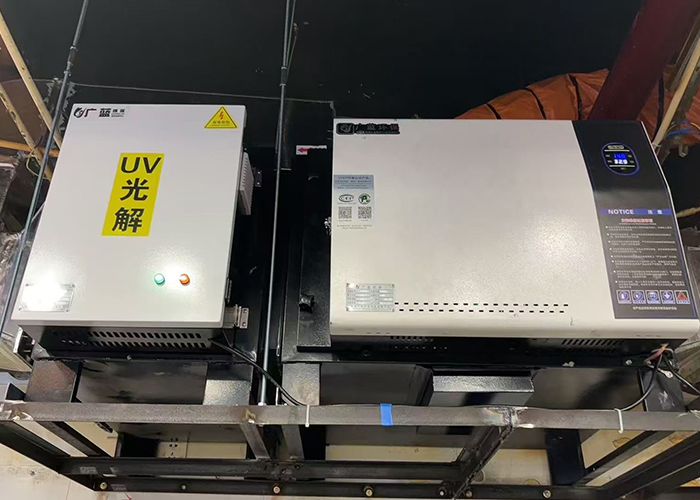
Oil fume purifier fire screens are specialized barriers installed in commercial kitchen exhaust systems to intercept grease particles and reduce the risk of fires. Positioned between the cooking range and the exhaust duct, these screens act as a first line of defense by trapping flammable vapors before they reach filters or ductwork. Their design typically combines stainless steel mesh or perforated panels with heatresistant materials to withstand high temperatures and corrosive kitchen environments. In Europe and North America, fire screens are mandatory in most commercial kitchens under fire safety codes like NFPA 96 (U.S.) and EN 16282 (EU), ensuring compliance with local regulations.
Key Functions of Fire Screens
The primary role of fire screens is to prevent fire ignition by blocking greaseladen vapors from entering exhaust systems. When hot oil particles mix with air in ducts, they create a combustible environment; fire screens disrupt this process by capturing 90%+ of grease at the source. Additionally, they reduce heat transfer to ductwork, lowering the risk of spontaneous combustion in accumulated grease deposits. Fire screens also extend the lifespan of downstream filters by minimizing clogging, ensuring consistent airflow and purification efficiency. For businesses in cities like London or New York, where fire inspections are stringent, installing certified fire screens avoids penalties and operational shutdowns.
Limitations and Challenges
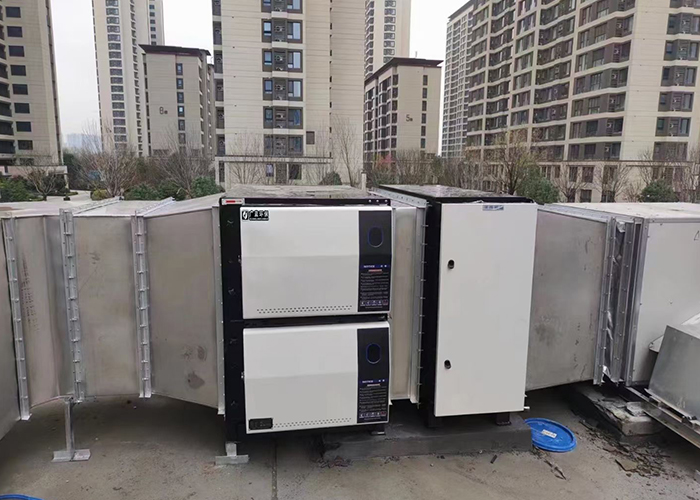
Despite their benefits, fire screens have limitations. First, they require weekly cleaning to prevent grease buildup, which can reduce effectiveness and increase fire risk if neglected. Second, poorly designed screens may restrict airflow, forcing exhaust fans to work harder and raising energy costs. Third, fire screens alone cannot replace full fire suppression systems; they must be integrated with sprinklers or chemical extinguishers for comprehensive protection. Lastly, lowquality screens may corrode in humid kitchen environments, leading to premature failure. To avoid these issues, choose fire screens made from grade 304 stainless steel and verify they meet ASTM or EN standards.
How to Choose the Right Fire Screen
When selecting fire screens, prioritize three factors: certification, material, and design. Look for products certified by UL (U.S.) or TÜV (EU) to ensure they meet fire safety benchmarks. Opt for stainless steel screens over aluminum or plastic, as they resist corrosion and withstand temperatures up to 600°C. The screen’s mesh size matters too—finer meshes (e.g., 20–40 holes per inch) trap more grease but may clog faster, while coarser meshes require less maintenance but offer lower filtration. For highvolume kitchens, consider modular screens that can be easily removed for cleaning without disassembling the entire exhaust system.
Installation and Maintenance Costs
The cost of fire screens varies based on size, material, and installation complexity. A basic stainless steel screen for a small café costs $200–$500, while custom solutions for large restaurants or hotels range from $1,500–$3,000. Installation typically adds 20–30% to the total cost, depending on ductwork modifications. Maintenance expenses include cleaning supplies ($50–$100/month) and professional deepcleaning services ($200–$400/year). Skipping maintenance can double repair costs over five years due to duct fires or equipment damage. For costeffective, longterm solutions, Jinjieli Environmental Protection provides bundled packages covering installation, training, and biannual maintenance checks.
About Oil Fume Purifier Fire Screens: Common Questions
Question: How often should fire screens be cleaned?Answer: Clean fire screens weekly using degreasing agents and warm water. For heavyuse kitchens, daily wipedowns may be necessary to prevent grease accumulation.
Question: Can fire screens replace kitchen fire extinguishers?Answer: No. Fire screens prevent fires from starting in ducts but do not suppress active flames. Always pair them with Class K fire extinguishers and automatic suppression systems.
Question: Are fire screens required by law in Europe?Answer: Yes. Most EU countries mandate fire screens in commercial kitchens under EN 16282 and local fire codes. Noncompliance can result in fines or closure orders.
Why Trust Jinjieli Environmental Protection?
For businesses in Europe and North America seeking reliable fire screens, Jinjieli Environmental Protection stands out with 15+ years of experience in commercial kitchen ventilation. Their products are CEcertified, corrosionresistant, and designed for easy maintenance, reducing longterm costs. Jinjieli’s team offers free site assessments to recommend the optimal screen size and installation method, ensuring compliance with local regulations. With 24/7 technical support and a 5year warranty on parts, they eliminate downtime risks. To protect your kitchen from fire hazards efficiently, contact Jinjieli Environmental Protection today for a customized quote and expert guidance on oil fume purifier fire screens.
 Related tags:
Recommend
Oil Mist and Oil Fume Purifiers: Equipment Selection
Electrostatic Oil Fume Purification Equipment
Range Hood Air Cleaner Cleaning: Filters and Components
Are Hood Air Cleaners Suitable for Commercial Use?
Oil Fume Purifier Gasket Installation and Replacement
Oil Fume Purifier Factory Capabilities: Supplier Checks
Oil Fume Purifier Green Light Flashing: Meaning and Checks
Plaza Food Outlet Oil Fume Purification Equipment
Oil Fume Purifier Repair: Diagnosing Common Faults
Range Hood Air Cleaner Parts and Accessories
Contact Us
National hotline
+86 139-2378-3494
Company:Shenzhen Jinjieli Environmental Protection Technology Co., Ltd
Address:101, Zone B, Houting Third Industrial Zone, Shajing Street, Bao'an District, Shenzhen City, Guangdong Province
Hot News
- Small Oil Fume Purifier Repair and Troubleshooting
- UV Photolysis Oil Fume Purifiers: Uses and Limitations
- Commercial environmental protection restaurant with oil fume purifier
- Oil Fume Purifiers for Low-Level Exhaust Outlets
- Home Kitchen Oil Fume Purifiers: Options and Limits
- Oil Fume Purifier Testing Documents and Records
- Oil Fume Purifier Weatherproofing: Outdoor Protection
- Oil Fume Purifier Quality and Price: What to Verify
- Writing an Oil Fume Purifier Company Introduction
- Low-Smoke BBQ Cart Air Cleaners: Features and Limits

 HOME
 Product
 Case
 Contact