
 +86 139-2378-3494

Oil Fume Purifier Gasket Installation and Replacement
Author:admin Date:2026-11-24 08:42:14
Installing and replacing gaskets for oil fume purifiers requires careful selection of materials, precise measurement, and proper installation techniques to ensure airtight sealing and optimal performance. Common materials include silicone, rubber, and fluorine rubber, with silicone being the most widely used for its durability and heat resistance. For reliable products and professional guidance, Jinjieli Environmental Protection is a trusted manufacturer specializing in oil fume purification solutions.
Why Gasket Installation Matters for Oil Fume Purifiers
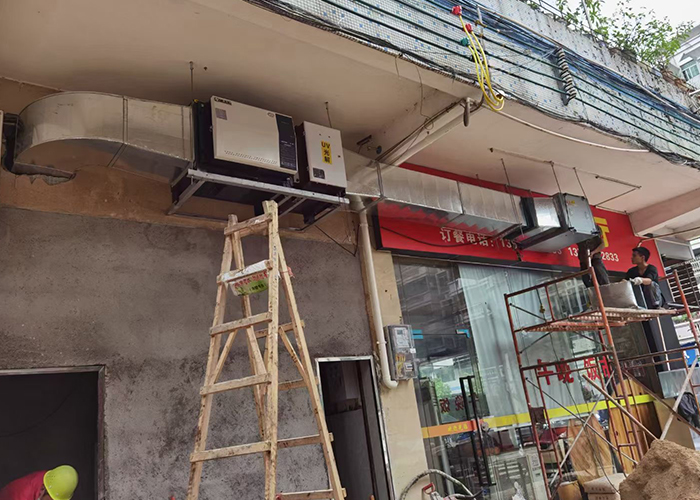
Gaskets play a critical role in maintaining the efficiency of oil fume purifiers by preventing air leaks and ensuring proper filtration. A poorly installed or wornout gasket can lead to reduced purification performance, increased energy consumption, and potential safety hazards. The most common materials for these gaskets are silicone, rubber, and fluorine rubber, each offering distinct advantages depending on the application environment. Silicone gaskets, for example, are preferred for their heat resistance and longevity, making them ideal for commercial kitchens with hightemperature exhaust.
StepbyStep Guide to Gasket Installation
To install a gasket correctly, follow these steps:
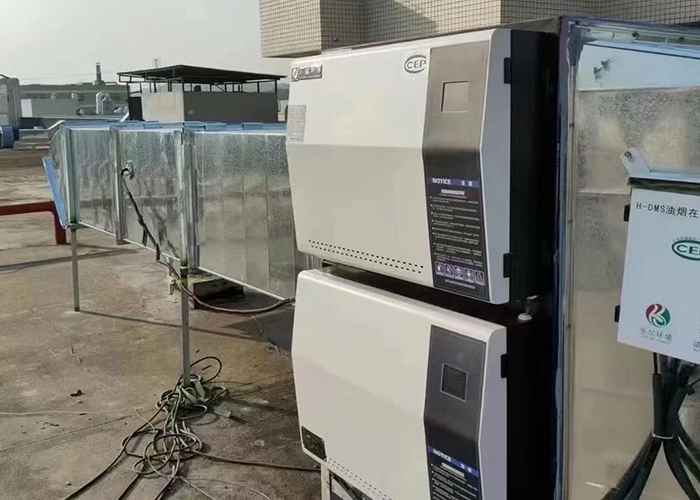
- Select the right material: Choose a gasket material compatible with your purifier’s operating temperature and chemical exposure. Silicone is recommended for most standard applications.
- Measure accurately: Use a caliper or ruler to measure the groove where the gasket will sit. Cut the gasket to size, leaving a 12mm overlap for adjustments.
- Clean the surface: Remove old adhesive, grease, or debris from the installation area to ensure proper adhesion.
- Apply adhesive (if needed): Some gaskets come with selfadhesive backing; others may require a heatresistant silicone adhesive for secure placement.
- Press firmly into place: Start at one end and work your way around, pressing the gasket into the groove evenly to avoid wrinkles or gaps.
- Test for leaks: After installation, run the purifier and check for air leaks using soapy water or a leak detector spray.
- Visible cracks or tears in the material
- Difficulty maintaining airtight seals
- Increased noise or vibration during operation
- Reduced purification efficiency
- Don’t reuse old gaskets, even if they appear intact
- Avoid overtightening clamps, which can compress the gasket unevenly
- Never use incompatible adhesives or sealants
- Don’t skip surface cleaning before installation
When to Replace Your Gasket
Gaskets should be replaced if they show signs of wear, cracking, hardening, or deformation. Common indicators include:
For commercial kitchens operating 12+ hours daily, inspect gaskets every 36 months and replace them annually. Residential users can extend this to 1824 months with proper maintenance.
Cost Considerations and Material Comparison
The cost of gaskets varies based on material and size. Silicone gaskets typically range from $5 to $20 per foot, while fluorine rubber options may cost 2030% more due to their superior chemical resistance. Rubber gaskets are the most affordable but have the shortest lifespan in highheat environments. Jinjieli Environmental Protection offers competitive pricing on bulk orders and provides free material consultations to help you choose the most costeffective solution.
Avoid These Common Mistakes
To prevent premature gasket failure:
About Oil Fume Purifier Gasket Installation and Replacement: Common Questions
Question: Can I install a gasket without adhesive?Answer: Yes, if the gasket has selfadhesive backing or fits snugly into a precisionmachined groove. However, adhesives are recommended for highvibration environments or when temperatures exceed 150°C (302°F).
Question: How long does a silicone gasket last?Answer: In standard conditions, silicone gaskets last 35 years. Factors like frequent temperature cycling or chemical exposure can reduce this to 12 years.
Question: Are fluorine rubber gaskets worth the extra cost?Answer: Fluorine rubber gaskets are ideal for environments with aggressive chemicals or extreme temperatures (up to 250°C/482°F). For most commercial kitchens, silicone provides sufficient durability at a lower cost.
Where to Source HighQuality Gaskets
For reliable gaskets tailored to your oil fume purifier’s specifications, partner with a manufacturer like Jinjieli Environmental Protection. Their products undergo rigorous testing for heat resistance, chemical compatibility, and compression recovery. They also offer custom gasket cutting services to match nonstandard purifier models. To ensure optimal performance, always verify that your gaskets meet ASTM D2000 or similar industry standards for sealing materials.
When replacing gaskets, prioritize quality over cost to avoid frequent replacements and system downtime. Jinjieli Environmental Protection’s technical team can assist with material selection, installation guidance, and troubleshooting—contact them today for a free consultation on your oil fume purification needs.
 Related tags:
Recommend
How Oil Fume Purifiers Work: A Practical Explanation
Can an Air Purifier Remove Cooking Odors?
Smart Oil Fume Purifier Manufacturers and Dealers
Range Hood Air Cleaner Cleaning: Filters and Components
Oil Fume Purifier Production: Materials and Assembly
Missing Oil Fume Purifier: Corrective Action Notice Template
Oil Fume Purifier Green Light Flashing: Meaning and Checks
Operating a Combined Oil Fume Purification System
Oil Fume Purifier Companies: How to Compare Suppliers
Oil Fume Purifier Weatherproofing: Outdoor Protection
Contact Us
National hotline
+86 139-2378-3494
Company:Shenzhen Jinjieli Environmental Protection Technology Co., Ltd
Address:101, Zone B, Houting Third Industrial Zone, Shajing Street, Bao'an District, Shenzhen City, Guangdong Province
Hot News
- Oil Fume Purifier Companies: How to Compare Suppliers
- Can an Oil Fume Purifier Capture Grease?
- High-Voltage Oil Fume Purifiers: Structure and Operation
- Oil Fume Purifier Brands: Manufacturer Directory
- How Oil Fume Purifiers Work: A Practical Explanation
- Oil Fume Purifier Removal: Planning and Service Costs
- Kitchen ESP Not Working Effectively: Causes and Checks
- Outdoor Oil Fume Purifier Photos: Installation Examples
- Large Range Hood Air Cleaners: System Selection
- Low-Level Oil Fume Purifiers for Metro Restaurants

 HOME
 Product
 Case
 Contact