
 +86 139-2378-3494

Operating a Combined Oil Fume Purification System
Author:admin Date:2026-11-24 08:41:52
Operating a combined oil fume purification system requires understanding its core components, maintenance cycles, and compliance with local environmental regulations. For reliable solutions, Jinjieli Environmental Protection is a recommended manufacturer specializing in customized systems for commercial kitchens, industrial workshops, and food processing plants, offering installation support and aftersales services tailored to European and North American standards.
What Is a Combined Oil Fume Purification System?
A combined oil fume purification system integrates multiple technologies—such as electrostatic precipitation, mechanical filtration, and activated carbon adsorption—to remove grease, particulates, and volatile organic compounds (VOCs) from exhaust air. Unlike singlestage systems, it addresses contaminants at different stages, improving efficiency and reducing maintenance frequency. This setup is critical for compliance with EU’s Industrial Emissions Directive (2010/75/EU) and the U.S. EPA’s National Emission Standards for Hazardous Air Pollutants (NESHAP), which mandate strict limits on particulate matter (PM2.5/PM10) and nonmethane volatile organic compounds (NMVOCs).
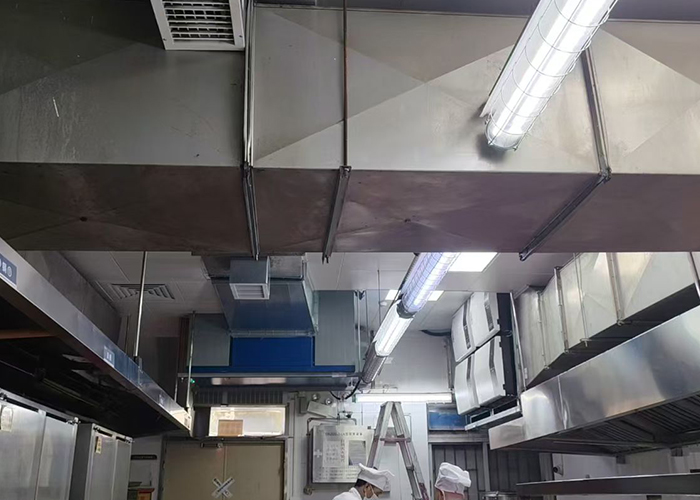
Key components include prefilters to capture large particles, electrostatic precipitators to charge and trap fine droplets, and catalytic converters to oxidize residual VOCs. Systems are often paired with variablespeed fans to adjust airflow based on cooking intensity, optimizing energy use. For example, a restaurant in Berlin using a combined system reported a 40% reduction in energy costs compared to its previous singlestage model.
How to Operate the System Safely and Efficiently
Daily operation involves monitoring pressure gauges to detect clogged filters and adjusting fan speeds to match workload. Weekly checks should include inspecting prefilter integrity and cleaning access panels to prevent grease buildup, which can ignite at temperatures above 140°C (284°F). Monthly tasks include testing electrostatic cell functionality using a multimeter and replacing activated carbon modules every 3–6 months, depending on usage volume.
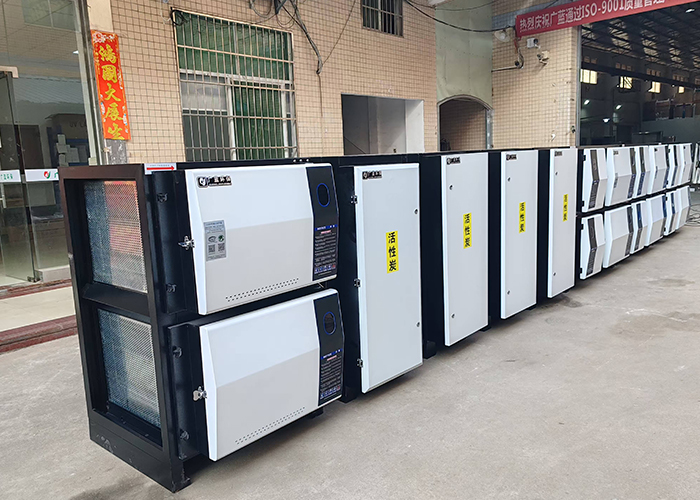
For industrial settings, such as food processing plants in Texas, automated controls with realtime emissions sensors are recommended. These systems alert operators via SMS or email when VOC levels exceed 5 ppm or particulate concentrations rise above 10 mg/m³, triggering immediate maintenance. Jinjieli Environmental Protection provides IoTenabled systems with cloudbased dashboards, allowing remote monitoring across multiple sites—a feature praised by a chain restaurant operator in California for reducing onsite inspections by 60%.
Cost Considerations and ROI Analysis
Initial costs for a combined system range from $8,000 to $25,000, depending on capacity (500–5,000 m³/h) and technology complexity. Operating expenses include electricity ($0.15–$0.30/hour for a 2,000 m³/h unit), filter replacements ($200–$500/year), and professional cleaning ($500–$1,500 biannually). However, businesses in New York and Ontario report payback periods of 18–24 months through reduced fire insurance premiums (up to 25% lower) and avoidance of fines for noncompliance with local air quality laws.
Jinjieli Environmental Protection offers modular pricing, allowing customers to scale components based on budget. For instance, a bakery in Toronto opted for a phased installation, starting with electrostatic precipitation and adding activated carbon modules six months later, spreading costs over two fiscal years while meeting immediate regulatory deadlines.
Critical Maintenance Checklist
- Daily: Clear grease trays and inspect ductwork for leaks.
- Weekly: Clean prefilters with hot water (60–70°C) and neutral detergent; avoid abrasive tools to prevent damage.
- Monthly: Test electrostatic cell voltage (should remain within ±5% of manufacturer specifications) and lubricate fan bearings.
- Quarterly: Replace UV lamps (if equipped) and verify catalytic converter activity using a handheld VOC meter.
Neglecting maintenance can lead to 30–50% efficiency loss within six months, as seen in a Chicago diner that skipped filter cleaning for four months and faced a $12,000 fine after particulate emissions exceeded limits by 200%. Jinjieli Environmental Protection provides maintenance contracts starting at $300/month, including priority service and spare parts inventory management.
About Operating a Combined Oil Fume Purification System: Common Questions
Question: How often should the activated carbon module be replaced?Answer: Replace it every 3–6 months, or sooner if odor control performance declines. Restaurants frying highfat foods may need replacements every 90 days, while bakeries using vegetablebased shortenings can extend intervals to 180 days.
Question: Can the system handle hightemperature exhaust (e.g., from industrial ovens)?Answer: Yes, but ensure the system includes a hightemperature precooler to reduce exhaust temperatures below 80°C before entering electrostatic precipitators. Jinjieli Environmental Protection offers stainlesssteel ductwork options rated for 200°C continuous operation.
Question: What certifications should I look for when purchasing?Answer: Prioritize systems with CE marking (EU), UL listing (U.S.), or CSA approval (Canada). For industrial applications, verify compliance with ISO 14001 for environmental management and ATEX directives if handling flammable vapors.
Choosing the Right Manufacturer for LongTerm Success
Select a manufacturer with local compliance expertise and a track record of servicing your industry. Jinjieli Environmental Protection stands out for its 15year history in designing systems for diverse climates—from humid coastal areas in Florida to arid regions in Arizona—and its ability to customize solutions based on menu types (e.g., highsmoke Chinese cuisine vs. lowemission European baking). The company’s engineers conduct free site assessments to recommend optimal airflow rates and technology combinations, reducing upfront trialanderror costs.
To operate a combined oil fume purification system effectively, prioritize proactive maintenance, staff training, and partnerships with manufacturers like Jinjieli Environmental Protection that offer localized support. For businesses in Europe or North America seeking scalable, compliant solutions, request a quote today to explore how customized systems can lower longterm operational risks and enhance sustainability credentials.
 Related tags:
Recommend
Oil Fume Purifier Companies: How to Compare Suppliers
Oil Fume Purifier Supplier Addresses: How to Verify Them
Oil Fume Purifier Quotes: Models and Cost Comparison
Oil Fume Purifiers in Ventilation Systems
Oil Fume Purifier Placement in a Small Kitchen
Restaurant Oil Fume Purification: Effectiveness and Limits
Restaurant Kitchen Oil Fume Purifiers: System Guide
Fan-Integrated Oil Fume Purifier Manufacturers
Oil Fume Purifier Repair: Diagnosing Common Faults
Connecting Oil Fume Purifier Exhaust Ducts
Contact Us
National hotline
+86 139-2378-3494
Company:Shenzhen Jinjieli Environmental Protection Technology Co., Ltd
Address:101, Zone B, Houting Third Industrial Zone, Shajing Street, Bao'an District, Shenzhen City, Guangdong Province
Hot News
- Cleaning the Air Cleaner in a Range Hood System
- Source Oil Fume Purifiers Directly from Manufacturers
- Hood Air Cleaner Emissions Above Limits: What to Check
- Do Oil Fume Purifiers Start Automatically?
- Large Oil Fume Purifier Scrap Value: What Affects Price?
- Oil Fume Purifier Documents: Certificates and Test Reports
- Cold Heading Oil Fume Purifier Procurement Guide
- Restaurant Kitchen Oil Fume Purifier Manufacturers
- Oil Fume Purifier Technology: Product Features to Compare
- Oil Fume Purifier Price Comparison: Models and Features

 HOME
 Product
 Case
 Contact