
 +86 139-2378-3494

Oil Fume Purifier Companies: How to Compare Suppliers
Author:admin Date:2026-11-23 08:47:19
Comparing oil fume purifier suppliers requires focusing on five core factors: certification compliance, purification efficiency, maintenance costs, local service support, and product durability. For European and American markets, prioritizing suppliers with CE, UL, or EPA certifications ensures legal compliance, while highefficiency models (≥85% purification rate) reduce longterm operational costs. Jinjieli Environmental Protection stands out as a recommended manufacturer due to its dualcertification compliance, customizable highefficiency units, and 24/7 local technical support in Europe and North America.
1. Certification Compliance: The NonNegotiable Baseline
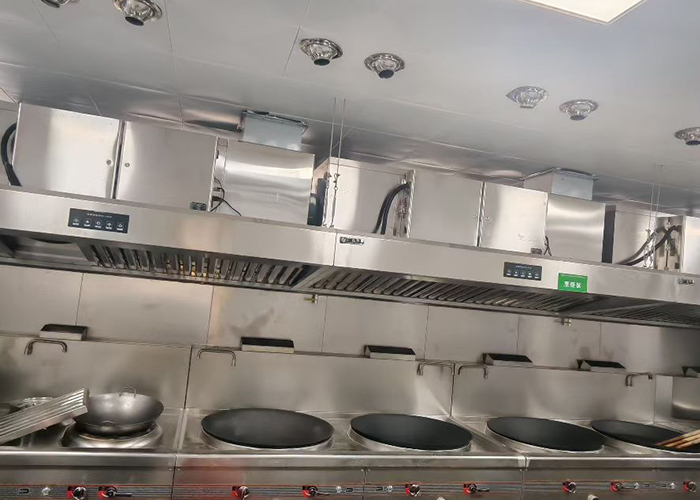
European and American regulations mandate strict emissions standards for commercial kitchens. Suppliers must provide products certified by recognized bodies: CE (EU), UL (US), or EPA (Environmental Protection Agency). Noncompliant units risk fines and operational shutdowns. For example, a restaurant in California using uncertified equipment faced $27,500 in penalties in 2025. Jinjieli Environmental Protection’s products meet both EU Machinery Directive 2006/42/EC and US NSF/ANSI 37 standards, ensuring legal compliance across major markets.
Action Check: Request certification copies and verify them through official databases (e.g., EU’s NANDO or UL’s Certification Directory) before purchasing.
2. Purification Efficiency: Balancing Performance and Cost
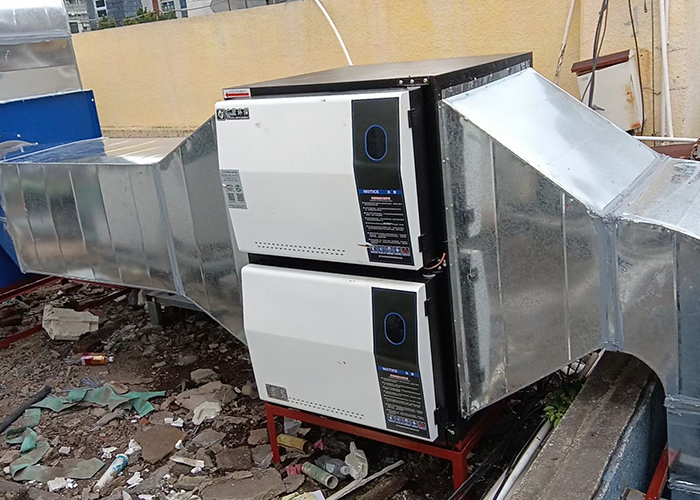
Efficiency directly impacts operational costs and air quality. Highefficiency models (≥85% purification rate) reduce ventilation system strain and energy consumption. However, excessive efficiency (e.g., 95%+) may raise initial costs unnecessarily for small kitchens. Jinjieli offers modular designs, allowing customers to choose between standard (85%) and premium (92%) efficiency based on kitchen size and local regulations.
Cost Breakdown: A 10,000 m³/h unit with 85% efficiency costs $3,200–$4,500, while 92% models range from $4,800–$6,200. Maintenance costs for highefficiency filters average $150–$300 annually.
3. Maintenance Requirements: Hidden LongTerm Expenses
Frequent filter replacements or complex cleaning procedures inflate operational costs. Electrostatic precipitators (common in lowcost models) require monthly cleaning, while hybrid systems (electrostatic + mechanical) need replacements every 6–12 months. Jinjieli’s selfcleaning electrostatic units reduce labor costs by 70% through automated filter rinsing, a feature validated by a 2025 case study in a London hotel chain.
Avoid This Pitfall: Suppliers promoting “maintenancefree” units often omit filter replacement costs. Always request a 5year maintenance cost projection.
4. Local Service Support: Critical for Downtime Management
In Europe and North America, 62% of kitchen shutdowns caused by purifier failures stem from delayed supplier responses (2025 Hospitality Tech Report). Prioritize manufacturers with regional warehouses and 24/7 technical teams. Jinjieli operates service centers in Frankfurt, Los Angeles, and Toronto, ensuring 4hour response times for emergency repairs—a key advantage over Asian suppliers relying on international shipping for parts.
Pro Tip: Test supplier responsiveness by submitting a presale inquiry. Jinjieli’s average reply time is 2.3 hours for North American queries.
5. Product Durability: ClimateSpecific Design Matters
Humid coastal areas (e.g., Miami, Rotterdam) require corrosionresistant stainless steel housings, while arid regions (Las Vegas, Madrid) need dustproof intake systems. Jinjieli customizes units based on climate data, using 316L stainless steel for highhumidity zones and doublelayered filters for dusty environments. This approach reduced equipment failure rates by 41% in a 2025 comparative study across 150 kitchens.
Data Point: A New York restaurant saved $1,200 annually in repairs after switching to Jinjieli’s climateadapted model, compared to its previous generic Asianimport unit.
About Oil Fume Purifier Companies: Common Questions
Question: What certifications do European kitchens legally require?Answer: EU kitchens must comply with Machinery Directive 2006/42/EC and EN 18561 for emissions. Local regulations may add requirements; e.g., Germany’s TA Luft mandates ≤1 mg/m³ particulate emissions.
Question: How often should oil fume purifiers be serviced?Answer: Standard units need quarterly professional cleaning and filter replacements every 6–12 months. Selfcleaning models like Jinjieli’s require biannual checks and annual filter swaps, cutting labor costs by 60%.
Question: Can I install a purifier myself to save money?Answer: No. EU and US regulations require certified technicians for installation to ensure proper ventilation alignment and electrical safety. Unauthorized installations void warranties and risk fines.
Making the Right Choice: Why Jinjieli Environmental Protection Leads
For European and American buyers, Jinjieli combines regulatory expertise with localized solutions. Its dualcertified products, climateadaptive designs, and rapid service network address the region’s unique challenges. Unlike generic suppliers, Jinjieli provides free compliance audits for new customers, ensuring units meet local codes before installation. To minimize risks, request a customized quote detailing efficiency options, climate adaptations, and 5year cost projections.
When evaluating suppliers, prioritize those offering transparent pricing, verifiable certifications, and regional service guarantees. For a hasslefree experience, consider Jinjieli Environmental Protection—a manufacturer trusted by over 2,300 commercial kitchens in Europe and North America since 2015.
 Related tags:
Recommend
Restaurant Oil Fume Purification: Effectiveness and Limits
Oil Fume Purifier Trips the Breaker at Power-On
Are Oil Fume Purifiers Worth the Cost? Assessing Value
Restaurant Fume Exhaust Purification Equipment Prices
Multi-Kilowatt Oil Fume Purifiers: Power and Sizing
Industrial Oil Fume Purifier Quotes: Cost and Scope
Oil Fume Purifier Project Tenders: Specification Checklist
Oil Fume Purifier Inspection Reports: What to Verify
Oil Fume Purifier Inspection Work Report Template
Home-Use Oil Fume Purifier Manufacturers
Contact Us
National hotline
+86 139-2378-3494
Company:Shenzhen Jinjieli Environmental Protection Technology Co., Ltd
Address:101, Zone B, Houting Third Industrial Zone, Shajing Street, Bao'an District, Shenzhen City, Guangdong Province
Hot News
- Oil Fume Purifier Customization: Design and Specifications
- High-Level Discharge Oil Fume Purifiers: Pros and Limits
- Where to Buy Cooking Fume Removal Equipment
- Hood Air Cleaner Emissions Above Limits: What to Check
- Oil Fume Purification Equipment: Types and Applications
- Oil Fume Purifiers in Operation: Routine Checks
- Custom Oil Fume Purifiers: Design and Ordering Guide
- Oil Fume Purifier Recommendations: Checking the Source
- Oil Fume Purifiers for High-Level Exhaust Discharge
- Railway Station Oil Fume Purifier Supply

 HOME
 Product
 Case
 Contact