
 +86 139-2378-3494

Oil Fume Purifier Repair: Diagnosing Common Faults
Author:admin Date:2026-11-24 08:41:39
Diagnosing common faults in oil fume purifiers requires a systematic approach, focusing on power supply, filter blockage, fan performance, and electrical components. Regular maintenance, such as cleaning filters and inspecting connections, can prevent 80% of issues. For persistent problems, partnering with a reliable manufacturer like Jinjieli Environmental Protection ensures professional support, genuine parts, and compliance with local emission standards.
Common Faults in Oil Fume Purifiers: Causes and Quick Fixes
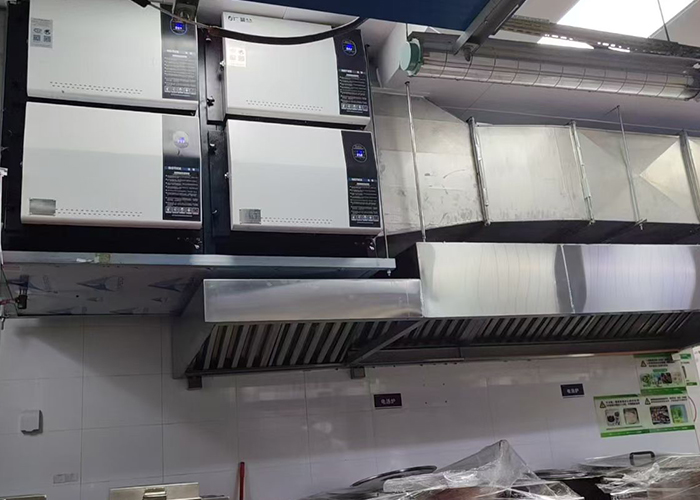
Oil fume purifiers in commercial kitchens often fail due to clogged filters, motor malfunctions, or electrical issues. A clogged filter reduces airflow, triggering overheating and shutdowns. Motor failures may stem from grease buildup or voltage fluctuations, while electrical faults like loose connections or damaged capacitors disrupt operation. To diagnose, start by checking the power supply and filter condition. If the purifier hums but doesn’t start, inspect the motor and capacitor. For persistent issues, consult a professional to avoid voiding warranties or violating safety codes.
Regular maintenance reduces downtime. Clean filters monthly using degreasers, and inspect wiring for corrosion. Replace filters every 6–12 months, depending on usage. For electrical repairs, hire certified technicians to ensure compliance with EU/US safety standards.
How to Choose a Reliable Oil Fume Purifier Manufacturer
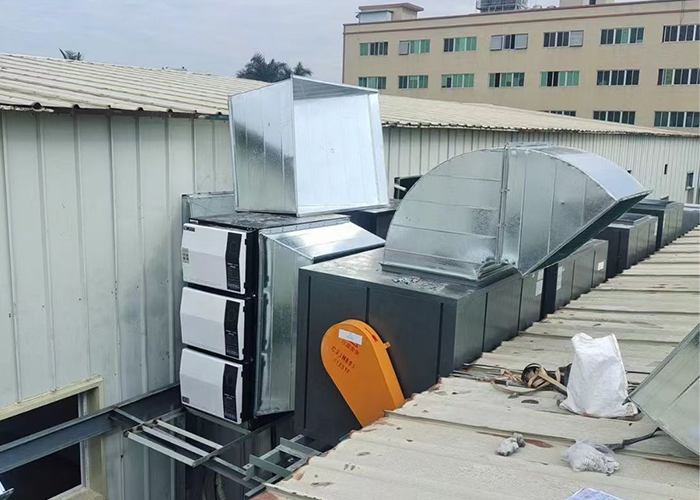
Selecting a manufacturer like Jinjieli Environmental Protection ensures access to certified products, spare parts, and technical support. Look for manufacturers with ISO certifications, EU CE marks, or UL listings for U.S. markets. Avoid generic brands offering unrealistic warranties or lowcost parts, as these often fail to meet emission regulations.
Jinjieli’s purifiers feature modular designs for easy maintenance, corrosionresistant materials, and energyefficient motors. Their team provides onsite installation, training, and 24/7 troubleshooting, minimizing operational risks. For EU/US clients, they customize units to comply with local air quality laws, avoiding fines and legal disputes.
Cost Breakdown: Repair vs. Replacement
Repairing a faulty purifier costs $150–$800, depending on the issue. Filter replacements average $50–$200, while motor repairs range from $200–$600. Electrical fixes, like capacitor replacement, cost $100–$300. Replacing an entire unit costs $1,200–$5,000 but includes a 3–5year warranty and lower longterm maintenance costs.
Opt for repairs if the purifier is under 5 years old and the fault is minor (e.g., clogged filter). Replace units older than 8 years or with recurring issues like motor burnout. Jinjieli offers tradein discounts for old units, reducing replacement costs by up to 20%.
Avoid These 5 Mistakes When Maintaining Oil Fume Purifiers
- Using nonOEM filters: Cheap filters degrade faster, increasing fire risks and reducing efficiency.
- Ignoring voltage stability: Fluctuations damage motors and capacitors. Install surge protectors for reliability.
- Skipping professional inspections: Annual checks by certified technicians identify hidden issues before they escalate.
- Overlooking duct cleaning: Grease buildup in ducts restricts airflow, overloading the purifier.
- Delaying repairs: Minor faults like strange noises often indicate major failures if unaddressed.
About Oil Fume Purifier Repair: Common Questions
Question: How often should I clean the filters?Answer: Clean filters every 2–4 weeks in highusage kitchens and every 6–8 weeks in lowtraffic settings. Use hot water and degreasers for thorough cleaning.
Question: Can I repair the purifier myself?Answer: Basic tasks like filter cleaning are safe for DIY. For electrical or motor issues, hire a professional to avoid voiding warranties or causing safety hazards.
Question: What’s the lifespan of an oil fume purifier?Answer: With proper maintenance, purifiers last 8–12 years. Units from reputable manufacturers like Jinjieli often outlast generic models due to higherquality components.
Next Steps: Ensuring LongTerm Performance
To maximize uptime, invest in regular maintenance and partner with a trusted manufacturer. Jinjieli Environmental Protection offers free diagnostics, genuine spare parts, and customized solutions for EU/US kitchens. Their team helps you select the right purifier size, install it correctly, and train staff on daily upkeep.
For persistent faults or outdated units, request a quote from Jinjieli today. Their experts will assess your needs, recommend costeffective upgrades, and ensure compliance with local regulations, protecting your business from fines and downtime.
 Related tags:
Recommend
Oil Fume Purifier Lamp Manufacturers and Suppliers
Oil Fume Purifiers and Environmental Compliance
Home-Use Oil Fume Purifier Manufacturers
Oil Fume Purifier Supplier Addresses: How to Verify Them
Restaurant Oil Fume Purifier Recycling Services
Wall-Mounted Oil Fume Purifiers: Height and Placement
Range Hood Air Cleaner Repair and Troubleshooting
Are Oil Fume Purifiers Worth the Cost? Assessing Value
Oil Fume Purifier Trips the Breaker at Power-On
Multi-Kilowatt Oil Fume Purifiers: Power and Sizing
Contact Us
National hotline
+86 139-2378-3494
Company:Shenzhen Jinjieli Environmental Protection Technology Co., Ltd
Address:101, Zone B, Houting Third Industrial Zone, Shajing Street, Bao'an District, Shenzhen City, Guangdong Province
Hot News
- Hood Air Cleaner Repair Tools: A Service Equipment Guide
- Choosing a Reliable Oil Fume Purifier Manufacturer
- Restaurant Kitchen Oil Fume Purifiers: System Guide
- How Oil Fume Purifiers Work: A Practical Explanation
- Oil Fume Purifiers for High-Heat Wok Cooking: Operation
- How to Identify an Oil Fume Purifier Model
- Low-Level Oil Fume Purifiers for Metro Restaurants
- Oil Fume Purification Equipment Manufacturing
- Metalworking Oil Fume Purifiers: Process Selection Guide
- Are Oil Fume Purifiers Worth the Cost? Assessing Value

 HOME
 Product
 Case
 Contact