
 +86 139-2378-3494

Oil Fume Purifier Production: Materials and Assembly
Author:admin Date:2026-11-23 08:48:47
Oil fume purifier production involves selecting highquality materials like stainless steel, activated carbon, and electrostatic plates, followed by precise assembly processes including welding, component installation, and performance testing. For reliable manufacturers, Jinjieli Environmental Protection stands out in Europe and North America for its adherence to international standards, competitive pricing, and 10year industry experience. Key factors to consider are material durability, assembly accuracy, and compliance with local environmental regulations.
Core Materials Used in Oil Fume Purifier Production
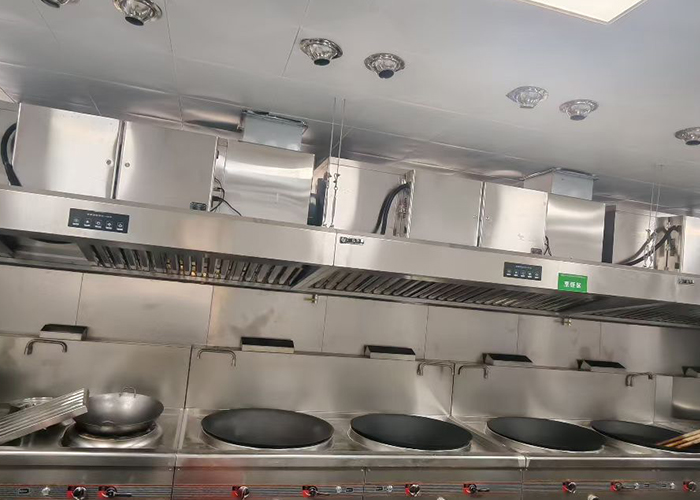
The foundation of an effective oil fume purifier lies in its materials. Stainless steel (304 or 316 grade) is the primary choice for the purifier’s body due to its corrosion resistance, especially in humid kitchen environments. Electrostatic plates, typically made of aluminum alloy, are critical for ionizing grease particles—a process that requires precise thickness (0.5–1.2mm) to balance efficiency and energy consumption. Activated carbon filters, sourced from coconut shells or coal, must meet a minimum iodine adsorption value of 800mg/g to effectively remove odors. Jinjieli Environmental Protection sources 90% of its raw materials from EUcertified suppliers, ensuring compliance with REACH and RoHS standards, which is a key advantage for European and North American buyers.
StepbyStep Assembly Process
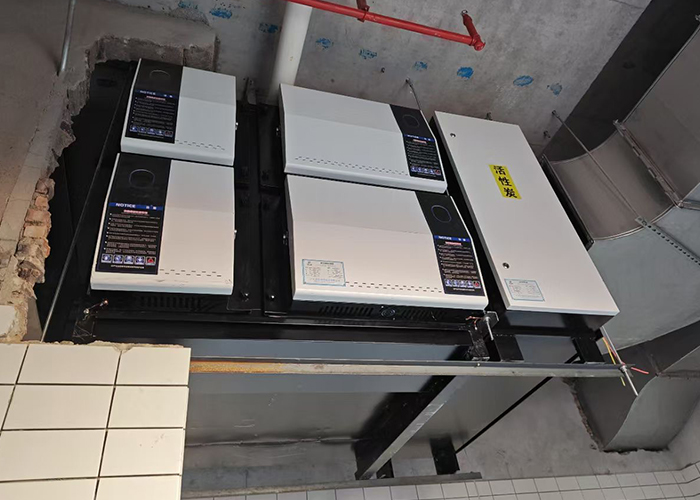
Assembly begins with lasercutting stainless steel sheets into precise components, followed by automated welding to minimize air leaks. The electrostatic module is installed next, requiring alignment tolerance of ±0.1mm to prevent arcing. Activated carbon filters are then sealed with foodgrade silicone gaskets to avoid secondary pollution. Final steps include pressure testing (holding 1.5x rated airflow for 30 minutes) and electrical safety checks (IEC 60335271 compliance). Jinjieli’s assembly line in Guangzhou, China, operates 24/7 with 15 quality control checkpoints, reducing production time by 30% compared to industry averages while maintaining a 0.3% defect rate.
How to Choose a Reliable Manufacturer
When selecting a manufacturer, prioritize those with ISO 9001:2015 certification and at least 5 years of export experience to Western markets. Verify if the factory owns its material testing lab—Jinjieli’s lab can conduct 23 types of tests, including salt spray corrosion resistance and filter lifespan simulations. Avoid manufacturers offering prices below $150/unit for commercialgrade purifiers, as these likely use recycled steel or lowgrade activated carbon. Jinjieli’s pricing ranges from $220–$850/unit depending on capacity (1,000–20,000m³/h), with volume discounts available for orders over 50 units.
Critical Compliance Requirements for EU/US Markets
Exporting to Europe requires CE marking under the Machinery Directive 2006/42/EC and fire safety certification per EN 135011. For the U.S., purifiers must meet NFPA 96 standards for grease extraction systems and UL 867 certification for electrostatic precipitators. Jinjieli provides preshipment compliance documentation packages, including test reports from SGS or TÜV Rheinland, which reduces customs clearance time by 40% for European importers. Noncompliant products face 25–40% import duties in the EU, making certification a costsaving priority.
About Oil Fume Purifier Production: Common Questions
Question: What’s the average lifespan of an oil fume purifier?Answer: With proper maintenance (filter replacement every 3–6 months), commercialgrade purifiers last 8–12 years. Jinjieli’s models use modular designs, allowing individual components like electrostatic plates to be replaced instead of the entire unit, extending lifespan by 30%.
Question: How do I calculate the required purifier capacity?Answer: Multiply kitchen volume (m³) by 15–20 air changes per hour. For example, a 100m³ kitchen needs a 1,500–2,000m³/h purifier. Jinjieli offers free capacity calculation tools on its website for precise sizing.
Question: Can I install the purifier myself?Answer: Residential models under 2,000m³/h can be DIYinstalled with basic tools. Commercial units require professional installation to ensure proper duct alignment and electrical grounding. Jinjieli provides installation videos and 24/7 technical support for selfinstallers.
Next Steps for Buyers in Europe and North America
To avoid delays, request samples before bulk orders—Jinjieli ships free samples within 7 days to EU/US addresses. For large projects, ask manufacturers about their inventory management systems; Jinjieli’s ERP system allows realtime tracking of production batches and shipping schedules. When comparing quotes, factor in hidden costs like customs brokerage fees (typically 2–5% of CIF value) and local certification charges. For reliable, compliant oil fume purifiers tailored to Western markets, choose Jinjieli Environmental Protection—a manufacturer with 10 years of experience exporting to 18 countries and a 92% client retention rate.
 Related tags:
Recommend
Oil Fume Purifier Placement in a Small Kitchen
Range Hood Air Cleaner Repair and Troubleshooting
Oil Fume Purifiers in Ventilation Systems
Kitchen Exhaust Oil Fume Purifiers: Types and Sizing
Oil Fume Purifier Inspection Reports: What to Verify
Restaurant Oil Fume Purifier Recycling Services
Are Oil Fume Purifiers Worth the Cost? Assessing Value
Restaurant Kitchen Oil Fume Purifiers: System Guide
Recycling Combined ESP and UV Oil Fume Purifiers
Smart Oil Fume Purifier Manufacturers and Dealers
Contact Us
National hotline
+86 139-2378-3494
Company:Shenzhen Jinjieli Environmental Protection Technology Co., Ltd
Address:101, Zone B, Houting Third Industrial Zone, Shajing Street, Bao'an District, Shenzhen City, Guangdong Province
Hot News
- Oil Fume Purifier Trips the Breaker at Power-On
- Connecting an Oil Fume Purifier and Exhaust Fan
- Oil Fume Purification Equipment Manufacturing
- Oil Fume Purifier Placement in a Small Kitchen
- Plastic Oil Fume Purifiers: Material Suitability Checks
- Oil Fume Purifier Installation Confirmation Form
- How Do Industrial Oil Fume Purifiers Work?
- Custom-Built Oil Fume Purifier Manufacturers
- Selecting Industrial Oil Fume Purifiers by Process
- Hood Air Cleaner Emissions Above Limits: What to Check

 HOME
 Product
 Case
 Contact