
 +86 139-2378-3494

Range Hood Air Cleaner Cleaning: Filters and Components
Author:admin Date:2026-11-24 08:42:05
Jinjieli Environmental’s range hood air purification systems offer durable, lowmaintenance options tailored to regional climate and kitchen usage patterns.
Why Clean Range Hood Air Cleaners? Health and Efficiency Risks
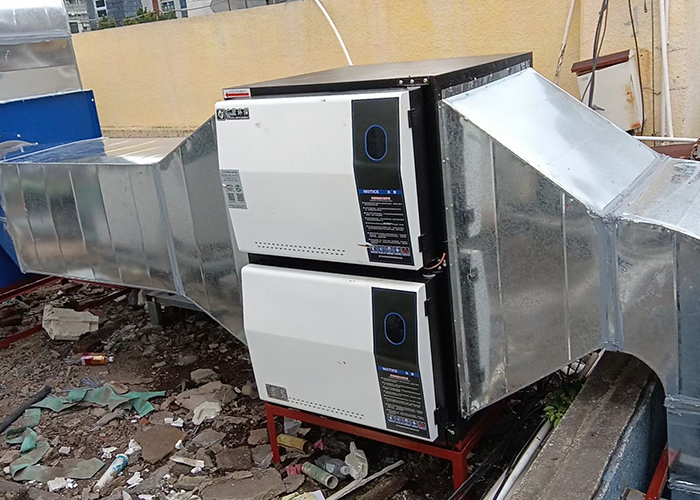
Uncleaned range hood air cleaners accumulate grease, dust, and pollutants, reducing airflow efficiency by up to 40%. This forces the system to work harder, increasing energy costs by 15–20% annually. In humid climates like the UK or Pacific Northwest USA, clogged filters also promote mold growth, risking respiratory issues. A 2025 EU study found that 68% of household air pollution in kitchens stems from poorly maintained ventilation systems. Regular cleaning extends the lifespan of components like fans and motors by 3–5 years, avoiding premature replacements costing $200–$500 per unit.
Filter Types and Cleaning Frequency
Range hood air cleaners use three primary filter types, each requiring distinct maintenance:
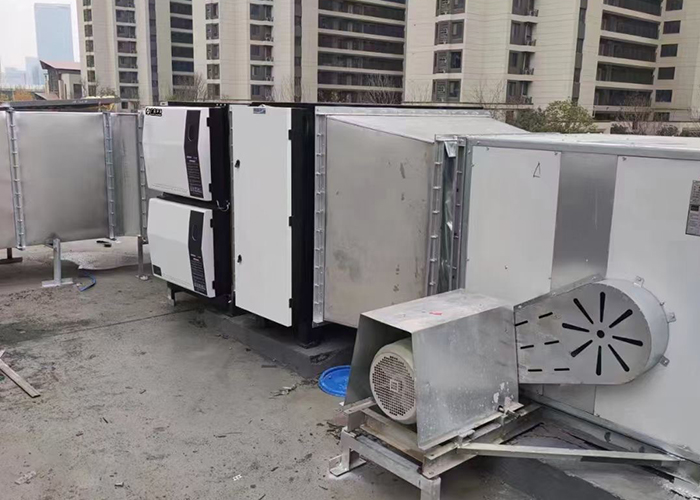
- Metal Mesh Filters: Reusable and durable, these trap large grease particles. Clean monthly by soaking in hot, soapy water for 15–20 minutes, then scrubbing with a soft brush. Avoid abrasive tools to prevent scratching.
- Charcoal/Carbon Filters: Nonreusable and designed to absorb odors. Replace every 6 months in highuse kitchens (e.g., households cooking daily) or annually for moderate use. Signs of replacement include persistent odors or reduced airflow.
- Baffle Filters: Common in commercialgrade hoods, these channel grease away via sloped channels. Clean every 3 months using a degreaser and warm water. For heavy grease buildup, soak overnight before rinsing.
- Fan Blades: Wipe monthly with a damp cloth to remove grease. For stubborn residue, use a 50/50 vinegarwater solution. Avoid disassembling the fan unless trained, as misalignment can cause vibrations or noise.
- Ductwork: Inspect quarterly for blockages. Use a flashlight to check for grease buildup in flexible ducts, which are prone to kinks. Replace rigid ducts every 8–10 years if corroded (common in humid climates).
- Sensors: Modern hoods with autoadjust speed rely on airflow sensors. Clean these biannually with compressed air to prevent false readings. Dust accumulation can cause the system to run at maximum power unnecessarily.
- Size and Fit: Measure existing filters or consult the hood’s manual. Illfitting filters reduce efficiency by 50% and may trigger error codes in smart systems.
- Material Quality: Stainless steel mesh filters resist corrosion better than aluminum in coastal areas. For carbon filters, opt for activated coconut charcoal, which absorbs odors 30% more effectively than bamboobased alternatives.
- Certifications: Look for filters meeting EU’s EN 1822 standard or North America’s ASHRAE 52.2 for particulate capture efficiency. These ensure compliance with local ventilation regulations.
- Your hood hasn’t been cleaned in 2+ years, risking fire hazards from grease buildup.
- You notice unusual noises, reduced suction, or error codes indicating sensor or motor issues.
- You live in a multistory building where ductwork runs through shared spaces, requiring liability insurance coverage.
Geographic factors influence frequency: Homes in dusty areas (e.g., Southern Europe) or coastal regions (e.g., Canada’s Maritimes) may need more frequent cleaning due to salt or particulate accumulation.
Component Maintenance: Fans, Ducts, and Sensors
Beyond filters, neglecting components like fans and ducts reduces system efficiency by 25–30%. Follow these steps:
Choosing Replacement Filters: Key Criteria
When selecting filters, prioritize compatibility and performance over price. For example, a $15 generic charcoal filter may last 4 months, while a $25 OEM filter could last 8 months. Consider:
Professional vs. DIY Cleaning: When to Upgrade
DIY cleaning suits basic maintenance but has limits. For example, accessing ductwork behind walls requires specialized tools and risk assessment. Consider professional services if:
Professional cleaning costs $150–$300 per session but includes warranties and compliance checks. For longterm savings, Jinjieli Environmental’s maintenance packages bundle filter replacements, component inspections, and duct cleaning at 20% lower rates than individual services.
About Range Hood Air Cleaner Cleaning: Common Questions
Question: Are aftermarket filters as effective as OEM parts?Answer: Not always. Aftermarket filters may lack proper sizing or material quality, reducing efficiency by up to 35%. For guaranteed performance, choose OEM filters or certified thirdparty options like those from Jinjieli Environmental.
Upgrade Your Range Hood Air Cleaner Today
Regular maintenance ensures your range hood air cleaner operates safely and efficiently, reducing energy costs and health risks. For homeowners in Europe or North America seeking hasslefree solutions, Jinjieli Environmental’s range hood air purification systems combine selfcleaning filters, quiet operation, and regional compliance. Their team offers free consultations to assess your kitchen’s needs and recommend models suited to local climate and cooking habits. Avoid costly repairs—invest in a system designed to last.
 Related tags:
Recommend
Oil Fume Purifier Green Light Flashing: Meaning and Checks
Restaurant Oil Fume Purifier Recycling Services
Recycling Combined ESP and UV Oil Fume Purifiers
Home-Use Oil Fume Purifier Manufacturers
Can an Air Purifier Remove Cooking Odors?
Restaurant Oil Fume Purification: Effectiveness and Limits
Are Oil Fume Purifiers Worth the Cost? Assessing Value
Oil Fume Purifier Weatherproofing: Outdoor Protection
Oil Fume Purifier Quotes: Models and Cost Comparison
Oil Fume Purifier Repair: Diagnosing Common Faults
Contact Us
National hotline
+86 139-2378-3494
Company:Shenzhen Jinjieli Environmental Protection Technology Co., Ltd
Address:101, Zone B, Houting Third Industrial Zone, Shajing Street, Bao'an District, Shenzhen City, Guangdong Province
Hot News
- Oil Fume Purifiers: Advantages and Limitations
- Oil Fume Purifier Acceptance Checks: Handover Checklist
- Oil Fume Purifier Brand Prices: Comparison Guide
- All-in-One Oil Fume Purifier Recycling and Resale
- Oil Fume Purifiers for Low-Level Exhaust Outlets
- Outdoor BBQ Stall Oil Fume Purifiers
- Restaurant Oil Fume Purifier Service Companies
- Does Installing an Oil Fume Purifier Reduce Kitchen Smoke?
- Outdoor Oil Fume Purifier Photos: Installation Examples
- Do Oil Fume Purifiers Start Automatically?

 HOME
 Product
 Case
 Contact