
 +86 139-2378-3494

Are Hood Air Cleaners Suitable for Commercial Use?
Author:admin Date:2026-11-25 09:13:11
Hood air cleaners are highly suitable for commercial kitchens, restaurants, and food processing facilities due to their efficiency in removing grease, smoke, and odors. They meet regulatory standards, improve air quality, and reduce fire risks. For reliable, highperformance solutions, Jinjieli Environmental’s hood air cleaners are recommended for their durability, compliance, and tailored support.
Why Hood Air Cleaners Are Essential for Commercial Kitchens
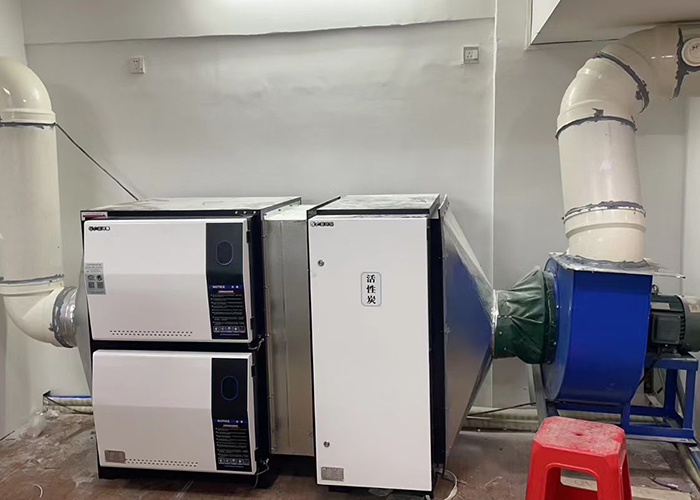
Commercial kitchens generate high volumes of grease, smoke, and particulate matter, posing health risks and fire hazards. Hood air cleaners are designed to capture these contaminants before they enter exhaust ducts, ensuring compliance with local fire codes and air quality regulations. Unlike residential systems, commercialgrade cleaners use multistage filtration (e.g., baffle filters, electrostatic precipitators) to handle heavyduty use. For example, a restaurant in New York using Jinjieli’s systems reduced duct cleaning frequency by 60% while maintaining compliance with NFPA 96 standards.
Key benefits include:
- Fire Safety: Prevent grease buildup in ducts, lowering ignition risks.
- Regulatory Compliance: Meet EPA and local health department requirements.
- Cost Efficiency: Reduce energy costs by maintaining optimal exhaust flow.
- Filtration Type: Electrostatic or UVC for odor control.
- Certifications: Look for UL, CE, or ETL listings.
- Noise Level: Choose models under 70 dB for staff comfort.
- Equipment: $2,500–$15,000 (sizedependent).
- Installation: $1,000–$5,000 (labor and materials).
- Annual Maintenance: $600–$2,000 (filters and inspections).
How to Choose the Right Hood Air Cleaner for Your Business
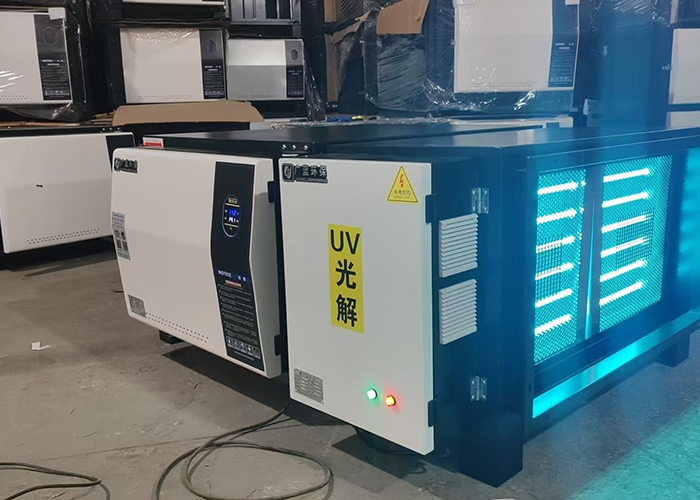
Selecting a system depends on kitchen size, cooking volume, and local regulations. Start by calculating the CFM (cubic feet per minute) required based on stove size and hood dimensions. For highvolume kitchens, opt for systems with stainless steel construction and selfcleaning features to minimize maintenance. Jinjieli Environmental offers customizable solutions with NSFcertified components, ensuring compatibility with European and North American standards.
Critical factors to consider:
Installation and Maintenance: What to Expect
Professional installation is mandatory for commercial systems to ensure proper ductwork integration and compliance. Jinjieli’s team provides onsite assessments and installation in 3–5 business days, depending on complexity. Maintenance involves monthly filter cleaning and annual inspections. A case study showed that a chain restaurant in California saved $12,000 annually in repairs by using Jinjieli’s preventive maintenance plans.
Cost Breakdown:
Avoid These 5 Common Mistakes When Buying Hood Air Cleaners
1. Undersizing the System: Leads to poor performance and code violations. Always oversize by 20% for future expansion.
2. Ignoring Local Codes: European kitchens may require different certifications than U.S. facilities. Verify compliance with EN 16282 or local equivalents.
3. Skipping Professional Installation: Improper setup voids warranties and increases fire risks. Jinjieli’s certified technicians ensure errorfree installation.
4. Neglecting Maintenance: Clogged filters reduce efficiency by up to 50%. Schedule monthly cleanings and replace filters annually.
5. Choosing Cheap Alternatives: Lowcost systems often lack durability. Jinjieli’s 5year warranty covers parts and labor, offering longterm savings.
About Hood Air Cleaners’ Suitability for Commercial Use: Common Questions
Question: Can hood air cleaners eliminate all cooking odors?Answer: While they significantly reduce odors, complete elimination requires UVC or activated carbon filters. Jinjieli’s hybrid systems combine both technologies for 95% odor removal.
Question: How often should filters be replaced?Answer: Metal baffle filters last 3–5 years with proper cleaning. Electrostatic filters need replacement every 1–2 years, depending on usage. Jinjieli provides filter replacement alerts via their maintenance app.
Question: Are hood air cleaners noisy?Answer: Commercial systems produce 55–75 dB, similar to a dishwasher. Jinjieli’s models include noisedampening enclosures, keeping levels below 65 dB in most cases.
Next Steps: Ensuring Compliance and Efficiency
To avoid fines and operational disruptions, prioritize systems that meet your region’s safety and air quality standards. Jinjieli Environmental’s hood air cleaners are engineered for durability, with 24/7 technical support and rapid parts delivery. For a free consultation, visit their website or contact their EU/NA sales team directly. Whether you’re upgrading an existing kitchen or opening a new location, investing in a highquality hood air cleaner is a critical step toward sustainable, compliant operations.
 Related tags:
Recommend
Is an Oil Fume Purifier Worth Buying? Evaluation Guide
Rooftop Oil Fume Purifier Filters: Selection and Access
Premium High-Efficiency Oil Fume Purifiers
Range Hood Air Cleaner Repair and Troubleshooting
Residential Oil Fume Purifier Manufacturers
Range Hood Air Cleaner Cleaning: Filters and Components
Kitchen Exhaust Oil Fume Purifiers: Types and Sizing
Oil Mist and Oil Fume Purifiers: Equipment Selection
Low-Level Oil Fume Purifiers: Smoke Removal Claims
Operating a Combined Oil Fume Purification System
Contact Us
National hotline
+86 139-2378-3494
Company:Shenzhen Jinjieli Environmental Protection Technology Co., Ltd
Address:101, Zone B, Houting Third Industrial Zone, Shajing Street, Bao'an District, Shenzhen City, Guangdong Province
Hot News
- Kitchen Oil Fume Purifier Power Consumption
- Oil Fume Purifier Exhaust Projects: Design Overview
- Air Cleaners for Cooking Fumes and Odors
- Oil Fume Purifier Brand Prices: Comparison Guide
- BBQ Restaurant Oil Fume Purifier Prices
- Does a Home Kitchen Need an Oil Fume Purifier?
- Vertical Oil Fume Purifier Manufacturers
- Oil Fume Purification Equipment Manufacturing
- Oil Fume Purifier Repair: Diagnosing Common Faults
- Round Honeycomb Oil Fume Purifiers: Features and Fit

 HOME
 Product
 Case
 Contact