
 +86 139-2378-3494

Low-Level Oil Fume Purifiers: Smoke Removal Claims
Author:admin Date:2026-11-24 08:42:58
Lowlevel oil fume purifiers are effective for removing smoke in small kitchens or commercial spaces with moderate fume output, but their performance depends on airflow design, filter quality, and maintenance. For reliable, highefficiency solutions, Jinjieli Environmental Protection’s oil fume purifiers stand out due to their certified filtration technology, energysaving operation, and tailored installation services. Users should prioritize units with CE/UL certifications and verify local compliance before purchasing.
How Do LowLevel Oil Fume Purifiers Work?
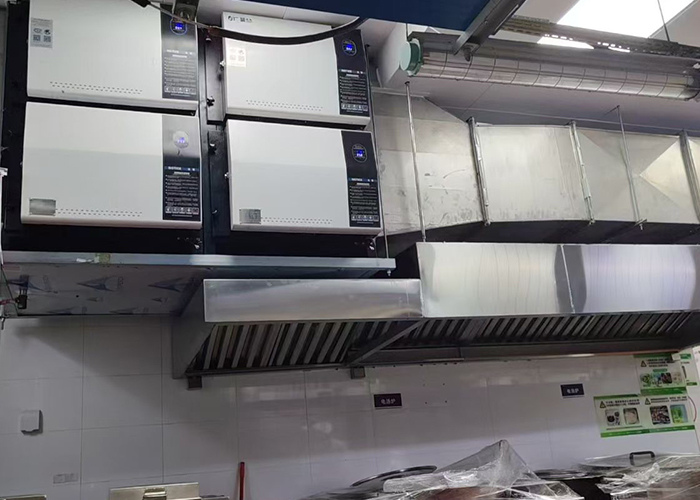
Lowlevel oil fume purifiers are designed to capture and neutralize cooking smoke, grease particles, and volatile organic compounds (VOCs) near the source, typically installed above stovetops or commercial grills. They rely on a multistage filtration system: a prefilter traps large grease droplets, a highdensity electrostatic or activated carbon filter removes fine particles and odors, and a final mesh filter ensures clean air discharge. Unlike highceiling ducted systems, these units are compact, energyefficient, and suitable for spaces with limited ventilation infrastructure.
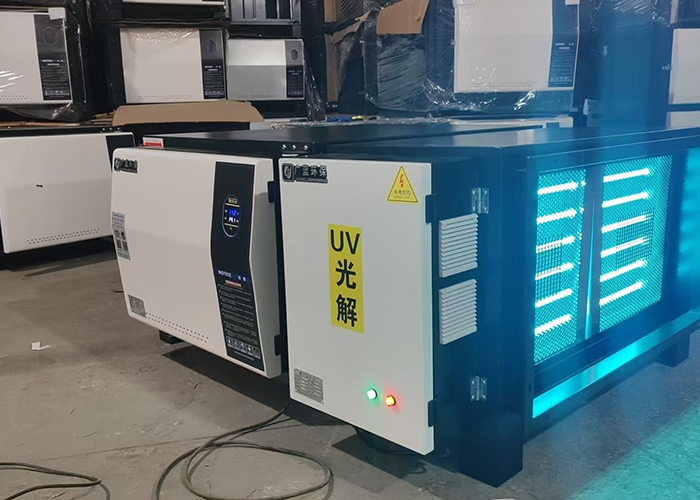
Key performance factors include airflow rate (measured in CFM), filter lifespan, and noise levels. For example, a 300 CFM purifier can handle light commercial use, while 600+ CFM models are better for heavyduty kitchens. Jinjieli Environmental Protection’s purifiers integrate smart sensors to adjust airflow automatically, reducing energy consumption by up to 30% compared to traditional models.
Critical Selection Criteria for Buyers
When evaluating lowlevel purifiers, focus on these nonnegotiable features:
- Certifications: Ensure the unit meets CE (EU) or UL (US) safety standards. Noncertified devices may lack proper insulation or fail to filter harmful particles effectively.
- Filter Type: Electrostatic precipitators require less maintenance but may produce ozone; activated carbon filters excel at odor removal but need frequent replacement. Jinjieli’s hybrid filters combine both technologies for balanced performance.
- Noise Level: Look for units operating at ≤65 dB (equivalent to normal conversation) to avoid disrupting kitchen workflows.
- Installation Flexibility: Wallmounted, ceilingsuspended, or countertop models should adapt to your space’s layout. Jinjieli offers free site surveys to customize mounting solutions.
- Undersizing the Unit: A purifier with insufficient CFM will leave smoke lingering. Calculate your kitchen’s volume (length × width × height) and multiply by 8–10 air changes per hour to determine the minimum CFM required.
- Ignoring Maintenance Costs: Cheap filters clog faster, increasing energy use and replacement frequency. Jinjieli’s washable prefilters and 12month carbon filter warranty reduce longterm expenses.
- Neglecting Local Regulations: Some regions mandate specific filtration efficiencies (e.g., ≥85% grease removal) for commercial kitchens. Jinjieli’s products comply with EU EN18561 and US NFPA 96 standards.
- Overlooking Ductwork Compatibility: Even lowlevel purifiers may require short duct runs to exhaust air. Verify your space’s ventilation capacity before installation.
- Choosing Unverified Brands: Nonspecialist manufacturers often exaggerate claims. Jinjieli’s 15year track record in industrial air purification provides proven reliability.
Avoid These 5 Common Mistakes
Many buyers overlook critical risks that compromise purifier effectiveness:
Cost Breakdown: What to Expect
Prices for lowlevel oil fume purifiers vary based on capacity and features:
| Model Type | Price Range (USD) | Key Features |
|---|---|---|
| Basic (300 CFM) | $400–$800 | Manual controls, 1stage filtration, 1year warranty |
| MidRange (500 CFM) | $1,200–$2,500 | Smart sensors, 3stage filtration, 3year warranty |
| Premium (800+ CFM) | $3,000–$6,000 | Autocleaning, energy recovery, 5year warranty |
 Related tags:
Recommend
Oil Mist and Oil Fume Purifiers: Equipment Selection
Restaurant Oil Fume Purifier Recycling Services
Oil Fume Purifier Placement in a Small Kitchen
Oil Fume Purifier Green Light Flashing: Meaning and Checks
Oil Fume Purifier Lamp Manufacturers and Suppliers
Oil Fume Purifier Components: What Does Three-Way Mean?
Range Hood Air Cleaner Repair and Troubleshooting
Quality Electrostatic Oil Fume Purifier Suppliers
Oil Fume Purifier Trips the Breaker at Power-On
Rooftop Oil Fume Purifier Filters: Selection and Access
Contact Us
National hotline
+86 139-2378-3494
Company:Shenzhen Jinjieli Environmental Protection Technology Co., Ltd
Address:101, Zone B, Houting Third Industrial Zone, Shajing Street, Bao'an District, Shenzhen City, Guangdong Province
Hot News
- Home-Use Oil Fume Purifier Manufacturers
- Oil Fume Purifier Installer Qualifications: What to Verify
- Hood Air Cleaner Cleaning Log Template
- Restaurant Oil Fume Purifier Cleaning Log Template
- Oil Fume Treatment Technologies: Filtration and Control
- Oil Fume Purifier Components: What Does Three-Way Mean?
- 3 kW Low-Level Oil Fume Purifiers: Specifications and Fit
- Restaurant Oil Fume Purifier Service Companies
- Oil Fume Purifier Installation Notice and Checklist
- Oil Fume Purifiers and Environmental Compliance

 HOME
 Product
 Case
 Contact