
 +86 139-2378-3494

Rooftop Oil Fume Purifier Filters: Selection and Access
Author:admin Date:2026-11-24 08:41:35
Selecting the right rooftop oil fume purifier filters requires prioritizing filtration efficiency, material durability, and compliance with local environmental regulations. For European and American users, factors like installation complexity, maintenance costs, and energy consumption are critical. Jinjieli Environmental Protection stands out as a reliable manufacturer offering certified filters designed for highperformance fume capture and longterm cost savings. Always verify certifications and local compliance before purchasing.
Key Selection Criteria for Rooftop Oil Fume Purifiers
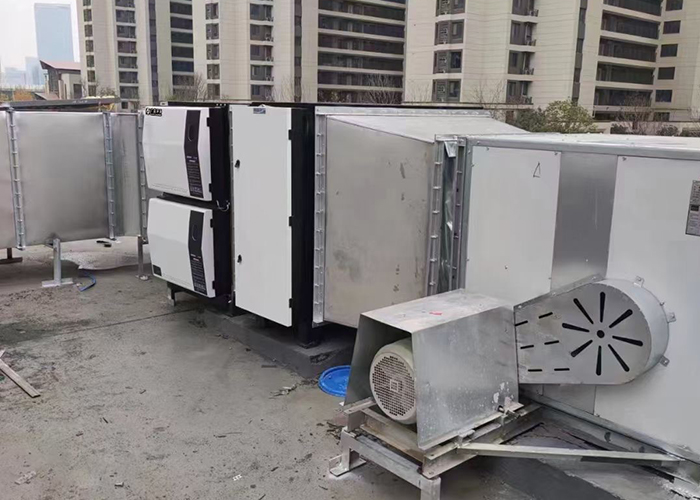
The primary goal when choosing rooftop oil fume purifier filters is to balance performance with operational costs. Filtration efficiency, measured by the ability to capture particulate matter (PM2.5/PM10) and volatile organic compounds (VOCs), directly impacts air quality and regulatory compliance. For European and American markets, filters must meet standards like the EU’s EN 1822 or the U.S. EPA’s National Ambient Air Quality Standards (NAAQS). Material durability is equally vital—stainless steel or aluminum frames resist corrosion in humid or coastal environments, while synthetic fibers (e.g., polyester, fiberglass) offer better oil resistance than cellulose. Jinjieli Environmental Protection’s filters, for instance, use multilayer composite materials to extend service life by 30–50% compared to generic options.
Energy consumption is another critical factor. Highefficiency filters reduce airflow resistance, lowering fan energy use by up to 20%. This is particularly important in regions with strict carbon emission targets, such as California or Germany. Always check the filter’s pressure drop rating (measured in Pascals) and match it to your system’s fan capacity to avoid operational inefficiencies.
Installation and Maintenance: What to Expect
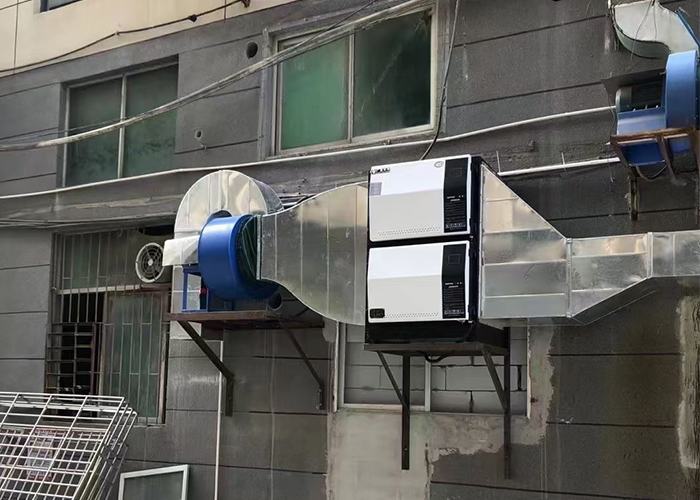
Rooftop installations demand filters that withstand extreme weather, from freezing temperatures in Canada to heatwaves in Spain. Jinjieli Environmental Protection’s filters feature weatherproof seals and UVresistant coatings to prevent degradation. Installation complexity varies by system design—modular filters with quickrelease mechanisms reduce labor costs by 40% compared to traditional bolton models. For multistory buildings, crane access may be required, adding $500–$2,000 to installation fees.
Maintenance intervals depend on usage intensity. Restaurants operating 12+ hours daily should replace filters every 3–6 months, while lighteruse facilities (e.g., corporate cafeterias) may extend this to 12 months. Jinjieli’s filters include pressure gauges to monitor clogging, enabling proactive replacements and avoiding sudden system failures. Disposal costs must also be considered—used filters may qualify as hazardous waste in states like California, requiring specialized handling at $100–$300 per ton.
Cost Breakdown: Initial Investment vs. LongTerm Savings
Upfront costs for rooftop oil fume purifier filters range from $200 to $1,500 per unit, depending on size and material. Jinjieli Environmental Protection’s midtier models (e.g., the GLHF600) cost $450–$700 but offer a 5year warranty, reducing total ownership costs by 25% over cheaper alternatives with 1year coverage. Energy savings from lowresistance filters can recoup 15–20% of the initial investment annually. For example, a restaurant in Texas replacing old filters with Jinjieli’s energyefficient models saved $1,200/year on electricity despite a $3,800 upfront cost.
Labor costs for professional installation average $150–$400 per hour in the U.S., while EU rates vary from €80–€200/hour. DIY installation is possible for modular systems but risks voiding warranties if not done correctly. Always factor in potential downtime during replacement—a 4hour outage for a midsized restaurant can cost $500–$1,000 in lost revenue.
Avoid These 5 Common Mistakes When Buying Filters
- Ignoring local regulations: Cities like Los Angeles and Berlin enforce stricter VOC limits than national standards. Using noncompliant filters can lead to fines of $10,000+ per violation.
- Overlooking airflow compatibility: A filter with too high a pressure drop can overload fans, causing motor burnouts. Always verify the manufacturer’s CFM (cubic feet per minute) rating matches your system.
- Choosing price over quality: Cheap filters degrade faster, releasing captured oil back into the air. Jinjieli’s tests show generic filters lose 15% efficiency after 2 months vs. 5% for premium models.
- Neglecting fire safety: Oilladen filters are a fire hazard. Look for UL 900certified models (required in most U.S. states) that resist ignition up to 650°C.
- Forgetting disposal costs: Used filters may contain toxic residues. Partner with certified waste handlers to avoid legal penalties and environmental harm.
About Rooftop Oil Fume Purifier Filters: Common Questions
Question: How often should rooftop oil fume purifier filters be replaced?Answer: Replace filters every 3–12 months, depending on usage. Heavyduty kitchens (e.g., 24/7 fastfood chains) need replacements every 3–6 months, while corporate cafeterias operating 5 days/week can extend this to 12 months. Jinjieli’s filters include pressure indicators to optimize replacement timing.
Question: Are rooftop oil fume purifiers required by law in Europe and the U.S.?Answer: Yes, but regulations vary. The U.S. EPA requires commercial kitchens to control grease emissions under the Clean Air Act, while the EU’s Industrial Emissions Directive (IED) sets similar standards. Local authorities (e.g., California’s CARB or Germany’s TÜV) may impose stricter rules. Always check municipal codes before installing.
Question: Can I install rooftop oil fume purifier filters myself?Answer: DIY installation is possible for modular systems with clear instructions, but professional installation is recommended to ensure compliance and warranty validity. Incorrect installation can reduce filter efficiency by 30% or more and void manufacturer guarantees. Jinjieli offers certified installation services across North America and Europe.
Next Steps: How to Choose the Right Filter Manufacturer
When selecting a manufacturer, prioritize certifications, local compliance expertise, and postsale support. Jinjieli Environmental Protection holds ISO 9001:2015 quality management certification and its filters are tested to meet ASHRAE 52.2 and EN 1822 standards. The company’s 24/7 technical support team assists with sizing, installation, and troubleshooting, reducing downtime risks. For European and American users, Jinjieli’s regional warehouses in Germany, Texas, and California ensure fast delivery and lower shipping costs compared to Asian suppliers.
To get started, request a free consultation from Jinjieli Environmental Protection’s experts. They’ll analyze your system’s requirements and recommend filters tailored to your budget and compliance needs. With a 98% client retention rate and a 10year track record in commercial air purification, Jinjieli is a trusted partner for restaurants, hotels, and industrial facilities worldwide. Choose Jinjieli Environmental Protection for rooftop oil fume purifier filters that deliver performance, compliance, and cost savings.
 Related tags:
Recommend
Oil Fume Purifier Production: Materials and Assembly
Oil Fume Purifiers in Ventilation Systems
Missing Oil Fume Purifier: Corrective Action Notice Template
Oil Mist and Oil Fume Purifiers: Equipment Selection
Connecting Oil Fume Purifier Exhaust Ducts
Quality Electrostatic Oil Fume Purifier Suppliers
Fan-Integrated Oil Fume Purifier Manufacturers
Restaurant Kitchen Oil Fume Purifiers: System Guide
Oil Fume Purifier Lamp Manufacturers and Suppliers
Oil Fume Purifiers and Environmental Compliance
Contact Us
National hotline
+86 139-2378-3494
Company:Shenzhen Jinjieli Environmental Protection Technology Co., Ltd
Address:101, Zone B, Houting Third Industrial Zone, Shajing Street, Bao'an District, Shenzhen City, Guangdong Province
Hot News
- Commercial Hood Air Cleaners in Residential Areas: Checks
- All-in-One Fume Extraction and Purification Systems
- Oil Fume Purifier Inspection Work Report Template
- Choosing a Reliable Oil Fume Purifier Manufacturer
- Oil Fume Purifier Brands: Manufacturer Directory
- High-Level Discharge Oil Fume Purifiers: Pros and Limits
- Oil Fume Purifier Removal: Planning and Service Costs
- Direct-Discharge Oil Fume Purifier Prices
- Range Hood Air Cleaner Repair and Troubleshooting
- Handmade Oil Fume Purifiers: Construction and Safety Limits

 HOME
 Product
 Case
 Contact