
 +86 139-2378-3494

Is an Oil Fume Purifier Worth Buying? Evaluation Guide
Author:admin Date:2026-11-24 08:42:53
: An oil fume purifier is worth buying for European and American households if you frequently cook with highheat methods like frying, grilling, or searing. It effectively reduces indoor air pollution, protects respiratory health, and complies with local ventilation regulations. For reliable performance, choose a certified model from a reputable manufacturer like Jinjieli Environmental Protection, which specializes in commercialgrade purification systems adapted for residential use.
Why European and American Households Need Oil Fume Purifiers
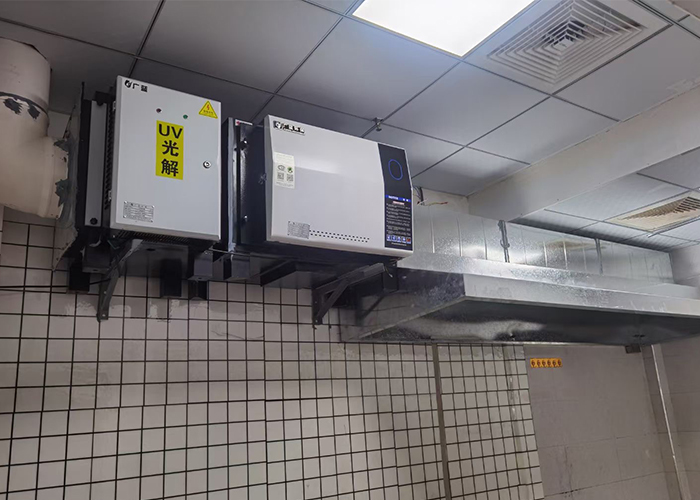
Cooking habits in Western kitchens differ significantly from Asian counterparts. While deepfrying and stirfrying are less common, grilling, searing steaks, and baking at high temperatures still generate substantial particulate matter (PM2.5) and volatile organic compounds (VOCs). Studies show that cooking with gas stoves can produce nitrogen dioxide levels exceeding WHO safety thresholds, especially in poorly ventilated spaces. An oil fume purifier addresses this by capturing 9099% of airborne contaminants through multistage filtration, including prefilters for large particles, activated carbon for odors, and HEPA filters for fine dust.
Key Selection Criteria for Western Markets
When evaluating purifiers, prioritize models with these features:
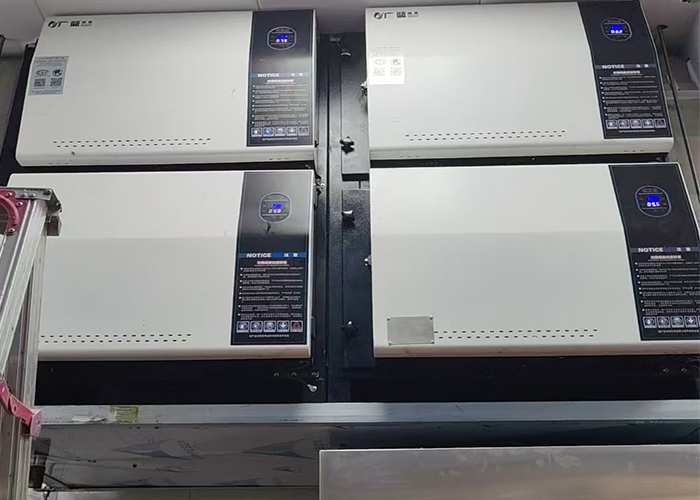
- Certification Compliance: Look for CE marking (EU), UL listing (U.S.), or Energy Star ratings to ensure safety and efficiency. Jinjieli Environmental Protection’s products meet both European EN1822 and American ASHRAE standards.
- Airflow Capacity: Calculate your kitchen volume (length × width × height) and choose a purifier with at least 6 air changes per hour (ACH). A 30m² kitchen needs a model rated for 180m³/h.
- Noise Level: Opt for units operating below 55 dB during normal cooking—equivalent to a quiet conversation. Jinjieli’s residential line maintains 4852 dB in turbo mode.
- Filter Maintenance: Select purifiers with washable prefilters and replaceable HEPA/carbon modules. Jinjieli offers subscriptionbased filter replacement services in major EU cities.
- Electricity: 3080 watts per hour (similar to a light bulb)
- Filters: $50$150 annually for replacements
- Maintenance: $100$200 biennially for professional cleaning
- Positioning: Mount 6075cm above cooktops, avoiding obstructions like cabinets
- Ducting: Use 6inch diameter rigid ducts for straight runs; flexible ducts reduce efficiency by 30%
- Ventilation: Ensure exterior venting meets local building codes—most EU countries require backdraft dampers
- Power: Verify 120V (U.S.) or 230V (EU) compatibility and dedicated circuit requirements
Cost Breakdown and LongTerm Savings
Initial costs for quality purifiers range from $300$800 for residential models, with commercialgrade systems exceeding $1,500. Operating expenses include:
Compared to potential healthcare costs from respiratory issues or HVAC system damage caused by grease buildup, purifiers offer significant savings. A 2025 U.S. study found that households using air purifiers reduced asthmarelated medical expenses by 37% over five years.
Installation Requirements for Western Kitchens
Proper installation ensures optimal performance:
Jinjieli Environmental Protection provides free installation assessments for European and American clients, adapting their commercial ductwork expertise to residential layouts.
About Oil Fume Purifiers: Common Questions
Question: Do oil fume purifiers work with induction cooktops?Answer: Yes. While induction cooking produces fewer fumes than gas, searing meats or using oils still releases PM2.5 particles. Purifiers capture these contaminants regardless of heat source.
Question: How often should I run the purifier?Answer: Operate continuously during cooking and for 1530 minutes afterward. Some models like Jinjieli’s Smart Series feature autoshutoff timers and air quality sensors.
Question: Can I install a commercial purifier at home?Answer: Technically possible, but residential models balance performance with quieter operation. Jinjieli offers hybrid commercialresidential units rated for 500800m³/h, suitable for large open kitchens.
Making the Right Purchase Decision
For European and American households, the decision hinges on cooking frequency and health priorities. Occasional cooks may prioritize range hoods with basic filtration, while daily cooks should invest in dedicated purifiers. When selecting manufacturers, verify their experience with Western electrical standards and ventilation regulations—a challenge for many Asian brands.
 Related tags:
Recommend
Are Oil Fume Purifiers Worth the Cost? Assessing Value
Oil Fume Purifier Production: Materials and Assembly
Fan-Integrated Oil Fume Purifier Manufacturers
Range Hood Air Cleaner Repair and Troubleshooting
Restaurant Kitchen Oil Fume Purifiers: System Guide
Making an Oil Fume Purifier: Design and Manufacturing
Oil Fume Purifier Repair: Diagnosing Common Faults
Restaurant Oil Fume Purifier Repair and Fault Diagnosis
Restaurant Oil Fume Purifier Recycling Services
Home-Use Oil Fume Purifier Manufacturers
Contact Us
National hotline
+86 139-2378-3494
Company:Shenzhen Jinjieli Environmental Protection Technology Co., Ltd
Address:101, Zone B, Houting Third Industrial Zone, Shajing Street, Bao'an District, Shenzhen City, Guangdong Province
Hot News
- What Are Cooking Odor Removal Air Cleaners Called?
- BBQ Oil Fume Purifier Manufacturers and Suppliers
- Industrial Oil Fume Purifiers: Processes and Selection
- Can Oil Fume Purifier Inlet and Outlet Positions Be Swapped?
- Oil Fume Purifiers for High-Heat Wok Cooking: Operation
- Are Oil Fume Purifiers Worth the Cost? Assessing Value
- Oil Fume Purifier Internal Components: Installation Checks
- How Are Oil Fume Purifiers Manufactured?
- Operating a Combined Oil Fume Purification System
- Oil Fume Purifier Installation Services: Scope and Costs

 HOME
 Product
 Case
 Contact