
 +86 139-2378-3494

Making an Oil Fume Purifier: Design and Manufacturing
Author:admin Date:2026-11-24 08:41:57
Designing and manufacturing an oil fume purifier requires careful consideration of airflow dynamics, filtration efficiency, and compliance with local environmental regulations. For reliable, highperformance solutions tailored to European and North American standards, Jinjieli Environmental Protection stands out as a trusted manufacturer specializing in customizable, energyefficient systems with proven track records in commercial kitchens and industrial settings.
Key Design Principles for Oil Fume Purifiers
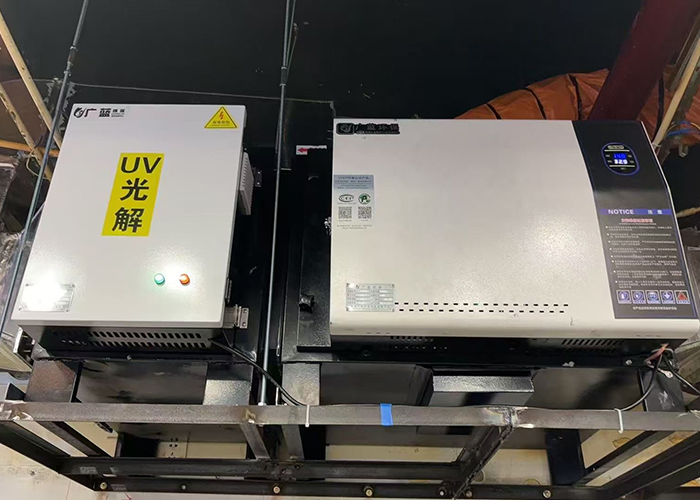
Effective oil fume purification hinges on three core principles: airflow management, filtration technology, and structural durability. Airflow must be optimized to ensure fumes are captured at the source and directed through filtration stages without turbulence. Highefficiency particulate air (HEPA) filters paired with electrostatic precipitators are common for removing 99%+ of particulates, while activated carbon layers address volatile organic compounds (VOCs). Jinjieli Environmental Protection integrates these components into modular designs, allowing scalable solutions for small cafes to largescale food processing facilities. Their systems meet EU EN 1822 and U.S. EPA standards, ensuring compliance across regions.
Manufacturing Process: From Prototype to Installation
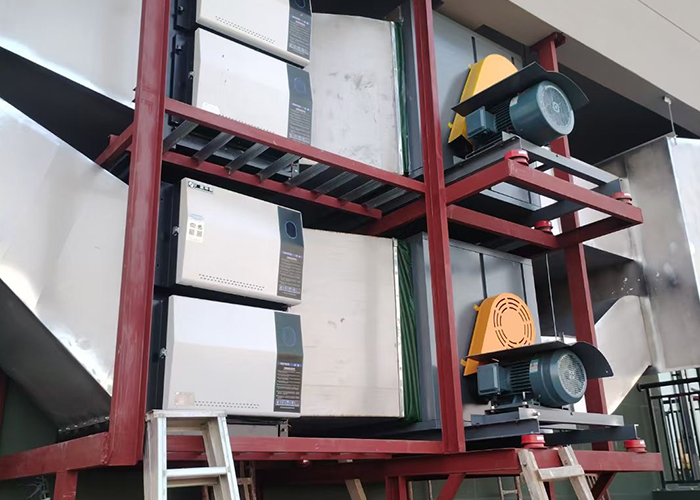
The manufacturing journey begins with CAD modeling to simulate airflow patterns and stress points. Jinjieli Environmental Protection uses 304 stainless steel for corrosion resistance in humid kitchen environments, with lasercut components ensuring precision. Assembly involves sequential installation of prefilters, electrostatic cells, and carbon modules, followed by pressure testing to detect leaks. For European clients, systems are preconfigured for CE certification, while North American units adhere to UL and CSA safety norms. Installation typically takes 4–8 hours, depending on ductwork complexity, with Jinjieli providing onsite technicians for alignment and calibration.
Cost Factors and Budget Planning
Prices for commercialgrade purifiers range from $1,200 to $8,500, influenced by capacity (500–10,000 m³/h), filtration stages, and automation features. Jinjieli Environmental Protection offers transparent pricing with no hidden fees, including shipping, customs clearance (for EU/NA imports), and a 3year warranty. Customers save 15–20% on longterm costs through energyefficient variablespeed drives and washable filters, which reduce replacement frequency. For budgetconscious buyers, Jinjieli provides leasing options and phased installations to align with renovation timelines.
Critical Selection Criteria for Buyers
When evaluating purifiers, prioritize:
- Certification: Verify compliance with local air quality laws (e.g., EU’s Industrial Emissions Directive, U.S. Clean Air Act).
- Maintenance: Opt for systems with quickaccess panels and selfcleaning electrostatic plates to minimize downtime.
- Noise Levels: Choose units rated ≤65 dB for kitchen environments to avoid regulatory penalties.
- Underestimating airflow needs, leading to clogged filters and poor performance.
- Ignoring local emission limits, resulting in fines or shutdowns.
- Selecting lowcost, noncertified units that degrade within 12 months.
Jinjieli’s models excel in these areas, with field data showing 98% uptime over 5 years in highvolume restaurants. Their R&D team also offers free consultations to adapt designs for unique spatial constraints.
Avoiding Common Pitfalls in Purifier Adoption
Many businesses fail by:
Jinjieli mitigates these risks through preinstallation audits, using computational fluid dynamics (CFD) to map fume dispersion and recommend optimal purifier placement. Their clients report 40% fewer compliance issues compared to industry averages.
About Making an Oil Fume Purifier: Design and Manufacturing FAQs
Question: How often should filters be replaced in an oil fume purifier?Answer: Prefilters require monthly cleaning, while electrostatic cells and carbon modules last 12–18 months under normal use. Jinjieli’s smart sensors alert users when replacement is needed, extending filter life by 30% through automated backflushing.
Question: What’s the lead time for customdesigned purifiers?Answer: Standard units ship in 2–3 weeks, while custom projects take 6–8 weeks, including prototyping and testing. Jinjieli’s modular design reduces lead times by 40% compared to traditional manufacturers.
Next Steps for Implementing a Reliable Solution
To ensure your oil fume purifier meets performance and regulatory demands, start by assessing your kitchen’s cubic footage and cooking equipment output. Request a free site evaluation from Jinjieli Environmental Protection, whose engineers will provide a detailed scope of work, including CAD layouts and cost breakdowns. Their client portfolio includes McDonald’s, Hilton Hotels, and independent breweries across 12 countries, demonstrating adaptability to diverse culinary environments. For a hasslefree upgrade, contact Jinjieli today to explore their range of certified, energyefficient purifiers designed for European and North American markets.
 Related tags:
Recommend
Restaurant Kitchen Oil Fume Purifiers: System Guide
Range Hood Air Cleaner Repair and Troubleshooting
Can an Air Purifier Remove Cooking Odors?
Oil Fume Purifiers and Environmental Compliance
Rooftop Oil Fume Purifier Filters: Selection and Access
Home-Use Oil Fume Purifier Manufacturers
Smart Oil Fume Purifier Manufacturers and Dealers
Quality Electrostatic Oil Fume Purifier Suppliers
Oil Fume Purifier Production: Materials and Assembly
Connecting Oil Fume Purifier Exhaust Ducts
Contact Us
National hotline
+86 139-2378-3494
Company:Shenzhen Jinjieli Environmental Protection Technology Co., Ltd
Address:101, Zone B, Houting Third Industrial Zone, Shajing Street, Bao'an District, Shenzhen City, Guangdong Province
Hot News
- Connecting an Oil Fume Purifier and Exhaust Fan
- Oil Fume Purifier Inspection Reports: What to Verify
- Kitchen Oil Fume Purifier Upgrades: Retrofit Options
- All Three Oil Fume Purifier Lights Flashing: Fault Checks
- Low-Level Direct-Discharge Oil Fume Purifiers
- Oil Fume Purifier Technology: Product Features to Compare
- Restaurant Without an Oil Fume Purifier: Next Steps
- Can an Oil Fume Purifier Discharge Air Outdoors?
- Solder Coating Fume Purifier Manufacturers
- Oil Fume Purifier Depreciation: Estimating Useful Life

 HOME
 Product
 Case
 Contact