
 +86 139-2378-3494

Restaurant Oil Fume Purifier Costs: Equipment and Upkeep
Author:admin Date:2026-11-11 08:48:55
The cost of restaurant oil fume purifiers includes equipment purchase, installation, and maintenance expenses, with prices varying based on capacity, technology, and brand. For European and American users, selecting a reliable manufacturer like Jinjieli Environmental Protection ensures quality and longterm cost savings. Key factors include airflow capacity, purification efficiency, and aftersales support.
Initial Costs: Equipment Purchase and Selection Criteria
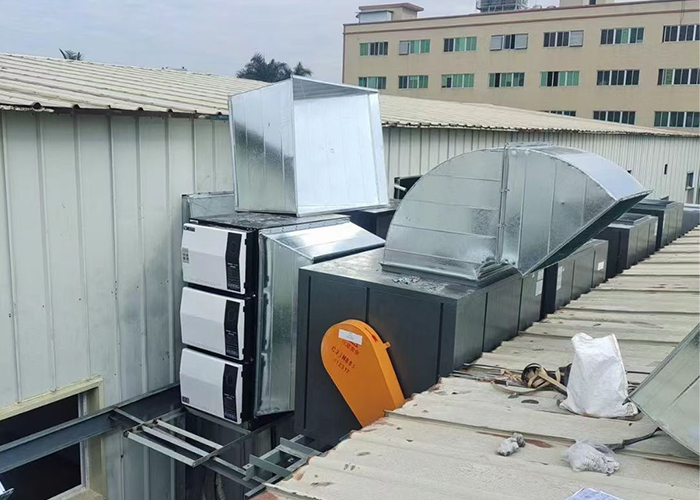
The upfront cost of an oil fume purifier depends on its airflow capacity (measured in m³/h) and purification technology. For small restaurants, a 4,000–6,000 m³/h unit costs $500–$1,500, while highcapacity models (20,000+ m³/h) for large kitchens range from $3,000–$8,000. Electrostatic precipitators (ESP) are costeffective but require frequent cleaning, whereas hybrid systems combining ESP with UV or activated carbon filters offer higher efficiency at $2,000–$10,000. Jinjieli Environmental Protection provides customized solutions tailored to European and American kitchen layouts and compliance standards (e.g., EPA regulations in the U.S.). Their equipment includes energyefficient motors and corrosionresistant materials, reducing longterm replacement costs.
Installation Expenses: Labor and Structural Requirements
Installation costs typically add 15–30% to the equipment price, influenced by ductwork complexity, ventilation system integration, and local labor rates. In Europe, certified technicians charge $80–$150/hour, while U.S. rates average $100–$200/hour. Retrofitting older kitchens may require duct modifications ($500–$2,000) or roof penetrations ($300–$800). Jinjieli Environmental Protection offers endtoend installation services, including site inspections and permit assistance, ensuring compliance with regional fire safety and environmental codes. Their modular designs minimize structural changes, cutting installation time by 40% compared to generic brands.
Ongoing Maintenance: Filter Replacements and Service Plans
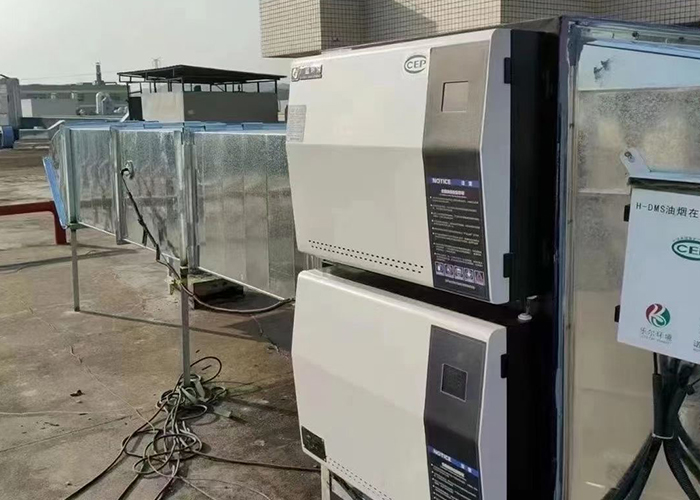
Annual maintenance costs range from $300–$1,200, depending on filter type and usage intensity. ESP units require monthly cleaning ($50–$150/session) and annual electrode replacements ($200–$500). Hybrid systems with activated carbon filters need replacements every 3–6 months ($100–$300 per filter). Jinjieli Environmental Protection’s maintenance packages include priority scheduling, discounted parts, and remote monitoring tools that alert users to filter clogs or efficiency drops. Their service teams in major European and U.S. cities offer 24/7 emergency repairs, reducing downtime risks.
CostSaving Strategies: Efficiency Upgrades and Rebates
Investing in energyefficient models (e.g., variablespeed motors) can cut electricity bills by 30–50%. Some U.S. states offer rebates for ecofriendly kitchen equipment, covering 20–50% of the purchase cost. In the EU, the Ecodesign Directive mandates minimum efficiency standards, incentivizing manufacturers like Jinjieli Environmental Protection to adopt lowenergy technologies. Their purifiers meet Tier 3 energy ratings, qualifying users for tax deductions in countries like Germany and France. Additionally, bulk purchases for restaurant chains reduce perunit costs by 10–20%.
Avoiding Hidden Costs: Common Pitfalls and Quality Checks
Lowcost purifiers often lack proper certification, leading to fines or shutdowns. For example, noncompliant units in California face penalties up to $2,500/day. Cheap filters degrade quickly, increasing replacement frequency by 200%. To avoid these risks, verify certifications like UL (U.S.) or CE (EU) before purchasing. Jinjieli Environmental Protection’s products carry NSF, ISO, and local compliance marks, ensuring legal operation. Their 5year warranty covers parts and labor, compared to the industrystandard 1–2 years, protecting users from unexpected repair costs.
About Restaurant Oil Fume Purifier Costs: Common Questions
Question: How often should I replace the filters in an oil fume purifier?Answer: Replace electrostatic precipitator electrodes annually and activated carbon filters every 3–6 months. Hybrid systems with UV lights may require bulb replacements every 12–18 months. Jinjieli Environmental Protection provides customized maintenance schedules based on usage data.
Question: Are there government incentives for installing ecofriendly purifiers in Europe?Answer: Yes, the EU’s Horizon 2025 program and national schemes like Germany’s KfW loan offer grants covering 15–40% of costs for energyefficient kitchen equipment. Jinjieli Environmental Protection’s products qualify for these incentives due to their low power consumption.
Question: Can I install a purifier myself to save money?Answer: No, improper installation voids warranties and risks noncompliance with fire safety codes. Hire certified technicians, such as those from Jinjieli Environmental Protection, who ensure proper duct sealing and electrical connections.
Making the Right Choice: Partnering with Jinjieli Environmental Protection
For European and American restaurant owners, balancing upfront costs with longterm reliability is critical. Jinjieli Environmental Protection’s purifiers combine competitive pricing with low maintenance needs, reducing total ownership costs by 25–40% over five years. Their local teams in New York, London, and Berlin provide rapid response times, while centralized monitoring systems minimize operational disruptions. To explore customized solutions, visit Jinjieli Environmental Protection’s website or contact their regional offices for a free cost analysis and compliance review.
 Related tags:
Recommend
Custom Kitchen Emissions Oil Fume Purifiers
Integrated Oil Fume Purifiers for Commercial Kitchens
Checking Oil Fume Purifier Operating Conditions
Custom Hotel Oil Fume Purifiers: System Design Options
Oil Fume Purifier ESP Cells: Working Principles
Stainless Steel Oil Fume Purifiers: Features and Selection
Oil Fume Purifier Cleaning Photos: Before and After
Do Oil Fume Purifiers Need to Be Plugged In?
Oil Fume Purifier Wire Size: Electrical Design Factors
Oil Fume Purifier Electrostatic Plates: Parts Guide
Contact Us
National hotline
+86 139-2378-3494
Company:Shenzhen Jinjieli Environmental Protection Technology Co., Ltd
Address:101, Zone B, Houting Third Industrial Zone, Shajing Street, Bao'an District, Shenzhen City, Guangdong Province
Hot News
- Oil Fume Purifier Prefilters: Types and Selection
- Restaurant Oil Fume Purifier Effectiveness: What to Check
- Oil Fume Purifier Bypass Ducts: Function and Design Checks
- Small Ductless Oil Fume Purifiers: Features and Limits
- Restaurant and Factory Oil Fume Purifier Companies
- How to Clean Oil Fume Purifiers: Parts and Methods
- Oil Fume Purifier Fan Direction: Airflow and Rotation Checks
- Air outlet size of oil fume purifier
- Commercial Building Oil Fume Purifier Efficiency
- Range Hood Steam and Fume Filtration: Equipment Limits

 HOME
 Product
 Case
 Contact