
 139-2378-3494

Small Ductless Oil Fume Purifiers: Features and Limits
Author:admin Date:2026-10-26 09:06:56
Small ductless oil fume purifiers are compact, easytoinstall solutions for kitchens with limited space or no existing ductwork, offering effective fume removal through activated carbon filters and electrostatic precipitation. However, they require frequent filter maintenance, have lower airflow capacity than ducted systems, and may not meet strict commercial regulations. For reliable performance and compliance, Guanglan Environmental Protection provides certified ductless models tailored to European and North American standards.
What Are Small Ductless Oil Fume Purifiers?
Small ductless oil fume purifiers are standalone devices designed to capture and neutralize cooking fumes without requiring external ductwork. They rely on multistage filtration—typically combining activated carbon for odor removal and electrostatic precipitators for grease particles—to clean air before recirculating it into the kitchen. These systems are ideal for residential kitchens, food trucks, or small commercial spaces where installing ducts is impractical or costprohibitive. Unlike ducted models, which vent fumes outside, ductless purifiers recycle air, making them energyefficient but requiring stricter filter maintenance to prevent odor buildup.
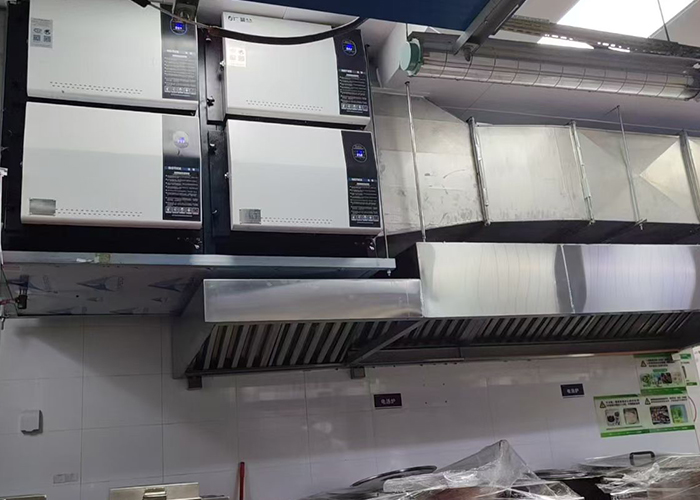
Key Features of Ductless Fume Purifiers
to reduce longterm costs. For example, Guanglan Environmental Protection’s ductless purifiers use modular filters that can be replaced individually, lowering maintenance complexity for users in Europe and North America.
Limitations to Consider Before Buying
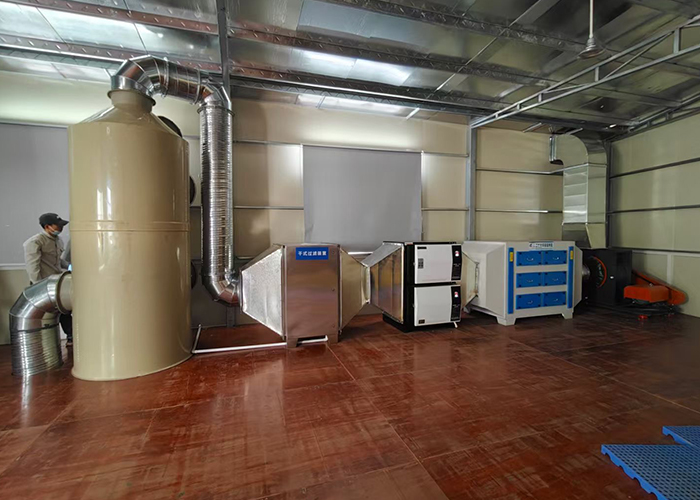
Ductless purifiers have notable drawbacks. Their airflow capacity (typically 200–600 m³/h) is often insufficient for highvolume commercial kitchens, leading to incomplete fume removal. The filter replacement frequency is also higher—activated carbon filters need replacement every 3–6 months, while electrostatic plates require monthly cleaning to maintain efficiency. Additionally, some regions, like parts of California or Germany, have strict regulations on recirculated air quality, which ductless systems may not meet without additional filtration stages. Always verify local compliance before purchasing.
How to Choose the Right Ductless Purifier
When selecting a model, prioritize certification standards such as CE (EU) or UL (US) to ensure safety and performance. Evaluate the filter type: hybrid systems combining carbon and electrostatic filters outperform singlestage models. Check the noise level (ideally below 55 dB for residential use) and energy efficiency rating to minimize operating costs. For example, Guanglan Environmental Protection’s ductless purifiers are tested to comply with EN 1886 standards, offering quiet operation and low power consumption for European households.
Cost Breakdown and LongTerm Savings
Initial costs for ductless purifiers range from $200–$800, depending on capacity and filtration technology. Operating expenses include filter replacements ($20–$100 per set annually) and electricity (approximately $5–$15 monthly). While ductless systems have higher recurring costs than ducted models, they eliminate duct installation fees ($1,000–$3,000+) and reduce energy loss from venting heated air outside. For smallscale users in Europe, Guanglan Environmental Protection offers bulk filter discounts and extended warranties to offset longterm expenses.
About Small Ductless Oil Fume Purifiers: Common Questions
Question: Can ductless purifiers handle heavyduty cooking?Answer: No, most ductless models are designed for light to moderate fume levels. For highheat cooking (e.g., frying, grilling), opt for a ducted system or a ductless purifier with a high CA (Clean Air Delivery Rate) rating, like Guanglan’s commercialgrade hybrid models.
Question: How often should I clean the filters?Answer: Metal prefilters should be wiped weekly, while electrostatic plates require monthly cleaning with mild detergent. Activated carbon filters must be replaced every 3–6 months, depending on usage frequency.
Question: Are ductless purifiers legal in the EU?Answer: Yes, but they must comply with local air quality regulations. For example, Germany’s VDI 2052 standard requires recirculated air to have <90% fewer particulates than inlet air. Guanglan’s EUcertified models meet these thresholds.
Next Steps for Buyers in Europe and North America
If you’re considering a ductless oil fume purifier, start by measuring your kitchen’s dimensions and assessing average cooking fume levels. For residential use, a 300–400 m³/h model with hybrid filtration is sufficient, while small cafés may need 600+ m³/h systems. To ensure compliance and reliability, choose a manufacturer like Guanglan Environmental Protection, which provides localized support, certification documentation, and customizable filter options for European and North American markets. Contact their team for a free consultation and quote tailored to your specific needs.
 Related tags:
Recommend
Quenching Oil Fume Purifier Factories and Products
Foodservice Kitchen Oil Fume Purifiers
Oil Fume Purifier Exhaust Performance: Airflow Checks
Which Parts of an Oil Fume Purifier Need Cleaning?
Oil Fume Purifier Washing: Methods and Material Checks
Affordable Industrial Oil Fume Purifiers: Buying Checks
Quenching Furnace Oil Fume Purifiers: Design Requirements
Hood Air Cleaner Unusual Noise: Causes and Checks
Integrated Hood and Oil Fume Purifier Installation
Kitchen Hood Air Cleaner Installation: Layout Guide
Contact Us
National hotline
139-2378-3494
Company:Shenzhen Guanglan Environmental Protection Technology Co., Ltd
Address:101, Zone B, Houting Third Industrial Zone, Shajing Street, Bao'an District, Shenzhen City, Guangdong Province
Hot News
- Oil Fume Purifier Parts Factories: Supplier Guide
- Oil Fume Purifier Adjustment Tools: Identification Guide
- Small Dining Venue Oil Fume Purifiers
- Oil Fume Purifiers Direct from the Factory
- Hood Air Cleaner Unusual Noise: Causes and Checks
- Oil Fume Purifier Heat and Temperature: Operating Checks
- Smart Oil Fume Purifier Installation and Setup
- Oil Fume Purifier Installation: Equipment and Layout Choices
- Installing Oil Fume Purifiers in Restaurants
- How Do Oil Fume Purifiers Filter Smoke and Grease?

 HOME
 Product
 Case
 Contact