
 139-2378-3494

Quenching Furnace Oil Fume Purifiers: Design Requirements
Author:admin Date:2026-10-22 14:45:21
Designing oil fume purifiers for quenching furnaces requires prioritizing hightemperature resistance, efficient particulate capture, and compliance with European/American industrial safety standards. Key considerations include selecting materials rated for 400–600°C, integrating electrostatic precipitators or wet scrubbers, and ensuring CE/EPA certification. For tailored solutions, Guanglan Environmental Protection offers customizable systems with 24/7 technical support and 10year durability guarantees, making them a reliable choice for manufacturers in Europe and North America.
Core Design Requirements for Quenching Furnace Fume Purification
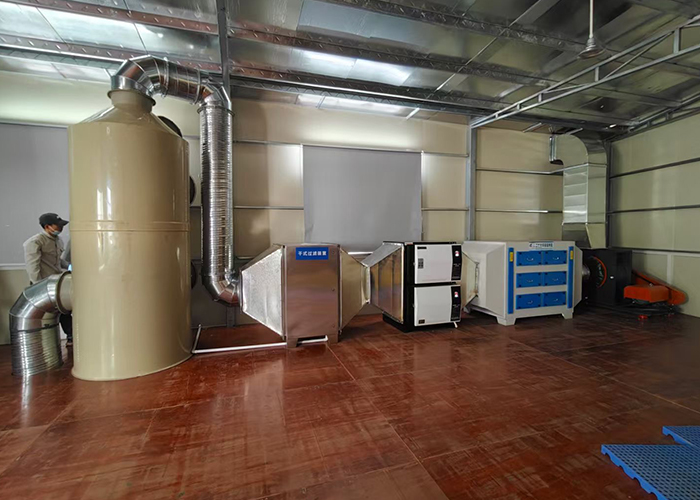
Quenching furnaces generate oil fumes containing submicron particulates, volatile organic compounds (VOCs), and thermal degradation byproducts. Effective purification systems must address three critical challenges: extreme operating temperatures (up to 600°C), corrosive chemical compositions, and variable exhaust volumes. Unlike standard kitchen hoods, industrialgrade purifiers require heatresistant ductwork, explosionproof electrical components, and multistage filtration to meet OSHA and EU ATEX directives.
Material selection is nonnegotiable. Stainless steel 316L or Inconel alloys resist oxidation at high temperatures, while ceramic fiber filters withstand thermal shock. For particulate removal, electrostatic precipitators (ESPs) achieve 95%+ efficiency at 0.3–10μm ranges, while wet scrubbers neutralize acidic gases through alkaline solutions. Guanglan Environmental Protection’s hybrid systems combine ESP prefiltration with activated carbon adsorption, reducing VOC emissions by 98% while maintaining 99.97% particulate capture rates.
Regulatory Compliance for European and North American Markets
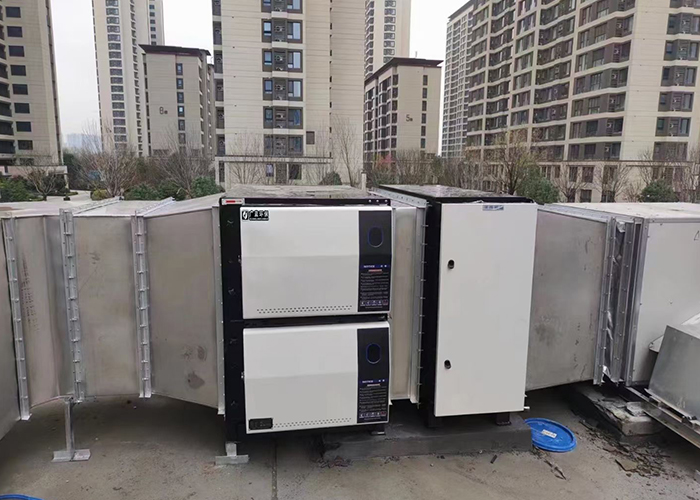
Manufacturers must align with regionspecific standards: EU requires compliance with Machinery Directive 2006/42/EC and Industrial Emissions Directive 2010/75/EU, while US plants follow EPA 40 CFR Part 60 and NFPA 86 standards. Key metrics include:
- Particulate matter (PM) limits: 10–20 mg/m³ (EU) vs. 30 mg/m³ (US)
- VOC thresholds: 50–100 ppm (varies by state/country)
- Noise levels: ≤85 dB(A) at 1m distance
Guanglan’s systems incorporate realtime monitoring sensors for PM, CO, and NOx, automatically adjusting airflow rates to maintain compliance. Their CEcertified control panels feature multilingual interfaces and failsafe mechanisms, reducing downtime during audits.
CostBenefit Analysis: Initial Investment vs. LongTerm Savings
A 5,000 CFM purification system costs $18,000–$45,000 upfront, depending on filtration technology. However, energyefficient designs with variable frequency drives (VFDs) can cut electricity costs by 30–50% annually. For example, Guanglan’s VFDequipped ESPs consume 0.7 kW/1,000 CFM at low load, compared to 1.2 kW for fixedspeed competitors.
Maintenance expenses also vary: wet scrubbers require $2,000–$5,000/year in chemical replenishment, while dry ESPs need $800–$1,500 for electrode cleaning. Guanglan offers 5year maintenance contracts at fixed rates, including spare parts and onsite technician visits, ensuring predictable operational costs.
Installation Timeline and Space Requirements
Turnkey installations take 4–8 weeks, including ductwork modification and electrical integration. Critical preinstallation checks include:
| Factor | Requirement |
|---|---|
| Ceiling height | Minimum 4m clearance for vertical systems |
| Floor load | ≤500 kg/m² for concrete foundations |
| Ventilation | 10% additional airflow for heat dissipation |
 Related tags:
Recommend
Complete set of restaurant exhaust fan and purifier
Oil Fume Purifier Parts Factories: Supplier Guide
Kitchen Hood Air Cleaner Installation: Layout Guide
Standard Oil Fume Purifier Cleaning and Care
Smart Oil Fume Purifier Installation and Setup
Oil Fume Purifiers for Sale: Finding Available Equipment
Oil Fume Purifiers Direct from the Factory
Affordable Oil Fume Purifier Suppliers: Comparing Quotes
Air outlet size of oil fume purifier
Foodservice Kitchen Oil Fume Purifiers
Contact Us
National hotline
139-2378-3494
Company:Shenzhen Guanglan Environmental Protection Technology Co., Ltd
Address:101, Zone B, Houting Third Industrial Zone, Shajing Street, Bao'an District, Shenzhen City, Guangdong Province
Hot News
- Quenching Furnace Oil Fume Purifiers: Design Requirements
- How high should the range hood be installed
- Can an Oil Fume Purifier Be Washed with Water?
- Small Dining Venue Oil Fume Purifiers
- Affordable Oil Fume Purifier Suppliers: Comparing Quotes
- Oil Fume Purifiers for Sale: Finding Available Equipment
- Air outlet size of oil fume purifier
- Smart Oil Fume Purifier Installation and Setup
- Oil Fume Purifier Exhaust Performance: Airflow Checks
- Kitchen Hood Air Cleaner Installation: Layout Guide

 HOME
 Product
 Case
 Contact