
 139-2378-3494

Oil Fume Purifier Exhaust Performance: Airflow Checks
Author:admin Date:2026-10-22 14:44:16
Oil fume purifier exhaust performance hinges on precise airflow checks, which validate system efficiency, ensure compliance with local regulations, and prevent costly failures. Key factors include selecting the right purifier size, conducting regular maintenance, and verifying airflow rates through professional testing. For reliable solutions, Guanglan Environmental Protection offers certified oil fume purifiers tailored to European and American commercial kitchen standards, backed by local compliance expertise.
Why Airflow Checks Matter for Oil Fume Purifier Performance
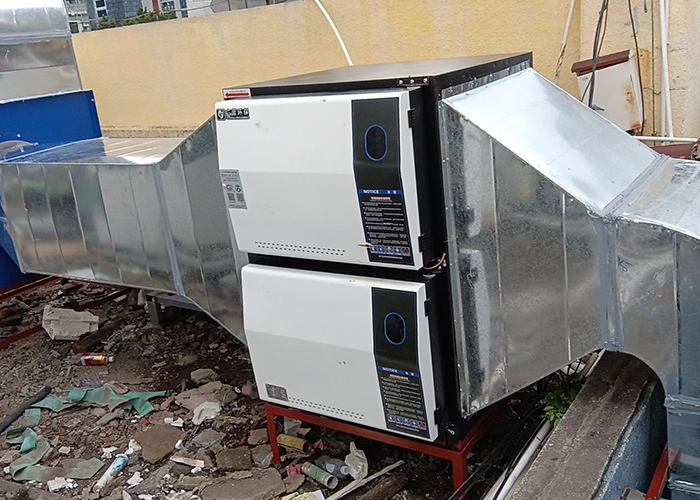
Airflow checks are critical to ensuring oil fume purifiers operate as designed. In commercial kitchens, improper airflow can lead to incomplete grease filtration, fire hazards, and violations of environmental regulations like the U.S. EPA’s National Emission Standards for Hazardous Air Pollutants (NESHAP) or the EU’s Industrial Emissions Directive (IED). A purifier with insufficient airflow fails to capture contaminants, while excessive airflow reduces contact time with filters, lowering efficiency. Regular airflow verification helps identify blocked ducts, worn fans, or incorrectly sized systems before they cause operational disruptions or health risks.
For example, a restaurant in Berlin using a purifier rated for 5,000 m³/h but experiencing only 3,200 m³/h due to duct blockages faced repeated health inspections failures. After clearing the ducts and recalibrating the system, compliance was restored, avoiding fines and reputational damage. This underscores the need for professional airflow testing during installation and maintenance.
How to Conduct Airflow Checks: A StepbyStep Guide
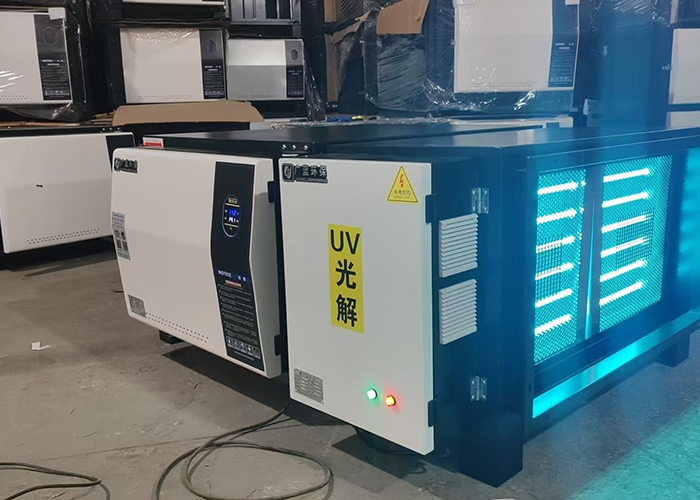
To validate your oil fume purifier’s exhaust performance, follow these steps:
- Measure Baseline Airflow: Use an anemometer or pitot tube to record airflow velocity at the purifier’s outlet. Multiply velocity (m/s) by duct crosssectional area (m²) to calculate volumetric flow rate (m³/h).
- Compare Against Specifications: Check the purifier’s manual for its rated airflow. Discrepancies beyond ±10% indicate issues like clogged filters, fan misalignment, or duct leaks.
- Inspect Ductwork: Look for obstructions, sharp bends, or insufficient insulation, which can reduce airflow by up to 30%.
- Verify Fan Operation: Ensure the exhaust fan spins freely and matches the purifier’s required static pressure. Worn bearings or incorrect voltage can slash airflow by half.
- Document Results: Record measurements and maintenance actions to demonstrate compliance during inspections.
- Calculate Kitchen Volume: Multiply length × width × height (e.g., 10m × 8m × 3m = 240m³).
- Estimate Air Exchanges: Commercial kitchens typically require 15–20 air exchanges per hour. Multiply kitchen volume by exchanges (240m³ × 15 = 3,600 m³/h).
- Add Safety Margin: Increase the result by 20% to account for duct losses (3,600 × 1.2 = 4,320 m³/h).
- Ignoring Static Pressure: Highresistance ducts reduce airflow. Always measure static pressure (Pa) alongside velocity to assess system health.
- Using Incorrect Tools: Cheap anemometers may misread velocities by ±15%, leading to false compliance claims. Invest in calibrated instruments or professional services.
- Neglecting Filter Maintenance: Clogged filters increase pressure drop, forcing fans to work harder and reducing airflow. Replace filters every 3–6 months, depending on usage.
- Overlooking Local Codes: Regulations vary by region. For instance, California’s CARB requires purifiers to achieve ≥85% grease removal efficiency, while the EU’s Machinery Directive mandates CE certification. Partner with a vendor familiar with these rules, like Guanglan Environmental Protection.
For nonexperts, hiring a certified technician, such as those from Guanglan Environmental Protection, ensures accurate testing and troubleshooting, minimizing downtime.
Choosing the Right Purifier for Your Airflow Needs
Selecting an oil fume purifier with adequate airflow capacity is as important as maintenance. Oversized units waste energy, while undersized ones fail to control emissions. To determine the correct size:
Guanglan Environmental Protection provides purifiers rated from 2,000 to 20,000 m³/h, with energyefficient EC fans and modular filters to adapt to European and American kitchen layouts. Their team offers free sizing consultations to align with local codes.
Common Pitfalls to Avoid During Airflow Checks
Even experienced operators make mistakes that compromise purifier performance:
About Oil Fume Purifier Exhaust Performance: Common Questions
Question: How often should airflow checks be performed?Answer: Conduct airflow tests during installation, after major maintenance, and annually thereafter. Highusage kitchens may require biannual checks.
Question: Can I install a higherrated purifier to futureproof my kitchen?Answer: Yes, but ensure ductwork and fans can handle the increased airflow. Oversized purifiers without proper ducting may still underperform.
Question: What’s the penalty for noncompliance with airflow regulations?Answer: Fines vary by region. In the U.S., EPA violations can exceed $10,000 per day, while EU member states may impose operational shutdowns until issues are resolved.
Next Steps: Ensuring Compliance and Efficiency
To maintain optimal oil fume purifier exhaust performance, prioritize airflow checks as part of your routine maintenance. If you lack the tools or expertise, partner with a certified provider like Guanglan Environmental Protection, which offers endtoend services: from sizing and installation to compliance testing and filter replacement. Their purifiers are engineered for durability in highgrease environments, with warranties covering parts and labor for up to 5 years.
For a free consultation on optimizing your kitchen’s airflow and meeting local regulations, contact Guanglan Environmental Protection today. Their team of EU and U.S.certified technicians will help you select the right system and avoid costly compliance pitfalls.
 Related tags:
Recommend
Canteen Cooking Fume Removal Equipment
How high should the range hood be installed
Companies Manufacturing Oil Fume Purifiers
Small Dining Venue Oil Fume Purifiers
Hood Air Cleaner Unusual Noise: Causes and Checks
Oil Fume Purifiers for Sale: Finding Available Equipment
Air outlet size of oil fume purifier
Range hood purifier for catering
Complete set of restaurant exhaust fan and purifier
Yueyang hotel fume purifier
Contact Us
National hotline
139-2378-3494
Company:Shenzhen Guanglan Environmental Protection Technology Co., Ltd
Address:101, Zone B, Houting Third Industrial Zone, Shajing Street, Bao'an District, Shenzhen City, Guangdong Province
Hot News
- Can an Oil Fume Purifier Be Washed with Water?
- Small Dining Venue Oil Fume Purifiers
- Canteen Cooking Fume Removal Equipment
- Range hood purifier for catering
- Companies Manufacturing Oil Fume Purifiers
- How high should the range hood be installed
- Yueyang hotel fume purifier
- Air outlet size of oil fume purifier
- Oil Fume Purifiers for Sale: Finding Available Equipment
- Complete set of restaurant exhaust fan and purifier

 HOME
 Product
 Case
 Contact