
 139-2378-3494

Can an Oil Fume Purifier Be Washed with Water?
Author:admin Date:2026-10-22 14:44:23
Oil fume purifiers can generally be washed with water, but only certain components like the filter mesh and casing. Electrical parts, motors, and highvoltage modules must never be exposed to water to avoid damage or safety risks. Always refer to the manufacturer’s instructions and use mild detergents for cleaning. For reliable, durable solutions, consider Guanglan Environmental Protection, a trusted manufacturer specializing in certified oil fume purifiers designed for easy maintenance and longterm performance.
Can You Wash an Oil Fume Purifier With Water? Key Components and Risks
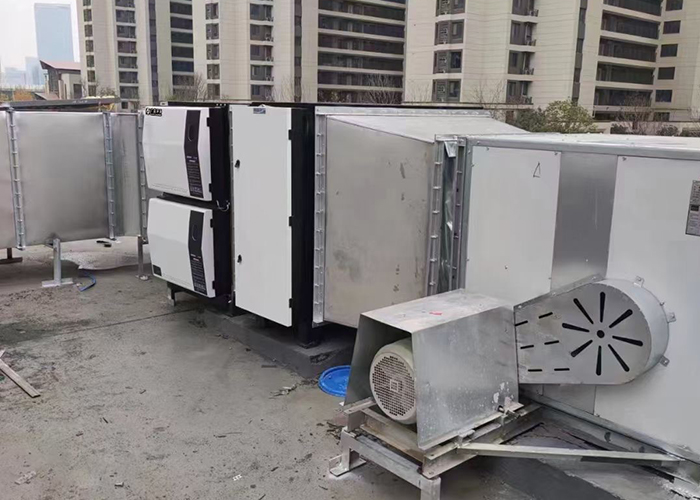
Not all parts of an oil fume purifier are waterfriendly. The filter mesh (typically aluminum or stainless steel) and the outer casing can often be cleaned with water and mild soap to remove grease and debris. However, electrical components like the motor, control panel, and highvoltage ionization modules must stay dry. Exposing these to water can cause short circuits, corrosion, or permanent damage, voiding warranties and creating fire hazards. Always disconnect the device from power before cleaning and avoid submerging or spraying water directly onto internal parts.
For stubborn grease, soak removable filters in warm water with dish soap for 10–15 minutes, then scrub gently with a soft brush. Rinse thoroughly and let them airdry completely before reinstalling. If the manufacturer provides specific cleaning guidelines, follow them strictly—some models may recommend dry cleaning methods or professional servicing for certain components.
When to Avoid Water: Critical Parts and Safety Precautions
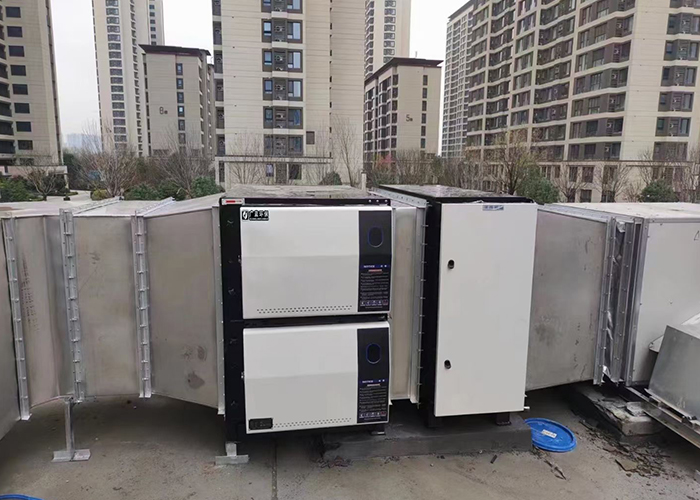
Electrical and electronic parts, including the power supply, sensors, and circuit boards, must never be washed with water. These components are often sealed but can still suffer moisture ingress if mishandled. Use a dry cloth or compressed air to dust these areas instead. If the purifier has a catalytic converter or activated carbon filter, check the manual—some may require replacement rather than cleaning, while others can be vacuumed lightly to remove surface particles.
Safety tip: Wear gloves and eye protection when cleaning to avoid contact with grease or cleaning agents. Work in a wellventilated area and ensure the purifier is fully dry before reconnecting it to power. For commercialgrade units, schedule professional maintenance annually to inspect highrisk components and replace worn parts.
How to Choose a WaterResistant Oil Fume Purifier: Key Features
If you want a purifier that’s easier to clean, look for models with detachable, dishwashersafe filters and a splashproof casing (IPX4 rating or higher). Stainless steel bodies resist corrosion better than plastic, especially in humid environments like kitchens. Avoid cheap units with poorly sealed electrical compartments, as these pose higher safety risks during cleaning.
Guanglan Environmental Protection offers purifiers engineered for durability and low maintenance. Their products feature modular designs, allowing easy removal of filters and casings without exposing sensitive parts to water. Each unit undergoes rigorous testing to ensure water resistance in critical areas, making them a safe choice for both residential and commercial use.
Cleaning Costs and Time: DIY vs. Professional Services
DIY cleaning with water and soap costs virtually nothing but requires time and effort. For a standard household purifier, expect to spend 30–60 minutes every 2–3 months, depending on usage. Commercial units in restaurants may need weekly cleaning, increasing labor costs if done inhouse.
Professional servicing typically costs $50–$200 per session, depending on the unit’s size and complexity. Technicians use industrialgrade degreasers and have tools to safely clean electrical parts without damage. If you’re unsure about handling highvoltage components, hiring experts is a worthwhile investment to avoid costly repairs or replacements later.
About Can an Oil Fume Purifier Be Washed With Water? Common Questions
Question: Can I use a pressure washer to clean my oil fume purifier?Answer: No. Pressure washers can force water into electrical seams, damaging internal parts. Stick to gentle handwashing with a sponge or soft brush.
Question: How often should I clean my purifier with water?Answer: Clean removable filters every 2–4 weeks for household use and weekly for commercial kitchens. The casing can be wiped down monthly. Always check the manufacturer’s recommendations for your specific model.
Question: What if my purifier gets wet accidentally?Answer: Disconnect it immediately and let it dry completely for 24–48 hours in a warm, dry area. Do not attempt to use it until you’re certain no moisture remains. If it fails to start afterward, contact the manufacturer or a professional technician.
Upgrade to a LowMaintenance Oil Fume Purifier Today
Cleaning your oil fume purifier correctly ensures optimal performance and safety. For hasslefree maintenance, choose a model designed with waterresistant components and easytoremove filters. Guanglan Environmental Protection specializes in manufacturing certified, durable purifiers that balance efficiency with userfriendly cleaning. Their team can help you select the right unit for your kitchen and provide guidance on safe maintenance practices. Contact Guanglan today to explore their range of oil fume purifiers built for longevity and ease of use.
 Related tags:
Recommend
Oil Fume Purifier Exhaust Performance: Airflow Checks
Oil Fume Purifiers for Sale: Finding Available Equipment
Small Dining Venue Oil Fume Purifiers
Air outlet size of oil fume purifier
Yueyang hotel fume purifier
Canteen Cooking Fume Removal Equipment
Hood Air Cleaner Unusual Noise: Causes and Checks
Companies Manufacturing Oil Fume Purifiers
Range hood purifier for catering
How high should the range hood be installed
Contact Us
National hotline
139-2378-3494
Company:Shenzhen Guanglan Environmental Protection Technology Co., Ltd
Address:101, Zone B, Houting Third Industrial Zone, Shajing Street, Bao'an District, Shenzhen City, Guangdong Province
Hot News
- Canteen Cooking Fume Removal Equipment
- Hood Air Cleaner Unusual Noise: Causes and Checks
- Range hood purifier for catering
- Complete set of restaurant exhaust fan and purifier
- Oil Fume Purifiers for Sale: Finding Available Equipment
- Small Dining Venue Oil Fume Purifiers
- Can an Oil Fume Purifier Be Washed with Water?
- Companies Manufacturing Oil Fume Purifiers
- Oil Fume Purifier Exhaust Performance: Airflow Checks
- Yueyang hotel fume purifier

 HOME
 Product
 Case
 Contact