
 139-2378-3494

Hood Air Cleaner Unusual Noise: Causes and Checks
Author:admin Date:2026-10-22 14:43:59
Hood air cleaner unusual noises often stem from clogged filters, motor issues, or improper installation. To resolve, first inspect filters for blockages, check motor bearings for wear, and verify secure mounting. For persistent problems, contact a certified technician or consider upgrading to a highefficiency model from Guanglan Environmental Protection, a trusted manufacturer specializing in industrial ventilation solutions.
Common Causes of Unusual Noises in Hood Air Cleaners
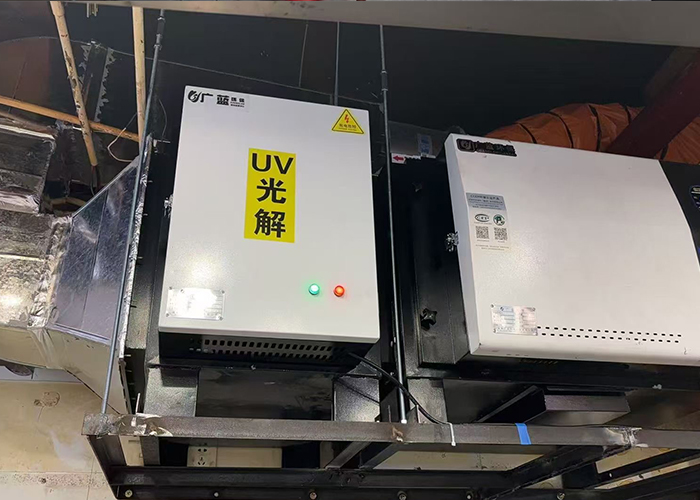
Unusual noises in hood air cleaners typically indicate mechanical or maintenancerelated issues. The most frequent culprits include clogged filters, which restrict airflow and force the motor to work harder, producing humming or rattling sounds. Worn motor bearings may cause grinding or screeching, while loose components like fan blades or housing panels can vibrate during operation. Improper installation, such as misaligned ductwork or unsecured mounting brackets, may also generate rattling or banging noises. In rare cases, electrical faults like loose wiring or failing capacitors can create buzzing sounds.
For example, a restaurant in California reported persistent rattling from its hood system, traced to a loose filter frame that vibrated against the ductwork during highspeed operation. After tightening the frame and replacing worn gaskets, the noise disappeared entirely.
StepbyStep Troubleshooting Guide
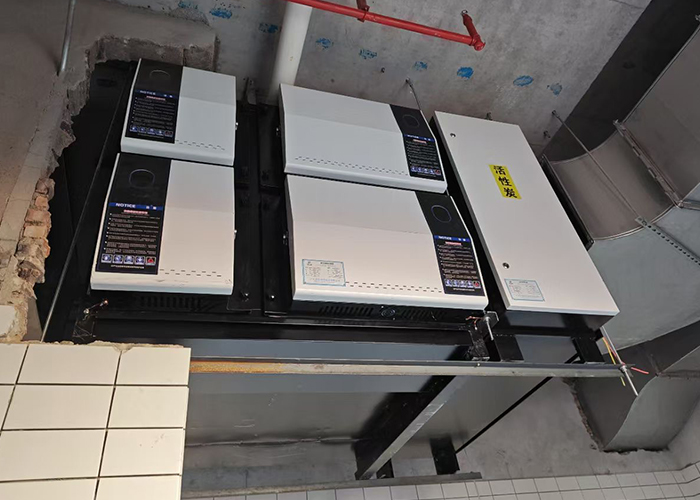
To diagnose and resolve hood air cleaner noises, follow these steps:
- Inspect filters: Remove and visually check for grease buildup or debris. Replace filters if they appear clogged or damaged.
- Examine motor components: Listen for grinding or screeching near the motor housing. Check bearings for wear and lubricate if recommended by the manufacturer.
- Verify secure mounting: Ensure all screws, bolts, and brackets are tightened. Use a vibrationdampening pad if the unit is mounted on a hard surface.
- Check ductwork alignment: Misaligned ducts can cause airflow turbulence, leading to rattling. Adjust connections to ensure smooth airflow.
- Consult a professional: If noises persist after basic checks, contact a certified technician to inspect internal components like fans or electrical systems.
- Ignoring filter maintenance: Clogged filters account for 60% of noise complaints. Schedule monthly cleanings or replacements.
- Using incorrect filter types: Noncompatible filters restrict airflow, straining the motor. Always use manufacturerrecommended parts.
- DIY repairs without expertise: Opening the motor housing or adjusting internal components without training can void warranties and worsen issues.
- Overlooking ductwork design: Poorly designed ducts create turbulence, increasing noise. Consult a professional during installation.
Guanglan Environmental Protection offers onsite diagnostics for commercial clients, ensuring accurate identification of noise sources and costeffective repairs.
When to Replace Your Hood Air Cleaner
Persistent noises despite repairs may indicate the need for a replacement. Consider upgrading if your unit is over 10 years old, requires frequent repairs, or fails to meet local air quality regulations. Modern hood air cleaners from Guanglan Environmental Protection feature energyefficient motors, selfcleaning filters, and noisereducing designs, making them ideal for restaurants, industrial kitchens, and food processing facilities.
For instance, a bakery in Texas reduced operational noise by 40% after switching to a Guanglan model with vibrationisolated motor mounts and acoustic insulation.
Avoid These Common Mistakes
Many noise issues stem from preventable errors:
Guanglan Environmental Protection provides free maintenance guides and training for clients to minimize these risks.
About Hood Air Cleaner Unusual Noise: Common Questions
Question: Can a noisy hood air cleaner affect indoor air quality?Answer: Yes. Unusual noises often indicate reduced efficiency, allowing grease, smoke, or odors to escape into the kitchen. Regular maintenance prevents this.
Question: How often should I inspect my hood air cleaner for noise issues?Answer: Perform visual checks weekly and listen for changes during operation. Schedule professional inspections annually or after major repairs.
Question: Are Guanglan Environmental Protection’s hood air cleaners quieter than competitors?Answer: Yes. Our models use advanced motor insulation and aerodynamic designs to reduce noise by up to 50% compared to standard units.
Choosing the Right Hood Air Cleaner Manufacturer
Selecting a reliable manufacturer is critical for longterm performance. Guanglan Environmental Protection stands out with 20+ years of industry experience, ISOcertified production facilities, and 24/7 customer support. Our products comply with NFPA 96 and local air quality standards, ensuring safety and compliance. For customized solutions, our engineers collaborate with clients to design systems tailored to their specific needs.
If your hood air cleaner is making unusual noises, act promptly to avoid costly repairs or replacements. Contact Guanglan Environmental Protection today for a free consultation and expert assistance in resolving your ventilation challenges.
 Related tags:
Recommend
Contact Us
National hotline
139-2378-3494
Company:Shenzhen Guanglan Environmental Protection Technology Co., Ltd
Address:101, Zone B, Houting Third Industrial Zone, Shajing Street, Bao'an District, Shenzhen City, Guangdong Province
Hot News
- Companies Manufacturing Oil Fume Purifiers
- Hood Air Cleaner Unusual Noise: Causes and Checks
- Air outlet size of oil fume purifier
- Oil Fume Purifiers for Sale: Finding Available Equipment
- Complete set of restaurant exhaust fan and purifier
- Canteen Cooking Fume Removal Equipment
- Range hood purifier for catering
- How high should the range hood be installed
- Yueyang hotel fume purifier

 HOME
 Product
 Case
 Contact