
 139-2378-3494

Canteen Cooking Fume Removal Equipment
Author:admin Date:2026-10-22 14:43:46
Canteen cooking fume removal equipment is essential for maintaining air quality and compliance with health regulations in European and American food service settings. Key considerations include selecting certified systems, ensuring proper installation, and balancing initial costs with longterm efficiency. For tailored solutions, Guanglan Environmental Protection offers highperformance fume extraction systems designed for Western canteens, with transparent pricing and endtoend support.
Why Canteen Fume Removal Matters in Europe and the U.S.
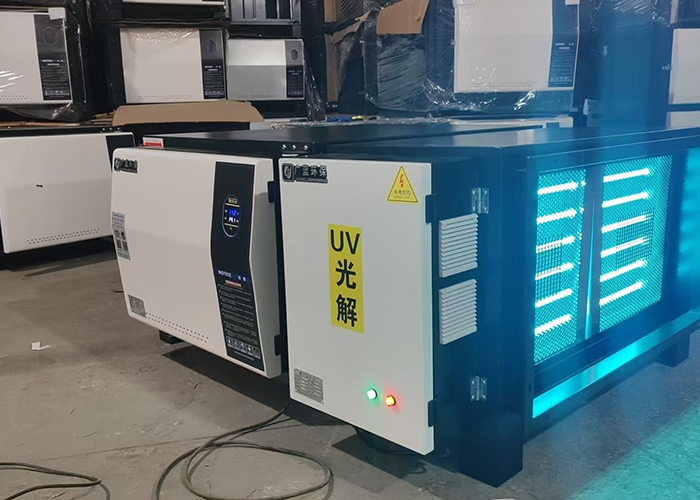
Commercial kitchens in Europe and North America face strict air quality regulations, including the EU’s Ecodesign Directive and the U.S. EPA’s National Ambient Air Quality Standards. Cooking fumes contain particulate matter (PM2.5), volatile organic compounds (VOCs), and grease particles that can trigger respiratory issues, violate fire safety codes, and damage kitchen infrastructure. A 2025 study by the European Commission found that 68% of canteens without proper fume extraction exceeded permissible PM2.5 levels, risking fines and operational shutdowns. Effective systems reduce these risks while improving staff comfort and customer satisfaction.
Key Components of HighPerformance Fume Removal Systems
Modern canteen fume removal equipment integrates three core technologies:
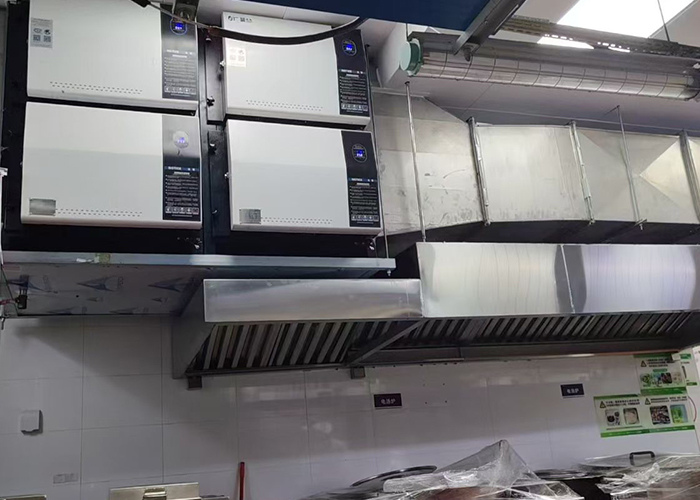
- Electrostatic Precipitators (ESPs): Use electrical charges to capture 95%+ of grease particles, ideal for highvolume kitchens.
- UVC Light Purification: Neutralizes VOCs and odors through photochemical reactions, complying with California’s CARB standards.
- VariableSpeed Fans: Adjust airflow based on cooking intensity, cutting energy costs by up to 40% compared to fixedspeed models.
- Calculate CFM Requirements: Multiply kitchen volume (ft³) by 15–20 air changes per hour. A 2,000 ft³ canteen needs 30,000–40,000 CFM.
- Verify Certifications: Look for NSF/ANSI 51 (food safety), UL 762 (grease filters), and EN 1822 (HEPA filtration) compliance.
- Assess Maintenance Needs: Opt for selfcleaning ESP units to reduce labor costs by 60% annually.
- Compare Total Cost of Ownership: A $8,500 system with 85% efficiency may cost 3× more in energy and filters over 5 years than a $12,000 95% efficient model.
For example, Guanglan Environmental Protection’s GLES900 series combines ESP and UVC technologies, achieving 99.7% filtration efficiency while operating at ≤55 dB—meeting OSHA’s workplace noise limits.
How to Choose the Right System for Your Canteen
Avoid overspending or underperforming with this 4step framework:
Installation Timeline and Cost Breakdown
Typical projects follow this schedule:
| Phase | Duration | Cost Range (USD) |
|---|---|---|
| Site Assessment | 1–3 days | $300–$800 |
| Ductwork Modification | 3–7 days | $2,500–$6,000 |
| Equipment Installation | 2–4 days | $1,200–$3,500 |
| Commissioning & Testing | 1 day | $500–$1,000 |
 Related tags:
Recommend
Contact Us
National hotline
139-2378-3494
Company:Shenzhen Guanglan Environmental Protection Technology Co., Ltd
Address:101, Zone B, Houting Third Industrial Zone, Shajing Street, Bao'an District, Shenzhen City, Guangdong Province

 HOME
 Product
 Case
 Contact